


Hair Transplant in Dubai for Men & Women | What to Expect
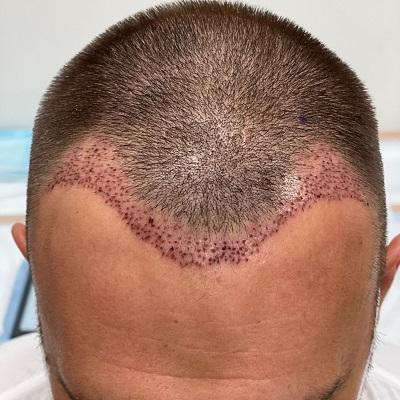
Hair plays an important role in how we see ourselves. When hair begins to thin, the hairline changes, or bald patches become noticeable, it can affect confidence and everyday styling choices. Hair loss can happen to both men and women, and its causes and patterns can vary significantly from one person to another.
Modern hair restoration has made it possible to address selected forms of permanent hair loss by transferring healthy hair follicles to areas where additional coverage is needed. Hair Transplant in Dubai is an option that many people explore when they want a longer-term approach to improving hair density and restoring areas affected by hair loss.
A successful hair transplant is not simply about moving hair from one part of the scalp to another. It involves careful assessment, hairline planning, donor-area evaluation, graft preparation, precise placement, and appropriate aftercare. Understanding each stage can make the treatment journey easier and help you develop realistic expectations.
What Is a Hair Transplant?
A hair transplant is a procedure in which healthy hair follicles are taken from a suitable donor area and transplanted into areas experiencing hair thinning or loss.
The donor area is usually selected because its follicles have characteristics that make them suitable for transplantation. Depending on the person's hair-loss pattern and treatment plan, transplanted follicles may be used to improve the hairline, frontal scalp, crown, or other areas with reduced density.
The purpose is to create a natural-looking distribution of hair rather than simply placing the maximum possible number of grafts.
Can Both Men and Women Have Hair Transplants?
Hair transplantation can be considered for both men and women, but the pattern of hair loss is often different.
Hair Transplants for Men
Men commonly experience recession around the temples, thinning at the frontal hairline, or reduced density around the crown. In some cases, hair loss can gradually progress over time.
Treatment planning may therefore involve considering the current hairline as well as possible future changes.
Hair Transplants for Women
Women may experience diffuse thinning across the scalp, widening of the central part, or localized thinning. Because female hair loss can have many potential causes, a thorough assessment is particularly important.
Not every woman with thinning hair will be an appropriate candidate for transplantation. The underlying pattern and availability of suitable donor follicles need to be evaluated.
Why Is Individual Assessment Important?
There is no single hair transplant plan that works for everyone. Hair texture, density, scalp condition, donor supply, hair-loss pattern, and facial proportions can all influence the approach.
During an assessment, the treatment team may examine:
- The current hairline
- Donor-area density
- Hair shaft thickness
- Existing thinning
- Scalp condition
- Previous treatments
- Family history of hair loss
- Expected future hair loss
- Desired level of coverage
This information helps establish realistic expectations and determine whether transplantation is appropriate.
Understanding Hair Transplant Techniques
Different techniques can be used to harvest and transplant follicles. The most suitable option depends on the individual's needs.
FUE Hair Transplant
Follicular Unit Extraction, commonly called FUE, involves harvesting individual follicular units from the donor area.
The grafts are then prepared and placed into recipient sites. Because follicles are extracted individually, the procedure can allow detailed donor management and precise placement.
FUT Hair Transplant
Follicular Unit Transplantation, or FUT, involves removing a strip of donor tissue and separating it into follicular units for transplantation.
The technique may be appropriate in selected cases depending on donor characteristics and the overall restoration plan.
Neither technique should automatically be considered the best choice for everyone. The appropriate method depends on individual circumstances.
How Is a Natural Hairline Created?
The hairline is one of the most visible parts of a hair transplant. Creating a natural result requires careful attention to hair direction, angle, density, and transition.
A natural hairline is rarely perfectly straight. Small irregularities and gradual changes in density can help reproduce the appearance of naturally growing hair.
The design may also take facial proportions and age into consideration. Creating a hairline that is excessively low may use a large amount of donor hair and may not provide the most appropriate long-term result.
What Happens Before the Procedure?
Preparation usually begins with a consultation. During this stage, your hair-loss pattern and expectations can be discussed.
You may be asked about your medical history, medications, allergies, previous procedures, and any treatments you have used for hair loss.
Depending on your individual situation, you may receive instructions concerning:
- Medication use
- Smoking
- Alcohol consumption
- Hair products
- Scalp care
- Physical activity
- Sun exposure
Following the preparation instructions can help support a smooth treatment experience.
What Happens During Hair Transplantation?
The procedure generally involves several carefully controlled stages.
Step 1: Hairline and Treatment Planning
The areas requiring additional coverage are identified. The hairline and graft distribution are planned according to the patient's individual characteristics.
Step 2: Donor Area Preparation
The donor area is prepared for follicle extraction according to the selected technique.
Step 3: Follicle Extraction
Suitable follicular units are carefully collected from the donor area.
Step 4: Graft Preparation
The harvested grafts are prepared for implantation. Careful handling is important because the follicles need to remain viable.
Step 5: Recipient Site Preparation
Tiny recipient openings are created in the thinning areas. Their direction and angle are considered to help match natural hair growth.
Step 6: Graft Placement
The prepared grafts are placed into the recipient areas according to the planned design.
The entire process requires precision because the final appearance depends on the quality of planning and placement as well as the available donor supply.
Is Hair Transplantation Uncomfortable?
Most hair transplant procedures use local anesthesia to minimize discomfort during treatment.
After the procedure, some people may experience temporary tenderness, tightness, redness, or swelling. These effects generally improve during the recovery period.
Everyone experiences recovery differently, so it is important to follow the individual aftercare instructions provided after treatment.
What Should You Expect After a Hair Transplant?
The scalp may look different immediately after treatment. Small scabs can form around transplanted grafts, while mild redness or swelling may occur.
During the initial healing stage, you may be instructed to:
- Avoid scratching the scalp
- Follow a specific washing routine
- Sleep according to the recommended position
- Avoid strenuous activities temporarily
- Protect the scalp from excessive sun exposure
- Avoid using unapproved hair products
The transplanted area should be treated gently while the scalp heals.
Does Transplanted Hair Grow Immediately?
No. Hair transplantation requires patience because hair growth follows a natural cycle.
Some transplanted hairs may shed during the early stages. This can be part of the normal process after transplantation. The follicles can remain in place while new hair growth develops later.
New growth typically becomes noticeable gradually. Hair density continues to improve as the transplanted follicles mature.
Because everyone has a different growth cycle, the timeline can vary.
What Are the Benefits of Hair Transplantation?
For suitable candidates, hair transplantation can provide several potential benefits.
Natural-Looking Hair Growth
Using the person's own follicles allows transplanted hair to blend with existing hair when appropriately placed.
Improved Hairline
A carefully designed transplant can help improve the appearance of a receding or uneven hairline.
Better Coverage
Strategic graft placement can make thinning or bald areas appear fuller.
Long-Term Improvement
Suitable transplanted follicles can continue producing hair for many years.
Styling Confidence
Once the transplanted hair has grown and matured, people can often style it according to their preferences.
How Many Grafts Are Needed?
There is no standard graft number for every patient. The required amount depends on the size of the treatment area, hair density, hair characteristics, donor availability, and desired coverage.
Someone looking to restore a small receding hairline may need fewer grafts than someone trying to improve extensive thinning across the frontal scalp and crown.
Using more grafts does not automatically mean a better result. Efficient donor management is important because the donor supply is limited.
Can Hair Transplants Prevent Future Hair Loss?
A hair transplant moves existing follicles; it does not necessarily stop the natural progression of hair loss in untreated areas.
This is particularly important for people who are experiencing ongoing pattern hair loss. A long-term restoration strategy may therefore consider both transplanted and existing hair.
Your treatment provider can discuss available approaches for maintaining the surrounding hair based on your individual situation.
How Can You Prepare for Better Results?
Good preparation starts with realistic expectations. Before treatment, understand what transplantation can and cannot achieve.
It can be helpful to discuss your desired hairline, preferred level of density, recovery requirements, and long-term expectations during consultation.
You should also provide accurate information about your health history and medications. Following pre-treatment instructions carefully can help reduce avoidable complications.
What Should You Look for When Choosing a Hair Restoration Provider?
When exploring Hair Transplant in Dubai, do not focus only on advertisements or promises of exceptionally high density.
Instead, consider:
- Quality of the consultation
- Individualized treatment planning
- Appropriate technique selection
- Donor-area management
- Hairline design
- Graft-handling practices
- Aftercare support
- Realistic communication about results
A professional consultation should give you a clear understanding of what may be achievable based on your specific hair characteristics.
Is Hair Transplant in Dubai Suitable for Everyone?
No. Hair transplantation is not suitable for every person experiencing hair loss.
Individuals with insufficient donor hair, certain types of active hair loss, or unrealistic expectations may require alternative approaches or further assessment before transplantation.
The underlying cause of hair loss should be considered before proceeding with any restoration procedure.
Frequently Asked Questions
1. Can women undergo Hair Transplant in Dubai?
Yes, some women can be suitable candidates. However, the cause and pattern of hair thinning should be evaluated carefully before transplantation.
2. How long does it take to see hair growth?
Hair growth is gradual. Initial changes can take several months, while more mature results generally require additional time.
3. Will transplanted hair look natural?
With appropriate hairline design, graft selection, and placement, transplanted hair can be designed to blend naturally with existing hair.
4. Can transplanted hair be styled?
Once the transplanted hair has fully grown and the scalp has healed, it can generally be treated and styled similarly to natural hair.
5. Does everyone need the same number of grafts?
No. Graft requirements vary according to the size of the treatment area, donor density, hair characteristics, and desired coverage.
Conclusion
Hair loss can affect people differently, but modern hair restoration offers personalized ways to improve thinning areas and rebuild the appearance of a fuller hairline. Hair Transplant in Dubai can be a suitable option for selected men and women when the procedure is carefully planned around their individual hair-loss pattern, donor supply, facial proportions, and long-term goals. Understanding the process, recovery, expected growth, and limitations allows you to approach treatment with realistic expectations. Tajmeels Clinic can be considered when researching personalized hair restoration services and exploring suitable options for your individual needs.

 English
 Arabic
 French
 Spanish
 Portuguese
 Deutsch
 Dutch
Dutch
 Italiano
 Russian
 Romaian
 Portuguese (Brazil)
 Greek
Greek