


Fat Transfer Surgery in Dubai | Popular Cosmetic Treatment
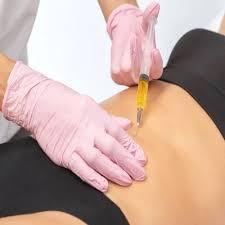
Modern cosmetic surgery offers many ways to improve body shape, but people increasingly look for options that provide balanced and natural-looking results. Fat Transfer Surgery in Dubai is one such approach because it uses the patient's own fat to enhance selected areas of the body.
Unlike procedures that only remove unwanted fat, fat transfer combines contouring with volume enhancement. Fat can be collected from an area where excess fullness is present and then carefully transferred to another area where additional volume may improve overall proportions.
This approach can appeal to people who want a more customized treatment rather than a one-size-fits-all solution. However, fat transfer is still a surgical procedure, so understanding the process, benefits, limitations, recovery, and suitability is important before making a decision.
What Is Fat Transfer Surgery?
Fat transfer surgery, also called fat grafting, involves removing fat from one part of the body and transferring suitable fat cells to another area.
The treatment generally involves three important stages:
- Fat harvesting: Fat is removed from a suitable donor area through liposuction.
- Fat processing: The harvested material is processed to prepare appropriate fat for grafting.
- Fat transfer: The prepared fat is carefully placed into the selected treatment area.
The objective is to create improved contours while maintaining proportions that suit the patient's natural body structure.
Why Is Fat Transfer Becoming Popular?
One reason people consider fat transfer is that it can address two cosmetic concerns within one treatment plan. Excess fat can be reduced from a selected donor area, while another area can receive additional volume.
For example, a person may have unwanted fullness around the abdomen while wanting greater definition or volume around the hips or buttocks. Fat transfer may allow both concerns to be addressed as part of an individualized plan.
Another attractive feature is that the procedure uses the patient's own fat. Once the transferred fat successfully settles, it can feel like natural body tissue.
Natural-Looking Body Enhancement
Many patients prefer cosmetic results that complement their existing appearance. Excessive volume is not always necessary to create an attractive contour.
Fat transfer allows enhancement to be planned according to existing body proportions. The amount and placement of fat can be considered carefully to create a smoother transition between different areas.
The final result varies from person to person because factors such as anatomy, skin quality, available fat, healing, and lifestyle can influence the outcome.
Common Areas for Fat Transfer
Depending on individual suitability, fat transfer may be considered for several areas.
Buttocks
Buttock enhancement is one of the well-known applications of fat grafting. The procedure can add volume and help improve the overall contour of the buttocks.
Hips
Fat can sometimes be transferred to the hip area to create smoother transitions between the waist and lower body.
Breasts
Some patients may consider fat transfer for breast contour enhancement. Suitability depends on individual anatomy and the amount of available donor fat.
Face
Fat grafting can also be used in selected facial areas to restore or enhance volume, although facial fat transfer has different planning and considerations from body contouring.
Who May Be a Suitable Candidate?
Fat transfer is not appropriate for everyone. A suitable candidate generally needs enough donor fat for harvesting and should have realistic expectations about the amount of enhancement possible.
Overall health is also an important consideration. During consultation, factors such as medical history, previous procedures, medications, smoking habits, weight stability, and healing considerations may be reviewed.
People who want significant weight loss should understand that fat transfer is primarily a body-contouring procedure, not a weight-loss treatment.
The Importance of Stable Weight
Maintaining a relatively stable weight can be helpful when considering fat transfer.
Transferred fat behaves like other fat tissue in the body. Significant weight gain can increase the size of fat cells, while substantial weight loss can reduce their volume.
For this reason, patients should ideally discuss their current weight and future weight-management goals during consultation.
What Happens During Recovery?
Recovery is an important part of the treatment process. Patients may experience swelling, bruising, tenderness, and temporary discomfort in both the donor and recipient areas.
The exact recovery experience varies depending on the amount of fat harvested, the treatment areas, and individual healing.
Patients may receive instructions about:
- Rest and physical activity
- Sleeping or sitting positions
- Compression garments
- Wound care
- Bathing
- Returning to work
- Resuming exercise
Following these instructions carefully can help support the healing process.
When Will Results Become Visible?
Some changes can be noticed shortly after surgery, but the early appearance should not be considered the final result.
Swelling can temporarily make treated areas look fuller. During healing, some of the transferred fat may also be naturally reabsorbed by the body.
As swelling decreases and the tissues settle, the contours become easier to evaluate. Patience is therefore important during the recovery period.
Benefits of Fat Transfer Surgery
For suitable candidates, potential benefits may include:
- Personalized body contouring
- Reduction of localized fat
- Enhancement of selected areas
- Use of the patient's own tissue
- Natural-feeling volume after healing
- Improved body proportions
The benefits vary from person to person, and no cosmetic procedure can guarantee an identical result for every patient.
Things to Consider Before Treatment
Before choosing Fat Transfer Surgery in Dubai, patients should understand both the advantages and limitations of the procedure.
It is helpful to discuss your desired outcome honestly during consultation rather than focusing only on photographs of other people. Every body has different proportions and different amounts of available donor fat.
Patients should also understand that surgery involves potential risks and requires an appropriate recovery period.
Choosing a Suitable Clinic
Selecting a suitable clinic is an important part of the decision-making process. Patients should consider professional qualifications, surgical safety standards, facility quality, consultation procedures, and postoperative support.
A good consultation should provide clear information about candidacy, treatment planning, recovery, possible risks, and realistic expectations.
For people exploring Fat Transfer Surgery in Dubai, Tajmeels Clinic can be considered as an option for discussing personalized fat-transfer and body-contouring goals.
How to Prepare for Fat Transfer Surgery
Preparation can help make the treatment journey more organized. Patients should provide complete information about their medical history and any medications, supplements, or allergies.
It can also be useful to arrange transportation, prepare a comfortable recovery space, organize time away from demanding activities, and follow all preoperative instructions.
Patients should never independently stop prescribed medication unless specifically advised by an appropriate healthcare professional.
Maintaining Your Results
Once recovery is complete and normal activities are approved, maintaining a healthy lifestyle can support general wellbeing and body contours.
Avoiding major weight fluctuations may also help preserve the appearance of the treated areas.
Regular activity and balanced nutrition can contribute to overall health, but patients should follow professional guidance about when exercise can safely resume.
Frequently Asked Questions
Is Fat Transfer Surgery the Same as Liposuction?
No. Liposuction primarily removes unwanted fat, while fat transfer combines fat removal with transferring suitable fat to another area.
Can Fat Transfer Create Permanent Results?
Some transferred fat may be naturally absorbed. The fat that successfully survives can remain long term, although future weight changes can affect its volume.
Is Fat Transfer Suitable for Everyone?
No. Suitability depends on factors such as available donor fat, overall health, anatomy, expectations, and treatment goals.
How Long Does Recovery Take?
Recovery varies between individuals and depends on the treatment areas and extent of surgery. A personalized recovery plan should be discussed during consultation.
Can I Exercise After Fat Transfer?
Patients generally need to avoid strenuous activities during the early healing period. Exercise should be resumed according to professional postoperative guidance.
Conclusion
Fat Transfer Surgery in Dubai has become an appealing cosmetic option because it combines localized fat reduction with targeted enhancement using the patient's own tissue. For suitable candidates, this approach can help create personalized contours while maintaining a natural-looking appearance.
However, the procedure is still surgery and should be approached with careful planning, realistic expectations, and proper aftercare. Understanding candidacy, recovery, fat retention, weight stability, and potential risks is essential before making a decision.
If you are considering body contouring, Tajmeels Clinic can be considered when exploring Fat Transfer Surgery in Dubai and discussing whether this personalized approach matches your aesthetic goals.

 Arabic
 French
 Spanish
 Portuguese
 Deutsch
 Turkish
 Dutch
Dutch
 Italiano
 Russian
 Romaian
 Portuguese (Brazil)
 Greek
Greek