


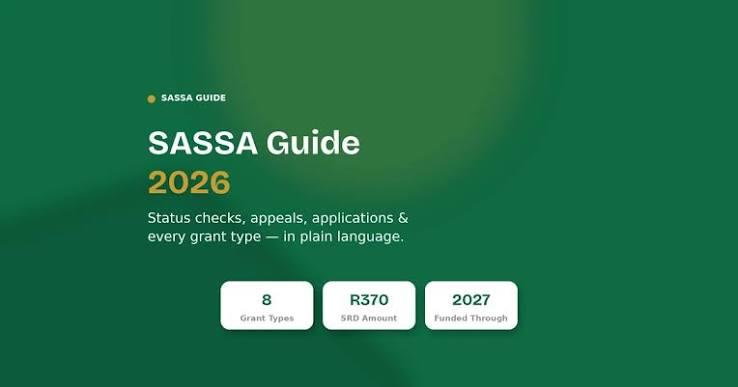
The South African Social Security Agency (SASSA) plays a vital role in the lives of millions of South Africans, providing essential financial support through various social grants. For over 26.5 million people, these grants are a lifeline, helping to cover basic needs and provide a measure of stability. However, the process of applying, checking your status, understanding payment dates, and navigating appeals can often feel complex and overwhelming. This guide aims to demystify the SASSA system, providing clear, practical information to help you understand your rights and access the support you need. For those seeking reliable, up-to-date information in plain language, sassaguide serves as a valuable resource, offering straightforward explanations and directing users to official channels without any fees or requests for personal information.
Understanding the Social Grants System
SASSA administers several types of grants, each designed for specific groups of people facing financial hardship. Knowing which grant you may be eligible for is the first crucial step.
The Types of Grants Available
The system offers a range of support, including grants for older persons, people with disabilities, and caregivers of children. Here are the primary grant types:
-
SRD (Social Relief of Distress) Grant: This is a temporary form of support for individuals in dire need who do not receive any other form of social grant or income. The current amount is R370 per month, and this grant has been confirmed to run through March 2027.
-
Older Persons Grant: For citizens aged 60 and above who meet the means test requirements. The amount is higher for those over 75.
-
Disability Grant: For individuals aged 18 to 59 who are unable to work due to a mental or physical disability.
-
Child Support Grant: For caregivers of children under the age of 18 who meet the income requirements.
-
Foster Child Grant: For foster parents caring for a child placed in their custody by a court.
-
Care Dependency Grant: For caregivers of a child with a severe disability who requires full-time, dedicated care.
Each grant has its own specific eligibility criteria, which typically include a means test (an assessment of your income and assets) and, for some grants, proof of citizenship or a valid residence permit. The Foster Child Grant is a notable exception to the means test.
How to Check Your SASSA Status
Once you have applied, you will want to know the progress of your application. There are several official and secure ways to check your status without having to visit a SASSA office in person.
Official Channels for Status Checks
It is crucial to only use the official channels provided by SASSA. Here are the primary methods:
-
Online Portal: The quickest way is to check your status online through the official SASSA portal. You will need your ID number and the phone number you used when applying to log in.
-
USSD Code: You can check your status from any cellphone by dialing the USSD code
*120*3210#. This service works without requiring mobile data. -
WhatsApp: SASSA also offers an automated service via WhatsApp. You can send a message to the number
082 046 8553. -
Toll-Free Call Center: You can call the national toll-free number at
0800 60 10 11. The call center is open Monday to Friday from 08:00 to 16:00.
What to Do If Your Status Shows "Pending" or "Declined"
A "pending" status simply means that SASSA is still processing your application. This can take some time, particularly during periods of high demand. It is a good idea to check back periodically. If your application is "declined," do not be discouraged. The notice will usually include a reason. You have the right to appeal the decision. The first step is to understand the specific reason for the decline, as this will guide you on the next steps. You can find detailed guidance on this in the next section.
What to Do When Your Grant Application Is Declined
Receiving a decline notice can be disheartening, but it is important to understand that it does not have to be the final word. You have the right to appeal the decision.
The Appeals Process
The appeals process is your opportunity to provide additional information or correct errors that may have led to the initial decline. Here’s a general overview of the process:
-
Understand the Reason: The most critical step is to read the decline notice carefully. It will state the specific reason for the refusal, such as a failed identity verification, an income exceeding the threshold, or missing documentation.
-
Gather Your Evidence: Once you know the reason, you can gather the correct documents to support your appeal. This might include proof of income (or lack thereof), an updated identity document, or banking details.
-
Submit Your Appeal: You can submit your appeal through the official SASSA online portal or by visiting a SASSA office in person. It is often advised to submit your appeal as soon as possible, as there may be a time limit.
-
Await the Outcome: After submission, your appeal will be reviewed. You can track its status using the same methods as your initial application.
The entire process can be complex, and many people find it helpful to use a detailed guide that covers every decline reason and provides ready-to-use templates for appeal letters. These templates can help ensure you include all necessary information and wording required for a successful appeal.
Understanding Grant Payment Dates
Knowing when your grant is deposited is crucial for financial planning. The schedule differs between permanent grants and the temporary SRD grant.
Payment Schedules for 2026
SASSA publishes a detailed payment calendar each year. It is important to note that these dates can shift if they fall on a weekend or public holiday.
-
Permanent Grants (Older Persons, Disability, Child Support, etc.): These grants are generally paid out in the first few days of each month. The payment order is usually staggered, with Older Persons grants being paid first, followed by Disability grants, and finally Child Support grants.
-
SRD Grant: The SRD grant is paid out in batches during the last week of the month. If your payment is not in your account on the first possible day, it may arrive in a later batch. It is important to be patient and not rush to expensive loan sharks, as the grant is usually paid out within the designated week.
Common Questions and Concerns
Navigating the SASSA system often brings up the same questions. Here are some of the most common ones:
-
Is the SASSA Guide affiliated with SASSA? No. It is an independent information platform created to help people understand the system.
-
Do I have to pay for SASSA services? No. All SASSA services are completely free. Never pay anyone who claims they can help you secure a grant or speed up your application.
-
What is the monthly SRD grant amount? The SRD grant is R370 per month. This has been confirmed to continue through March 2027.
-
How do I apply for a grant? SRD applications are done online. Most other grants require an in-person visit to a SASSA office. Check the official website for specific application requirements.
-
My identity verification failed. What should I do? This is a common issue. The problem often lies in a mismatch between your ID number and the phone number registered with the Department of Home Affairs. You may need to visit a SASSA office in person to resolve this.
-
Should I take a loan while waiting for my grant? It is highly advisable not to. Informal lenders often charge very high interest rates, and a delayed grant is a temporary problem, whereas debt is long-lasting. Contact SASSA directly to resolve the issue.
In conclusion, while the SASSA system can be complex, understanding the different grant types, knowing how to check your status, and being aware of your rights to appeal can make a significant difference. Always rely on official and trusted sources for information and never share your personal banking details or pay anyone for assistance. For South Africans seeking a clear, independent resource to navigate these processes, SASSA Guide offers a valuable starting point, connecting users with the knowledge they need to access the support they are entitled to.

 English
 Arabic
 French
 Spanish
 Portuguese
 Deutsch
 Turkish
 Dutch
Dutch
 Russian
 Romaian
 Portuguese (Brazil)
 Greek
Greek