


What Questions Should You Ask a Gold Buyer Before Selling?
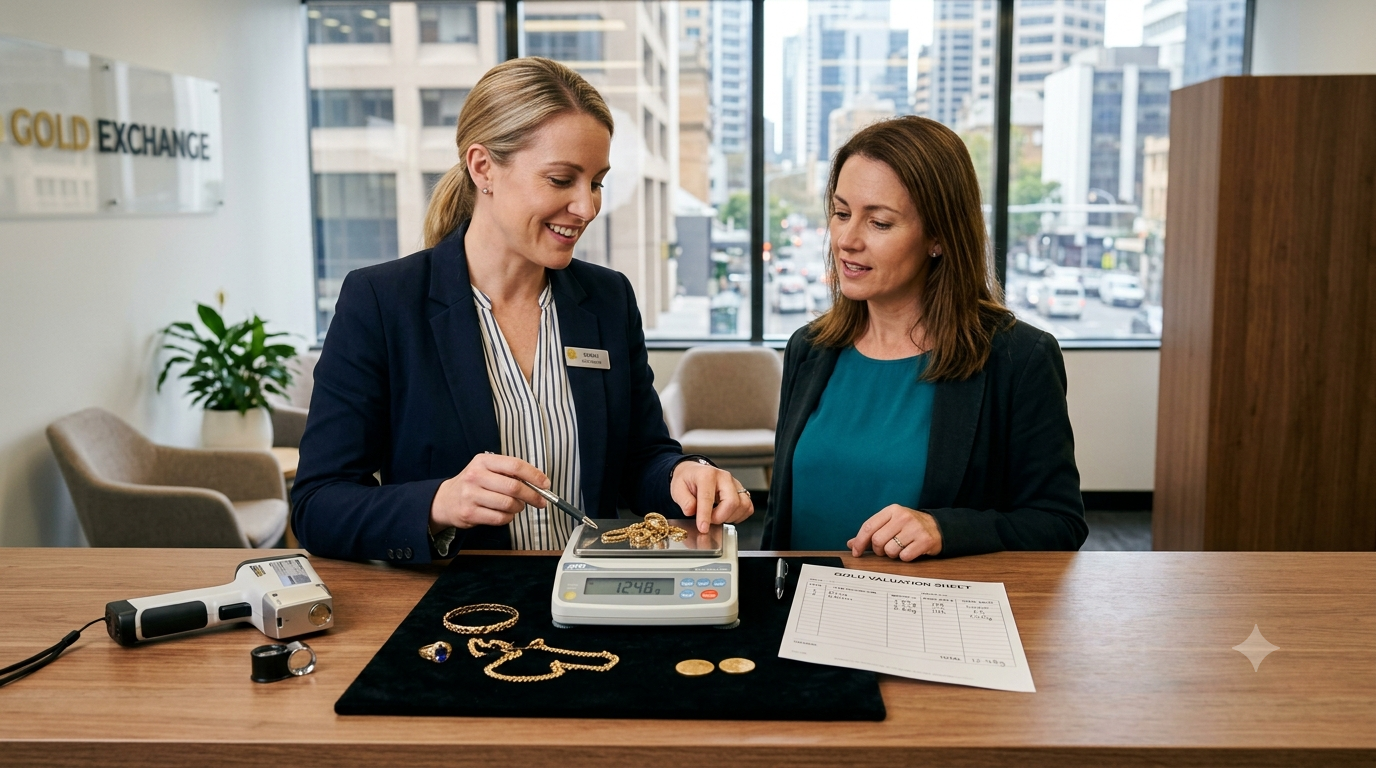
Selling gold can look simple. You take your old jewellery, coins, or other gold items to a gold buyer, get a price, and decide whether to sell. But the process is not always that simple.
Two buyers can look at the same gold and give you very different offers. In some cases, the difference can be hundreds of dollars. A quick quote may sound attractive, but it does not always tell you how the buyer reached that number.
The final price can depend on the gold purity, weight, current gold price, testing method, fees, and buyer margin. This is why asking the right questions before selling can help you understand what your gold is really worth.
Before accepting an offer, ask about pricing, purity, testing, deductions, payment, and the buyer's credentials. A few extra questions can help you avoid a poor deal.
Ask How the Buyer Calculates Your Offer
Which Gold Price Are You Using Today?
One of the first questions to ask is:
“Which gold price are you using to calculate my offer?”
A buyer may use a live market price, a daily benchmark, or their own buying rate. The international gold market uses recognised benchmarks, including the LBMA Gold Price, which is set twice each business day in London.
However, the market price is not the same as the amount you will receive for your jewellery.
Ask the buyer:
- Is this based on today's gold price?
- When was the price last updated?
- What price per gram are you using?
- Is the price based on pure gold or the item's actual purity?
Spot Price, Melt Value and Final Offer: What Is the Difference?
These three terms are important.
Spot price: The current market price used as a reference for gold.
Melt value: The estimated value of the actual pure gold contained in your item before the buyer's deductions and margin.
Final purchase offer: The amount the buyer is actually willing to pay you.
The published market price is normally quoted for gold in a particular market form and unit, so it should not be confused with the value of a small piece of jewellery.
Before visiting a buyer, check a trusted source for the current gold price. This gives you a useful starting point when reviewing an offer.
What Purity and Weight Did You Use?
Ask the buyer to show you exactly how they measured your gold.
You should be able to see:
- The item's weight
- The karat or fineness
- The purity percentage
- The price per gram
- Any weight deducted before pricing
Pure gold is 24 karats. Common jewellery grades include:
- 18K: 75% gold
- 14K: 58.3% gold
- 10K: 41.7% gold
- 22K: About 91.7% gold
- 999: About 99.9% gold
Also ask whether stones, clasps, springs, or other non-gold parts are included in the weight.
For example, a 10-gram 14K ring contains about 5.83 grams of pure gold, before considering any stones or non-gold components.
A good buyer should explain this calculation instead of simply giving you one final number.
What Percentage of the Gold's Value Are You Paying?
This is one of the most useful questions you can ask.
Instead of only asking, “How much will you pay?”, ask:
“What percentage of the estimated melt value are you paying me?”
For a simple estimate:
Gold weight × purity × current gold price = estimated melt value
Then:
Estimated melt value − fees or deductions = final offer
Ask the buyer to show you this calculation. If they advertise that they pay the “highest price,” ask them to explain exactly what that means.
A dollar offer is easier to compare when you know how it was calculated.
Ask About Testing, Fees and Deductions
How Will You Test the Gold?
Gold buyers may use different testing methods, including acid testing, electronic testing, specific gravity testing, or X-ray fluorescence (XRF).
XRF can be useful because it can analyse the metal composition without physically cutting or melting the item. However, you should still ask what test is being used and whether it can mark or damage your jewellery.
Ask:
- What testing method will you use?
- Can I watch the test?
- Will the test damage my item?
- Can I see the result for each piece?
If you have several items with different karat marks, ask the buyer to test them separately. A single mixed test may not give you enough information about each item.
What Fees or Deductions Will Come Out of My Payment?
Never assume the first price you hear is the final amount.
Ask whether the buyer charges for:
- Refining
- Testing
- Stone removal
- Melting
- Handling
- Shipping
- Insurance
- Other services
Also ask whether each fee is a fixed amount or a percentage.
Most importantly, ask:
“How much will I receive after every deduction?”
A buyer could quote a high gross value and then reduce it with fees. The final payment is what matters.
Are Gems, Coins or Designer Pieces Priced Separately?
Not every gold item should automatically be treated as scrap.
A piece may have additional value because of its:
- Diamonds or gemstones
- Designer brand
- Antique status
- Rare design
- Maker's mark
- Collectible value
- Resale demand
For example, a vintage gold bracelet could be worth more to a specialist jewellery dealer than to a buyer interested mainly in melting the gold.
If you believe an item has special value, consider getting a second opinion from a certified appraiser, jewellery specialist, or relevant coin dealer before accepting a scrap offer.
Ask How the Sale Works From Start to Finish
Will I Receive a Written Offer?
Ask for a written breakdown before accepting the sale.
It should ideally show:
- Item description
- Weight
- Purity
- Price per gram
- Fees or deductions
- Final payment
Also ask whether the offer expires after a certain period.
Before taking your gold to a buyer, photograph each item and record any stamps or markings. Keep copies of paperwork and test results where possible.
When and How Will You Pay Me?
Ask exactly how payment will be made.
Possible methods may include:
- Bank transfer
- Cash
- Cheque
- Other approved payment methods
Also ask when the money will become available.
If you are selling in NSW, remember that second-hand dealers who deal in prescribed goods such as jewellery containing precious metals must follow licensing and record-keeping requirements. NSW Government guidance says licensed dealers must check customer identity and keep transaction records, among other obligations.
NSW also specifically includes jewellery containing precious metals, gemstones, and precious metals within prescribed second-hand goods covered by its licensing system.
Rules can differ between states and locations, so check the relevant government requirements before a large transaction.
What Happens If I Change My Mind?
Do not assume you can automatically cancel a gold sale.
Ask:
- Can I take my item back before processing?
- Is there a cooling-off or return period?
- When will the gold be melted?
- When does ownership transfer?
- Are there cancellation or other fees?
Read the receipt carefully before handing over valuable jewellery.
Ask Questions That Reveal Whether the Buyer Is Trustworthy
Are You Licensed, Bonded or Properly Registered?
Ask the buyer for information about their business registration and any licence that applies to their activities.
For example, in NSW, businesses buying and selling certain prescribed second-hand goods may need a second-hand dealer licence. The NSW Government provides information about these licensing requirements.
You can also check:
- Business details
- Physical address
- Customer reviews
- Consumer complaints
- Government warnings
- Relevant industry memberships
Do not rely only on a professional-looking website. A trustworthy business should be willing to answer reasonable questions about its process.
Can I Watch the Weighing and Testing?
This is another important question.
Ask if you can watch the buyer:
- Weigh your item.
- Check its purity.
- Perform the test.
- Calculate the price.
- Explain the final offer.
If the buyer refuses to explain basic parts of the process, consider getting another quote.
Watch for warning signs such as:
- Pressure to sell immediately
- No written offer
- Unclear fees
- Refusal to explain the weight
- Refusal to show testing
- Claims that you must decide immediately
- Problems returning your item before acceptance
A fair buyer should give you enough information to make an informed decision.
Do You Have a Clear Dispute Process?
Ask what happens if you disagree with the valuation or believe there is an error.
You can ask:
- How are complaints handled?
- Who should I contact?
- Do you have a written complaints process?
- Are you a member of a recognised industry organisation?
Reviews can also help, but look for patterns rather than relying on one positive or negative review.
Compare Offers Without Losing Control of the Sale
How Many Gold Buyers Should You Contact?
Getting two or three offers can give you a much better idea of the market.
Try to compare each buyer using the same information:
| Comparison | Buyer A | Buyer B | Buyer C |
|---|---|---|---|
| Gold value used | $X | $X | $X |
| Fees | $X | $X | $X |
| Final offer | $X | $X | $X |
| Written breakdown | Yes/No | Yes/No | Yes/No |
Do not compare only the headline price. A buyer offering more per gram may still give you less after deductions.
Should You Sell Gold Jewellery as Scrap?
Before accepting a scrap offer, ask:
“Does this item have value beyond its gold content?”
This is especially important for:
- Wedding rings
- Designer jewellery
- Antique pieces
- Luxury watches
- Rare coins
- Signed jewellery
A branded 18K necklace, for example, could have resale value that is higher than its scrap value. A specialist may pay more because they can resell the item rather than simply recover its metal.
What Should You Do Before Accepting?
Take a few minutes to review the offer.
Ask yourself:
- Do I understand the calculation?
- Is the purity clear?
- Is the weight correct?
- Are all fees explained?
- Did I compare other buyers?
- Can I verify the buyer?
- Am I being paid for the item's full potential value?
If you feel rushed, take your item back and get another opinion.
Make Sure the Final Offer Reflects Your Gold's Real Value
The most important question is not simply:
“How much will you pay me?”
A better question is:
“How did you calculate that price?”
Before selling, make sure you understand five things:
- Gold price – What market price is being used?
- Purity and weight – How much pure gold is actually in your item?
- Testing – How was the purity checked?
- Fees – What will be deducted?
- Buyer credentials – Can you verify the business?
A fair gold buyer should be comfortable answering these questions.
Questions to Take With You
Keep this quick list on your phone when visiting a buyer:
- What gold price are you using today?
- What is the purity of each item?
- What is the exact weight?
- Are you deducting stones or non-gold parts?
- What testing method are you using?
- Can I see the test results?
- What percentage of melt value are you paying?
- Are there any refining or service fees?
- What is my final payment after deductions?
- Can I have the offer in writing?
- How and when will I be paid?
- What happens if I change my mind?
- Are you properly licensed or registered where required?
Selling gold does not have to be stressful. The key is to slow down, understand the numbers, and compare offers.
A trustworthy buyer should welcome sensible questions and explain the valuation clearly. If someone pressures you to sell quickly or refuses to explain the price, that is a reason to step back.
A few minutes of research and comparison could protect hundreds of dollars when selling valuable gold.

 English
 Arabic
 French
 Spanish
 Portuguese
 Deutsch
 Turkish
 Dutch
Dutch
 Italiano
 Russian
 Portuguese (Brazil)
 Greek
Greek