


Mental Health Chatbot and DBT Therapy | Understanding Digital Emotional Support
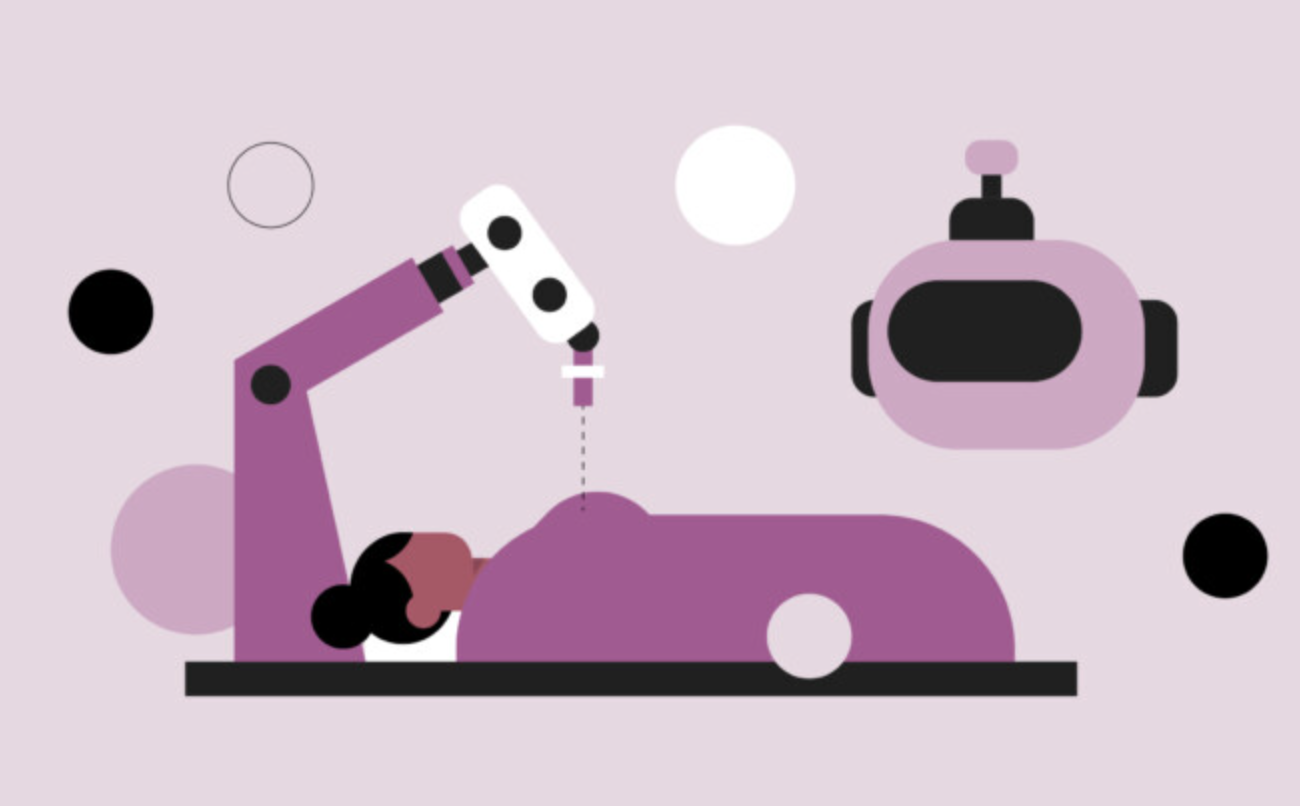
Mental wellness can be affected by stress, overthinking, relationship difficulties, emotional exhaustion, and major life changes. As people look for accessible ways to understand their emotions, digital tools and established therapeutic approaches are becoming part of the broader conversation around mental health.
A mental health chatbot can provide a convenient space for reflection, journaling, and general emotional wellness. DBT therapy, meanwhile, is a structured psychotherapy approach that teaches practical skills for mindfulness, emotional regulation, distress tolerance, and interpersonal effectiveness.
Although they are different, both can help people explore healthier ways of responding to everyday emotional challenges.
What Is a Mental Health Chatbot?
A mental health chatbot is an AI-powered conversational tool designed to interact with users about emotional wellness and general mental health topics.
A person can describe a stressful situation, discuss their feelings, or ask questions about everyday emotional challenges. Depending on the platform, the chatbot may offer reflective questions, journaling prompts, mindfulness exercises, or general self-care suggestions.
For example, someone feeling overwhelmed after a difficult day might describe what happened and use the conversation to organize their thoughts.
A chatbot can support reflection, but it does not have the professional training or clinical judgment of a licensed mental health provider.
What Is DBT Therapy?
DBT therapy, or Dialectical Behavior Therapy, is a structured form of psychotherapy that teaches skills for managing difficult emotions and challenging situations.
DBT commonly focuses on four major areas:
- Mindfulness
- Distress tolerance
- Emotion regulation
- Interpersonal effectiveness
These skills can help people become more aware of their emotional experiences, tolerate difficult moments, regulate strong emotions, and communicate more effectively.
DBT is a professional therapeutic approach and is different from using an AI chatbot.
How Can a Mental Health Chatbot Support Self-Reflection?
A mental health chatbot can give users a convenient place to put their thoughts into words.
For example, a user might explore:
What am I feeling right now?
What triggered this emotion?
What thoughts are connected to it?
What do I need at this moment?
What response might be healthier?
These questions can encourage people to slow down and examine their experiences instead of reacting automatically.
DBT Therapy and Emotional Regulation
One of the core areas of DBT therapy is emotion regulation.
Strong emotions can sometimes feel overwhelming. DBT teaches practical skills that help people identify emotions, understand what influences them, and respond more intentionally.
The purpose is not to eliminate difficult emotions. Instead, DBT focuses on developing healthier ways to experience and manage them.
A chatbot may help someone reflect on an emotional situation, but it does not provide the personalized clinical guidance of a trained DBT therapist.
Mental Health Chatbot for Overthinking
Overthinking can involve repeatedly analyzing past events or worrying about future situations.
A mental health chatbot can encourage users to examine their thoughts through structured questions.
For example:
What started the worry?
What facts do I know?
What am I assuming?
What is within my control?
What is one small action I can take?
Breaking a large concern into smaller questions may make it easier to understand.
DBT Therapy and Distress Tolerance
Another important part of DBT therapy is distress tolerance.
Not every difficult situation can be changed immediately. Distress tolerance skills focus on helping people cope with uncomfortable emotions and stressful circumstances without making the situation worse.
Learning to pause, tolerate difficult feelings, and choose a more thoughtful response can be valuable during challenging moments.
A qualified DBT professional can help individuals learn and practice these skills appropriately.
Mental Health Chatbot for Journaling
Journaling can help people process their emotions and understand recurring thoughts.
A mental health chatbot can make journaling more interactive by providing prompts based on what a person shares.
Instead of writing only, “I feel terrible today,” a user could explore:
What happened?
How did I feel?
What triggered the emotion?
How did I respond?
What did I need?
What could I try differently next time?
This type of reflection can encourage greater emotional awareness.
DBT Therapy and Relationships
Relationships can create complicated emotional experiences. Misunderstandings, conflict, boundaries, and communication difficulties can all contribute to stress.
DBT therapy includes interpersonal effectiveness skills that focus on expressing needs, communicating clearly, setting boundaries, and managing difficult interactions.
A chatbot can also be used as a preparation tool before an important conversation by helping a person organize their thoughts.
However, AI cannot replace professional DBT treatment or the therapeutic relationship.
Are Mental Health Chatbots the Same as DBT Therapy?
No. A mental health chatbot and DBT therapy are not interchangeable.
A chatbot uses artificial intelligence to generate conversational responses and may support general reflection, journaling, and wellness activities.
DBT is a structured psychotherapy approach provided by trained mental health professionals. It involves specific therapeutic skills and techniques tailored to an individual's needs.
The two can have different roles, but a chatbot should not be presented as a substitute for professional DBT.
When Can a Mental Health Chatbot Be Useful?
A mental health chatbot may be useful for everyday wellness activities such as:
- Journaling
- Self-reflection
- Exploring everyday stress
- Organizing thoughts
- Practicing mindfulness
- Preparing for difficult conversations
- Building self-care routines
It can provide a convenient starting point for reflection.
However, users should not rely on a chatbot for diagnosis, emergency situations, or major treatment decisions.

When Should Someone Consider Professional Support?
Digital tools have limitations. If someone experiences persistent distress, serious symptoms, or difficulties that significantly interfere with daily life, professional mental health support may be more appropriate.
Someone interested specifically in DBT therapy can look for a qualified mental health professional trained in DBT and discuss whether this approach is suitable for their individual circumstances.
Professional care provides personalized assessment, clinical judgment, and therapeutic support that AI cannot fully reproduce.
Using a Mental Health Chatbot Responsibly
A mental health chatbot should be used with realistic expectations.
It can support reflection, journaling, mindfulness, and general wellness, but it should not be treated as a licensed therapist.
Users should also review a platform's privacy practices before sharing sensitive information. Understanding how conversations and personal data are handled is an important part of using digital wellness tools responsibly.
Building a Balanced Wellness Routine
A mental health chatbot can be one part of a broader approach to emotional wellness.
People can combine digital reflection with healthy sleep, physical activity, mindfulness, journaling, supportive relationships, and professional care when appropriate.
For those learning DBT therapy skills, regular practice can help integrate concepts such as mindfulness, emotional awareness, and effective communication into everyday life.
The goal is to create a balanced routine rather than depend on a single resource.
Final Thoughts
A mental health chatbot can provide a convenient space for journaling, reflection, mindfulness, and everyday emotional wellness. DBT therapy is a structured psychotherapy approach that teaches skills related to mindfulness, distress tolerance, emotional regulation, and interpersonal effectiveness.
They serve different purposes and should not be confused with one another. AI can support general self-reflection, while DBT involves professional therapeutic methods and guidance.
When used responsibly, digital tools can complement healthy habits and professional support. For serious or ongoing mental health concerns, speaking with a qualified mental health professional remains important.
Social Media Content
Instagram: https://www.instagram.com/wellzycare
Linkedin: https://www.linkedin.com/company/wellzy
youtube: https://www.youtube.com/@Wellzycare
“Your heart holds a story only you can tell. Let Wellzy help you slow down, listen within, and rediscover the person you were always meant to be.”

 English
 Arabic
 French
 Portuguese
 Deutsch
 Turkish
 Dutch
Dutch
 Italiano
 Russian
 Romaian
 Portuguese (Brazil)
 Greek
Greek