


What Homeowners Should Inspect Before Restoring a Flooded Property
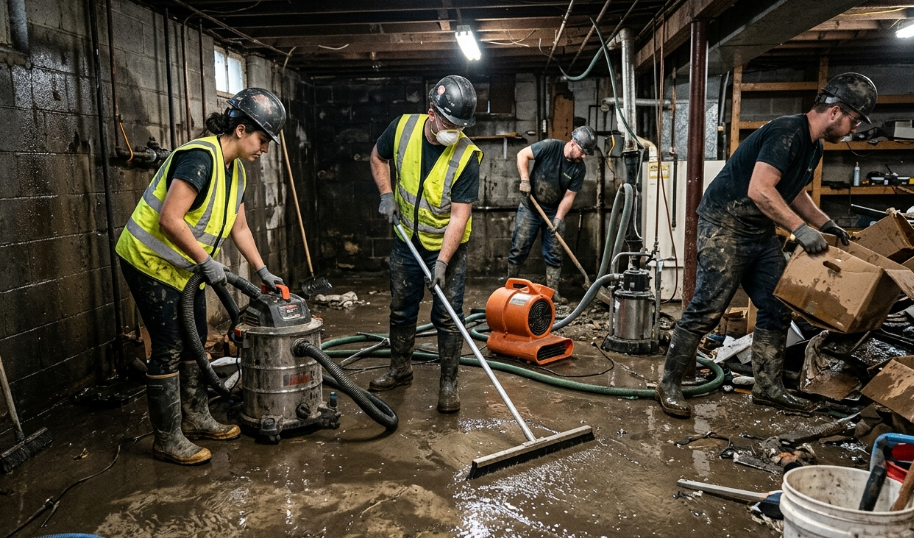
Floodwater can leave a home looking better than it actually is. Water may disappear from the floor while moisture remains behind walls, beneath flooring, or inside insulation. Dirty floodwater can also leave bacteria, chemicals, and other contaminants behind, making the property unsafe before any restoration work begins.
That is why homeowners should inspect the property carefully before replacing drywall, installing new flooring, or repainting rooms. The goal is to understand what was affected, how far the water traveled, and which materials can still be safely restored. A proper inspection can also prevent hidden moisture from turning into a much larger problem later.
Start by Determining How Far the Floodwater Traveled
The first thing to establish is the actual waterline. Floodwater does not always remain where you first see it. It can move through hallways, under doors, beneath cabinets, and into wall cavities before anyone begins removing water.
Look for staining, damp spots, swollen materials, peeling paint, and changes in flooring. Check closets and areas behind furniture too, since these spaces may dry much more slowly. Marking affected areas can help you understand the full extent of the damage rather than focusing only on the wettest room.
Check Floors Beneath Rugs, Furniture, and Finished Surfaces
Flooring can hide trapped moisture underneath its visible surface. Carpet may hold water against the subfloor, while wood and laminate can absorb moisture and begin to swell or distort.
Move items that can be safely moved and inspect the edges of the flooring. Watch for lifting seams, buckling, soft spots, or changes in texture. A floor that looks nearly normal can still have moisture underneath it.
Inspect Walls Above the Visible Waterline
Water can rise into drywall and other porous materials, even when the visible waterline seems low. Absorbed moisture may travel upward and remain inside the wall after the room begins to dry.
Look for bubbling paint, swollen drywall, soft areas, staining, or damaged trim. Pay extra attention to corners, baseboards, and areas around outlets or plumbing penetrations where water can enter more easily.
Check Structural Areas Before Beginning Repairs
A flooded home may have damage that is not obvious from the living areas. Water can affect framing, subfloors, stairs, support areas, and other parts of the structure. The severity depends on how much water entered, how long it remained, and where it reached.
Avoid assuming that a solid-looking surface is structurally sound. New movement, sagging, warping, cracking, or unusual sounds can be signs that something underneath has changed.
Look Beneath the Floor and Inside Utility Areas
If water entered a crawl space or basement, inspect those areas carefully. Standing water can soak wooden components, damage insulation, and leave moisture in places with very little airflow.
Pay attention to wood that appears swollen, stained, or soft. Damp insulation and trapped moisture should also be taken seriously because they can remain hidden long after the main water has been removed.
Examine Doors, Windows, and Trim for Movement
Doors and windows often provide useful clues after a flood. A door that suddenly sticks or a window that becomes difficult to operate may indicate swelling or movement in the surrounding materials.
Trim can show similar signs. Gaps, warping, discoloration, and separation from the wall may point to moisture exposure behind or beneath the finished surface.
Inspect Electrical, Plumbing, and HVAC Systems Before Use
Water and electricity are a dangerous combination. Flooding can affect outlets, wiring, electrical panels, appliances, and other components even when the damage is not visible.
Do not turn on equipment simply to see whether it still works. Electrical systems in affected areas should be evaluated before being returned to normal use. The same caution applies to appliances that were standing in floodwater.
Plumbing and HVAC systems deserve attention as well. Ductwork can collect dirty water and debris, while plumbing fixtures may be exposed to contaminated water.
Look Closely at Outlets, Panels, and Wiring
Discoloration, corrosion, damaged covers, tripped breakers, or unusual odors can indicate electrical exposure. Even minor-looking damage can become a safety issue when moisture is involved.
Affected electrical components should be assessed by a qualified professional before use. This is especially important in basements, utility rooms, garages, and other areas where water often reaches electrical equipment.
Check Air Ducts and Mechanical Equipment
Floodwater that reaches HVAC equipment or ductwork can create problems beyond the original wet area. Dirt and contaminants may be carried into the system and then redistributed through the home.
Inspect visible vents, registers, filters, and nearby equipment for mud, staining, or moisture. Mechanical systems exposed to floodwater may need specialized inspection before operation.
Identify Materials That May Not Be Safe to Keep
Not every flood-damaged material needs to be discarded. However, porous materials can absorb water and contaminants in ways that make simple surface cleaning ineffective.
Carpet, padding, certain types of drywall, insulation, and some wood products may need removal depending on the type of water involved and how long they stayed wet. The source of the water matters because floodwater can contain sewage, chemicals, bacteria, or other contaminants.
Separate Porous Materials From Hard Surfaces
Hard, non-porous surfaces are often easier to clean and disinfect when they are structurally sound. Porous materials are more complicated because contaminants can enter below the surface.
Before replacing everything, inspect each material based on its condition, exposure, and ability to be properly cleaned and dried. This avoids both unnecessary replacement and unsafe attempts to save materials that should be removed.
Check Cabinets and Built-In Features
Cabinet boxes, bathroom vanities, closets, and built-in shelving can trap moisture behind and underneath them. Their lower sections are particularly vulnerable when water reaches the floor.
Look for swelling, separation at joints, peeling finishes, soft wood, and lingering odors. Cabinets may sometimes be salvageable, but hidden areas still need to be dried and checked before they are kept in place.
Look for Moisture That Has Not Yet Become Visible
One of the biggest mistakes after flooding is assuming that dry surfaces mean the property is dry. Moisture can remain behind walls, under flooring, inside insulation, and beneath cabinets long after standing water is gone.
This is where a moisture inspection becomes especially useful. Moisture meters and other inspection tools can identify areas that look normal but still contain elevated moisture levels.
As part of the flood cleanup process, finding these hidden wet areas early is important because repairs made over damp materials can trap moisture inside the building.
Watch for Changes Over the Following Days
Some problems become easier to notice after the initial cleanup. New odors, bubbling paint, darkened spots, warped flooring, or soft drywall can appear as materials react to trapped moisture.
Do not ignore changes simply because the property initially looked dry. Continued monitoring can reveal areas that need additional drying or removal before restoration work moves forward.
Pay Attention to Musty or Unusual Odors
Odor can be a useful warning sign, especially in enclosed spaces. A persistent musty smell may suggest that moisture remains somewhere out of sight.
Look behind furniture, inside closets, beneath cabinets, and near baseboards when an odor seems strongest. The location of the smell can help narrow down where moisture is still present.
Check for Early Signs of Microbial Growth
Warm, damp materials can create favorable conditions for microbial growth. This can become a concern when water has remained inside the property for an extended period or when hidden spaces have not dried properly.
Watch for discoloration, fuzzy growth, musty odors, and recurring dampness. Problems can develop behind walls, under flooring, and inside other areas that receive little ventilation.
Do not simply cover suspicious areas with paint or new materials. The source of the moisture needs to be addressed first so the problem does not continue underneath the repair.
Document the Condition Before Restoration Begins
Take clear photographs and notes before damaged materials are removed. Record waterlines, affected rooms, damaged belongings, visible stains, structural concerns, and areas where moisture was found.
This documentation creates a useful record of what the property looked like before restoration work began. It can also help homeowners communicate more clearly with contractors, inspectors, and insurance representatives.
A room-by-room record is usually more useful than a few general photographs. Include close-up images of damaged materials as well as wider photos showing where each problem is located.
Know When the Property Needs a Professional Inspection
A homeowner can identify many warning signs, but some problems require tools and experience that are not available during a normal walkthrough. This is especially true when floodwater entered wall cavities, electrical systems, insulation, crawl spaces, or structural areas.
Professional inspection is also important when the water source was contaminated or when there is uncertainty about what materials can be safely kept. The objective is not to make the repair process more complicated. It is to avoid covering up a problem that will surface again later.
Before restoration begins, make sure the property has been properly assessed, affected materials have been identified, and hidden moisture has been located. That preparation creates a much stronger foundation for the work that follows.
Summing Up
Restoring a flooded property should begin with inspection, not replacement. Homeowners should check the full waterline, flooring, walls, structural areas, electrical systems, HVAC equipment, cabinets, insulation, and hidden spaces where moisture can remain. They should also watch for odors, material changes, and early signs of microbial growth.
The most important thing is to understand what happened inside the property before covering it up with new materials. Floodwater can cause capillary action, allowing moisture to move through porous materials and into areas that were never visibly submerged. Understanding that movement helps homeowners find hidden moisture and make better restoration decisions before repairs begin.

 English
 Arabic
 French
 Spanish
 Portuguese
 Deutsch
 Dutch
Dutch
 Italiano
 Russian
 Romaian
 Portuguese (Brazil)
 Greek
Greek