


AC Duct Repairs: A Complete Guide to Fixing Air Duct Problems and Improving HVAC Performance
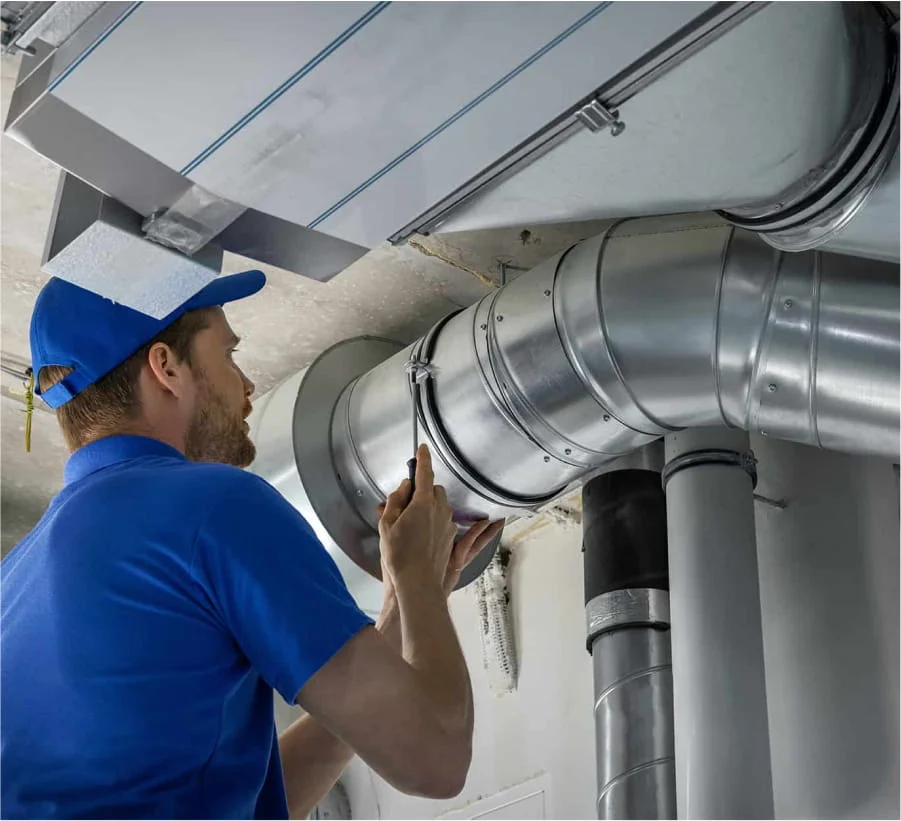
Your air conditioning system depends on more than the heating or cooling unit itself. The ductwork running through a home or commercial building plays an important role in carrying conditioned air to different rooms. When ducts become damaged, disconnected, poorly sealed, or deteriorated, some of that conditioned air may never reach the intended spaces.
Professional ac duct repairs can address leaks, loose connections, damaged sections, deteriorated insulation, airflow restrictions, and other ductwork problems. Repairing the right areas can help the HVAC system distribute air more effectively and may reduce unnecessary energy loss associated with leaking ducts.
Duct problems are not always easy to identify because much of the system may be hidden above ceilings, inside walls, beneath floors, or in roof and crawl spaces. Homeowners may first notice uneven temperatures, weak airflow, unusual noises, unexpectedly high energy consumption, or visible damage around accessible duct sections.
This guide explains the signs of damaged ductwork, common causes, repair methods, the difference between repair and replacement, and what to consider when arranging professional ductwork services.
What Are Air Conditioning Ducts?
Air conditioning ducts form the distribution network connected to a ducted HVAC system.
The system generally includes supply ducts that carry conditioned air toward rooms and return pathways that bring air back toward the HVAC equipment.
Depending on the building and system, ductwork may include:
-
Flexible ducts
-
Sheet metal ducts
-
Insulated ducts
-
Supply branches
-
Return ducts
-
Plenums
-
Registers
-
Grilles
-
Dampers
-
Connectors
Each component contributes to airflow and system performance.
When a section becomes damaged or disconnected, the effect may be noticeable beyond the immediate area.
Why AC Duct Condition Matters
A functioning air conditioner can still perform poorly when its duct system has significant problems.
Imagine cooling air travelling through a duct before reaching a bedroom. If part of that duct is disconnected in the roof space, a portion of the conditioned air may escape before reaching the room.
The HVAC equipment may continue operating, but comfort can suffer.
Well-maintained ductwork supports:
-
Effective air distribution
-
Consistent room temperatures
-
HVAC efficiency
-
Appropriate airflow
-
Better use of conditioned air
-
System performance
This is why ac duct repairs should be considered when airflow problems appear to originate from the distribution system rather than the HVAC unit itself.
Common Signs You May Need AC Duct Repairs
Ductwork problems can produce several symptoms.
Some of the most common include:
Weak Airflow
If airflow from one or more vents has become noticeably weaker, there may be a restriction, damaged branch, disconnected duct, damper issue, or another airflow problem.
Uneven Temperatures
One room may feel warmer or cooler than other areas even when the system is running.
Although several HVAC issues can cause uneven temperatures, ductwork should be considered during diagnosis.
Higher Energy Consumption
Leaking ducts can allow conditioned air to escape into spaces where it provides little benefit.
Energy bills can change for many reasons, so an increase alone does not confirm duct damage. However, it can justify an HVAC inspection when combined with other symptoms.
Unusual Noises
Rattling, whistling, banging, or other unusual sounds may be associated with loose duct components, airflow problems, or damaged sections.
Visible Damage
Accessible ducts may show tears, crushed areas, loose joints, damaged insulation, or disconnected sections.
What Causes Air Duct Damage?
Ductwork can deteriorate for many reasons.
Understanding the cause can help determine whether a simple repair is sufficient or whether larger changes are needed.
Age and General Wear
Like other building components, ducts can deteriorate over time.
Connections can loosen, flexible materials can become damaged, insulation can deteriorate, and previous sealing materials may no longer perform effectively.
Older systems may require more extensive assessment than relatively new ductwork with one isolated defect.
Poor Installation
Installation quality can influence long-term duct performance.
Problems may occur when ducts are:
-
Poorly supported
-
Excessively bent
-
Incorrectly joined
-
Improperly sealed
-
Compressed
-
Incorrectly sized
-
Routed inefficiently
Repairing the visible damage without correcting the installation problem may lead to recurring issues.
Accidental Physical Damage
Ductwork located in roof spaces, basements, crawl spaces, or service areas may be damaged during renovations or maintenance.
Workers can accidentally crush flexible ducts, loosen connections, or damage insulation while accessing other building services.
Homeowners should avoid walking on or placing heavy items on ductwork.
Pest Activity
Rodents and other pests may damage some duct materials or insulation.
If pest activity has contributed to the problem, repairing the duct without addressing the infestation may result in further damage.
In these situations, pest management and HVAC repairs may both be necessary.
Moisture Problems
Moisture around ductwork should be investigated rather than simply dried and ignored.
Possible causes can include condensation, insulation problems, air leakage, plumbing leaks, roof leaks, or other building issues.
The source should be identified before damaged materials are repaired or replaced.
Poor Support
Ductwork needs appropriate support.
Flexible ducts that sag excessively can experience reduced airflow and additional stress.
Improper support may also contribute to loose connections.
Professional ac duct repairs can include correcting support problems where they affect duct performance.
Air Leaks in Ductwork
Air leakage is one of the most common reasons ductwork requires attention.
Leaks can occur around:
-
Joints
-
Seams
-
Connections
-
Plenums
-
Branches
-
Damaged flexible ducts
-
Register connections
A small accessible leak may appear insignificant, but multiple leakage points can collectively affect air distribution.
Proper sealing methods depend on the duct type and location.
Disconnected Air Ducts
A disconnected duct can create a substantial airflow problem.
Instead of supplying a room, conditioned air may be released into a roof space, crawl space, basement, or other unintended location.
Common symptoms can include:
-
Very weak airflow from one vent
-
A room that no longer cools effectively
-
Unusual airflow noise
-
Increased HVAC runtime
A technician can inspect the branch and reconnect it using appropriate fittings, fastening, sealing, and support methods.
Crushed or Kinked Flexible Ducts
Flexible ductwork needs to be installed in a way that supports airflow.
Sharp bends, compression, excessive sagging, or crushing can increase airflow resistance.
Simply turning up the fan does not necessarily solve the underlying restriction.
The affected section may need to be repositioned, supported, or replaced.
Damaged Duct Insulation
Duct insulation helps reduce unwanted heat transfer between conditioned air and surrounding spaces.
When insulation is torn, wet, missing, or deteriorated, system performance may be affected.
Insulation problems can also contribute to condensation under certain conditions.
Repairs should address both the insulation and the reason it became damaged.
Why Duct Sealing Matters
Sealing appropriate duct leaks helps keep conditioned air inside the distribution system.
Professional duct sealing may involve approved materials designed for HVAC applications.
Depending on the duct system, these can include suitable mastics, tapes, mechanical fasteners, or other sealing methods.
Ordinary household adhesive tape is not necessarily appropriate for long-term HVAC duct repairs.
Correct materials and installation methods are important for durability.
How Professional AC Duct Repairs Work
The repair process should begin with diagnosis.
A technician may inspect accessible ductwork and evaluate airflow or other system conditions.
The process can involve:
-
Identifying the reported comfort or airflow problem
-
Inspecting accessible ducts
-
Checking connections and supports
-
Looking for visible leakage or damage
-
Assessing insulation
-
Identifying crushed or restricted sections
-
Determining whether repair or replacement is appropriate
-
Completing repairs
-
Checking system operation afterward
The exact process varies according to the property and HVAC system.
Common Types of AC Duct Repairs
Different duct problems require different solutions.
Sealing Leaking Joints
Loose or leaking connections can be properly secured and sealed.
Repairing Flexible Ducts
Minor damage may sometimes be repairable, while badly torn, crushed, or deteriorated sections may need replacement.
Reconnecting Ductwork
Disconnected branches can be correctly reattached and supported.
Repairing Insulation
Damaged insulation may be restored or replaced where appropriate.
Improving Support
Sagging ducts may require additional support to improve routing and reduce stress.
Repairing Plenum Connections
Leaks around plenums and major distribution points can affect a significant portion of the system and may require professional sealing or repair.
AC Duct Repair vs Duct Replacement
Not every damaged duct system needs complete replacement.
Repairs can be appropriate when:
-
Damage is localised
-
Most ductwork remains in reasonable condition
-
Only several connections are leaking
-
A limited number of sections are damaged
-
Insulation problems are isolated
Replacement may be more practical when:
-
Ductwork is extensively deteriorated
-
Numerous sections are damaged
-
The existing layout is fundamentally poor
-
Duct sizing is unsuitable
-
Flexible ducts are badly crushed or degraded
-
Repairs would only provide a temporary solution
A professional assessment can help compare the expected value of repair with replacement.
Why Duct Size Is Important
Duct sizing affects airflow.
A duct that is too restrictive may not deliver the required amount of air, while poorly designed distribution can contribute to comfort problems.
However, duct size should not be changed based on guesswork.
HVAC system design involves factors such as:
-
Required airflow
-
Equipment capacity
-
Duct length
-
Fittings
-
Static pressure
-
Room requirements
If poor sizing is suspected, a qualified HVAC professional should assess the system rather than simply replacing a duct with a larger one.
Uneven Cooling and Duct Problems
One common reason homeowners investigate ac duct repairs is uneven cooling.
A room may remain warmer than the rest of the property even though its vent is open.
Possible duct-related causes include:
-
Leaking branch duct
-
Disconnected duct
-
Crushed flexible duct
-
Closed or faulty damper
-
Poor duct design
-
Inadequate return airflow
-
Incorrect duct sizing
Non-duct causes can also contribute, including insulation, windows, equipment problems, and room heat loads.
Accurate diagnosis matters before repairs begin.
Weak Airflow From AC Vents
Weak airflow does not automatically mean the air conditioner itself is failing.
Potential causes include:
-
Dirty filters
-
Duct restrictions
-
Leaks
-
Damaged flexible ducts
-
Closed dampers
-
Blower problems
-
Blocked registers
-
System design issues
A technician can evaluate the system to determine whether duct repair is actually required.
Noisy Air Ducts
Duct systems can generate unusual noises for several reasons.
Whistling may indicate air moving through a small gap or restriction.
Rattling can result from loose components.
Popping or expansion noises may occur in some metal duct systems as temperatures and pressures change.
Not every sound represents a serious defect, but new or excessive noise should be investigated if it affects comfort or indicates loose components.
Duct Repairs and HVAC Efficiency
Leaking or damaged ductwork can waste some of the heating or cooling produced by HVAC equipment.
Repairing significant leakage can help more conditioned air reach intended spaces.
However, energy performance depends on the entire system.
Equipment condition, insulation, thermostat settings, building envelope, filters, weather, and occupant behaviour can also affect energy use.
Duct repair should therefore be viewed as one part of overall HVAC efficiency.
Can Damaged Ducts Affect Indoor Air Quality?
Duct problems can sometimes affect the way air moves through a building.
For example, leaks on certain parts of a system may allow air from surrounding spaces to influence the distribution system.
Indoor air quality, however, can have many contributing factors.
Moisture, ventilation, filtration, building materials, outdoor pollution, cleaning products, and occupant activities can all matter.
If there are persistent indoor air concerns, the whole building and HVAC system may need assessment rather than assuming ductwork is the only cause.
Duct Repairs After Pest Damage
Rodents can sometimes damage flexible ducts or insulation.
Before completing repairs, the pest problem should be addressed.
The repair process may involve:
-
Removing damaged materials where appropriate
-
Replacing affected duct sections
-
Restoring insulation
-
Correcting entry-related building issues
-
Checking nearby ductwork
Significant contamination may require additional professional cleaning or remediation depending on the circumstances.
Duct Repairs After Renovations
Renovation work can affect HVAC duct systems.
Walls may be moved, ceiling spaces altered, vents relocated, or duct sections damaged during construction.
After substantial renovation, it can be useful to confirm that:
-
Ducts remain connected
-
Vents are unobstructed
-
Flexible ducts are not crushed
-
Supports remain intact
-
New room layouts receive suitable airflow
Changes to building layout can sometimes require duct redesign rather than basic repair.
Residential AC Duct Repairs
Residential duct systems may run through ceilings, roof spaces, walls, basements, or under floors.
Homeowners commonly request repairs because of:
-
Hot or cold rooms
-
Low airflow
-
Roof-space duct damage
-
Noisy vents
-
High energy use
-
Visible flexible duct deterioration
-
Renovation damage
The technician should assess both the reported problem and the wider system where practical.
Commercial AC Duct Repairs
Commercial HVAC systems can be larger and more complex than residential systems.
Duct problems can affect:
-
Offices
-
Retail stores
-
Restaurants
-
Warehouses
-
Medical facilities
-
Schools
-
Hotels
-
Industrial premises
Commercial repairs may need to consider building operating hours, occupant comfort, access, air-balancing requirements, and business disruption.
Preventive HVAC maintenance can help identify deteriorating duct components before major problems develop.
Should You Repair AC Ducts Yourself?
Some basic checks can be performed safely, such as confirming that visible vents are open and replacing filters according to system requirements.
However, duct repairs can involve:
-
Difficult roof-space access
-
Electrical hazards
-
Sharp metal
-
Insulation
-
Confined areas
-
Specialised sealing materials
-
Airflow considerations
Improper repairs can restrict airflow or fail quickly.
Professional service is generally more appropriate when ductwork is inaccessible, significantly damaged, or part of a larger HVAC performance problem.
Why Ordinary Tape Is Often Not a Long-Term Repair
A common DIY approach is placing household tape over a leaking duct.
The problem is that many general-purpose tapes are not designed for long-term performance under HVAC operating conditions.
Temperature changes, dust, moisture, and surface conditions can cause unsuitable adhesives to fail.
Professional repair should use materials appropriate for the particular duct system and application.
How Much Do AC Duct Repairs Cost?
The cost of ac duct repairs varies depending on the problem.
Factors may include:
-
Type of ductwork
-
Amount of damage
-
Accessibility
-
Number of leaks
-
Insulation condition
-
Labour requirements
-
Replacement materials
-
Building size
-
Whether redesign is required
A small accessible repair can be considerably different from repairing extensive duct damage throughout a large property.
A professional inspection can provide a more accurate scope and estimate.
How Long Do AC Duct Repairs Take?
Repair time depends on accessibility and the amount of work required.
A loose connection in an accessible area may be relatively straightforward.
Multiple damaged ducts in a difficult roof space may require considerably more time.
Additional work may also be required if the problem involves poor design, moisture damage, pest damage, or structural access.
How Often Should Ductwork Be Inspected?
There is no universal inspection interval suitable for every property.
However, ductwork should be considered when HVAC performance changes.
An inspection may be worthwhile if you notice:
-
Reduced airflow
-
Uneven temperatures
-
New duct noises
-
Visible duct damage
-
Unexplained energy changes
-
Damage after renovation
-
Pest activity around ducts
Duct condition can also be reviewed during broader HVAC maintenance where appropriate.
How to Prevent Future Duct Damage
Preventive maintenance can help reduce avoidable problems.
Useful steps include:
-
Schedule appropriate HVAC maintenance
-
Keep filters maintained
-
Avoid storing items on ducts
-
Avoid walking on flexible ducts
-
Address pest problems
-
Investigate moisture quickly
-
Protect ducts during renovation
-
Repair damaged supports
-
Have persistent airflow problems investigated
Small problems are often easier to address before they develop into widespread damage.
Choosing an AC Duct Repair Professional
When arranging ac duct repairs, ask what the service includes.
Useful questions include:
-
Will the ductwork be inspected first?
-
What is causing the problem?
-
Which sections require repair?
-
Is replacement necessary anywhere?
-
What sealing materials will be used?
-
Is insulation included?
-
Will supports be checked?
-
Will airflow be assessed afterward?
-
Are there underlying HVAC issues?
A professional should be able to explain why the recommended work is necessary.
Common AC Duct Repair Mistakes
Avoid these common problems:
-
Sealing without diagnosing the cause
-
Using unsuitable household tape
-
Ignoring crushed flexible ducts
-
Repairing pest damage without controlling pests
-
Ignoring wet insulation
-
Reconnecting ducts without proper support
-
Assuming every airflow problem is caused by duct leakage
-
Replacing ducts without considering system design
-
Ignoring recurring noises
Good repairs address both the defect and, where possible, the condition that caused it.
Frequently Asked Questions About AC Duct Repairs
How do I know if my AC ducts are leaking?
Possible signs include weak airflow, uneven room temperatures, visible disconnected ducts, damaged ductwork, unusual noises, and changes in system performance. Professional inspection can confirm the cause.
Can leaking ducts increase energy costs?
Significant leakage can allow conditioned air to escape before reaching intended rooms, potentially contributing to unnecessary HVAC energy use.
Can flexible AC ducts be repaired?
Some localised damage may be repairable. Severely crushed, torn, contaminated, or deteriorated flexible duct sections may be better replaced.
Why is one room not getting enough air?
Possible causes include a damaged or disconnected duct, closed damper, restriction, poor duct sizing, filter issues, blower problems, or other HVAC conditions. Diagnosis is required before selecting a repair.
Do damaged ducts need complete replacement?
Not always. Localised problems can often be repaired. Replacement may be more practical when damage or deterioration is extensive.
Can I use ordinary duct tape for AC duct repairs?
Despite its name, ordinary household duct tape may not be appropriate for durable HVAC duct sealing. Professional systems use suitable materials selected for the duct type and application.
Can rodents damage AC ducts?
Yes. Rodents may damage some flexible duct materials and insulation. Pest activity should be addressed before or alongside duct repair.
How much do ac duct repairs cost?
Costs vary according to the amount of damage, accessibility, duct type, labour, insulation requirements, and whether sections need replacement.
How long does duct repair take?
A minor accessible repair may be completed relatively quickly, while extensive or difficult-to-access damage can require significantly more time.
Is repairing AC ducts worth it?
Repair can be worthwhile when damaged or leaking ductwork is contributing to airflow, comfort, or energy-loss problems. Whether repair or replacement offers better value depends on the overall condition of the system.
Final Thoughts
Professional ac duct repairs can play an important role in restoring effective air distribution when an HVAC system is affected by leaking, disconnected, crushed, poorly supported, or damaged ductwork.
Weak airflow, uneven temperatures, unusual duct noises, visible deterioration, or performance changes should be investigated rather than automatically blamed on the air conditioning unit. In some cases, the equipment may be working correctly while conditioned air is being lost or restricted within the distribution system.
Effective ac duct repairs begin with proper diagnosis. The appropriate solution might involve sealing connections, reconnecting duct sections, replacing damaged flexible ducts, restoring insulation, improving supports, or addressing larger duct-design issues.
Repair should also consider the underlying cause. Pest activity, moisture, poor installation, renovation damage, or inadequate support can lead to recurring problems if they are left unresolved.
By maintaining the duct system alongside the rest of the HVAC equipment, homeowners and businesses can support more consistent airflow, improve comfort, and help ensure that conditioned air reaches the spaces where it is actually needed.

 English
 Arabic
 French
 Spanish
 Portuguese
 Turkish
 Dutch
Dutch
 Italiano
 Russian
 Romaian
 Portuguese (Brazil)
 Greek
Greek