The global demand for poultry products continues to rise as consumers look for affordable, high-quality protein sources. This growth has placed significant pressure on farmers to increase production while keeping costs under control. However, traditional farming methods often struggle with inefficiencies such as high feed waste, disease outbreaks, and rising labor expenses.
To overcome these challenges, modern agriculture is increasingly turning toward advanced systems and technologies. Today, poultry farming solutions play a vital role in helping farmers improve productivity, reduce operational costs, and build more sustainable poultry businesses.
Understanding Poultry Farming Solutions
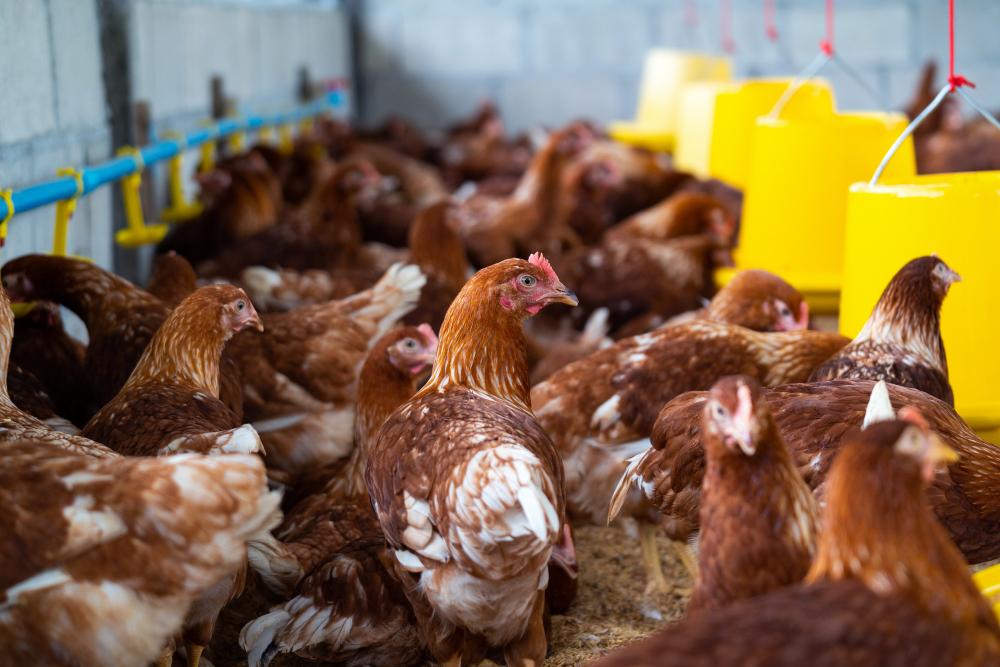
Poultry farming solutions refer to integrated systems and technologies designed to optimize every stage of poultry production. These solutions combine equipment, automation, and management tools to create more efficient farming operations.
Key components include:
- Automated feeding and watering systems
- Climate-controlled poultry housing
- Advanced ventilation systems
- Smart monitoring and farm management software
Together, these systems ensure better control over farm conditions, leading to healthier birds and higher productivity.
Increasing Productivity Through Automation
One of the biggest advantages of modern poultry systems is automation. Manual processes are time-consuming and often inconsistent, which can affect production quality.
Automated feeding systems ensure birds receive the correct amount of feed at scheduled intervals, reducing human error and improving growth rates. Similarly, automated watering systems provide clean and consistent water supply, which is essential for bird health and performance.
Egg collection systems and other mechanical handling equipment also reduce labor dependency and speed up production cycles. As a result, farmers can achieve higher output with fewer resources.
Improving Bird Health and Survival Rates
Healthy birds are the foundation of a profitable poultry business. Modern systems focus heavily on maintaining ideal environmental conditions.
Climate-controlled poultry houses help regulate temperature and humidity, ensuring birds are comfortable in all seasons. Proper ventilation systems remove harmful gases like ammonia and provide fresh airflow, reducing stress and disease risks.
Biosecurity measures also play a critical role by limiting farm access and preventing contamination. These improvements significantly reduce mortality rates and enhance overall flock performance.
Reducing Feed and Resource Wastage
Feed is one of the largest operational costs in poultry farming. Even small inefficiencies can lead to significant financial losses over time.
Precision feeding systems help deliver the exact amount of feed needed, reducing spillage and overfeeding. Water management systems ensure minimal wastage while maintaining hygiene standards.
In many modern farms, waste management systems are also introduced to handle litter and by-products efficiently. These improvements collectively reduce operational costs and improve profitability.
Labor Cost Optimization
Traditional poultry farming relies heavily on manual labor, which increases long-term expenses. Modern systems reduce this dependency through automation.
Centralized control systems allow farmers to monitor and manage multiple operations from a single interface. Tasks such as feeding, temperature control, and ventilation can be automated, reducing the need for large labor teams.
This not only lowers labor costs but also improves operational consistency and efficiency across the farm.
Data-Driven Decision Making
Technology has introduced a new level of intelligence to poultry farming. Smart monitoring systems collect real-time data on feed consumption, environmental conditions, and bird growth.
This data helps farmers identify issues early and make informed decisions. Predictive analytics can even forecast potential problems such as disease outbreaks or feed shortages.
By using data effectively, farmers can improve efficiency, reduce risks, and maximize output.
Energy Efficiency and Cost Savings
Energy consumption is another major cost factor in poultry operations. Modern systems are designed to be more energy-efficient, helping reduce utility bills.
LED lighting systems, automated climate control units, and energy-efficient ventilation systems all contribute to lower power usage. Some farms also integrate renewable energy sources such as solar power to further reduce costs.
These improvements not only save money but also support environmentally friendly farming practices.
Scalability and Business Growth
Modern poultry systems are designed with scalability in mind. Farmers can start small and expand their operations without major disruptions.
Modular systems allow new units to be added easily as demand increases. This flexibility ensures consistent production quality even as farm size grows.
Scalability is essential for farmers looking to meet rising market demand and expand into commercial production.
Integration with Poultry Processing Solutions
Efficient farming is only one part of the supply chain. After production, proper handling and processing are essential for maintaining product quality.
This is where poultry processing solutions become important, ensuring that birds are processed hygienically, efficiently, and in compliance with industry standards. When farming and processing systems are integrated, the entire supply chain becomes more efficient, reducing delays and improving product quality.
Challenges and Considerations
While modern systems offer many benefits, there are also challenges to consider. The initial investment in advanced equipment can be high, especially for small-scale farmers.
Additionally, proper training is required to operate and maintain these systems effectively. Regular maintenance and upgrades are also necessary to ensure long-term performance.
Choosing the right technology provider is crucial to achieving the best results.
Conclusion
The poultry industry is rapidly evolving, and efficiency has become the key to success. Modern technologies and systems have transformed traditional farming into a highly optimized and data-driven industry.
By adopting poultry farming solutions , farmers can significantly increase productivity, reduce costs, and improve bird health. At the same time, integrating advanced systems across the supply chain ensures better profitability and long-term sustainability.
Ultimately, investing in modern poultry solutions is no longer optional—it is essential for staying competitive in today's growing agricultural market.




 English
 Arabic
 French
 Spanish
 Portuguese
 Deutsch
 Turkish
 Dutch
Dutch
 Italiano
 Romaian
 Portuguese (Brazil)
 Greek
Greek