


How to Choose a Front Door Style with the Right Materials and Finish
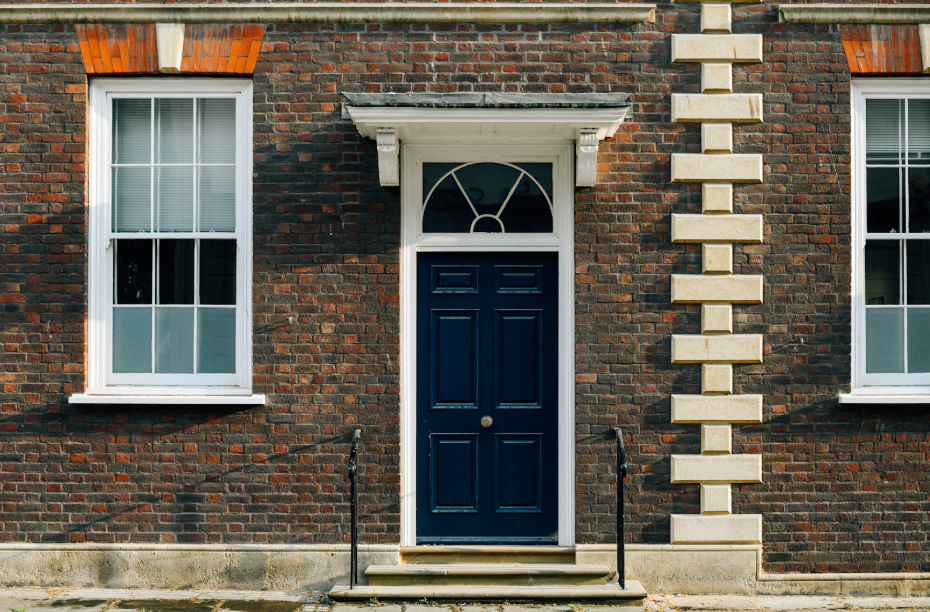
Knowing how to choose a front door style is one of the more impactful decisions a homeowner can make during a renovation or new build. The front door is the first thing visitors notice when approaching a home. It sets the tone for the entire property and communicates something about the people who live there. Beyond visual impressions, a front door plays a serious functional role. It manages security, controls energy transfer, and stands up to weather conditions year after year.
The process of selecting the right door involves more than picking a color you like. It requires thinking about your home's architectural character, the climate where you live, the materials available, and the finish that will hold up over time. This guide walks through each of those considerations in a clear and practical way so you can approach the decision with confidence.
Why the Front Door Deserves Careful Consideration
A front door is one of the few elements of a home that works simultaneously as a design statement and a performance product. It needs to look right from the street, function reliably every day, and continue doing both for many years without constant maintenance.
Homeowners who rush this decision often find themselves replacing the door sooner than expected, either because the material was not suited to their climate or because the style no longer fits after other renovations changed the character of the home. Taking the time to understand your options before purchasing saves money and frustration in the long run.
The front door also contributes to energy efficiency. A poorly insulated or poorly sealed door allows air to move freely in and out of the home, which adds to heating and cooling costs. Choosing the right exterior door materials addresses this directly and can make a measurable difference in comfort and utility bills. For a broader look at how exterior choices affect performance, the guide to choosing the perfect front door that matches your home's design offers useful context on balancing aesthetics with practicality.
Start with Your Home's Architectural Style
The most reliable starting point when thinking about front door design is the architecture of your home. A door that suits the proportions, materials, and period references of the house will always look more considered than one chosen purely for individual appeal.
Traditional and Colonial Homes: These homes typically feature symmetrical facades with evenly spaced windows and a centered entry. Front door design for these properties often involves paneled wood doors with raised profiles, transom windows above the door, and sidelights on either side. Classic colors like deep navy, forest green, black, and deep red have a long history with this style.
Craftsman and Bungalow Homes: Craftsman architecture favors natural materials, exposed joinery, and a connection between interior and exterior. Front doors in this style often feature glass lites in the upper portion, wood construction with visible grain, and warm earthy tones. The hardware tends to be simple and sturdy rather than ornate.
Ranch and Mid-Century Homes: These homes typically have lower rooflines and horizontal emphasis. A front door with a wider profile, full-length glass panels, or a bold solid color tends to suit this style well. Simpler hardware and clean lines complement the horizontal character of the architecture.
Contemporary and Modern Homes: Modern architecture values clean geometry and minimal ornamentation. Entry door styles for these homes often feature flush panels, large glass sections, pivot hardware, and finishes that lean toward matte black, charcoal, or natural wood in smooth profiles. The door becomes a graphic element in the facade rather than a traditional focal point.
Understanding which category your home falls into gives you a useful filter for narrowing down options before getting into material and finish decisions.
Exterior Door Materials: Understanding Your Options
The material you choose for your front door determines how it performs over time, how much maintenance it requires, and what it can realistically look like. Each material has genuine strengths and limitations worth understanding before committing.
Wood Doors
Wood has been the traditional choice for front doors across virtually every architectural style. It offers natural warmth, the ability to be stained or painted in any color, and a visual richness that other materials can replicate but rarely match exactly. Solid wood doors carry a weight and presence that communicates quality.
The trade-off is maintenance. Wood expands and contracts with changes in temperature and humidity, which means painted or stained finishes require periodic attention. In climates with extreme temperature swings or high humidity, a wood door that is not properly sealed and maintained can warp, crack, or swell over time. Solid wood doors also require a covered entry or a storm door in particularly harsh climates to extend their lifespan.
For homeowners who value the authentic look and are willing to invest in upkeep, wood remains a rewarding choice. For those who want the appearance of wood with less maintenance demand, engineered wood or fiberglass with a wood-grain finish are worth considering.
Fiberglass Doors
Fiberglass has become one of the most popular exterior door materials for residential use, and the reasons are straightforward. A quality fiberglass door resists warping, cracking, and swelling regardless of climate conditions. It does not rust, rot, or require the seasonal maintenance that wood demands. Many fiberglass doors are manufactured with a wood-grain texture on the surface, which can be stained to closely resemble natural wood.
From an energy efficiency standpoint, fiberglass doors typically outperform both wood and steel because the door panel itself is filled with polyurethane foam insulation. This creates a high-performance thermal barrier that reduces heat transfer significantly.
The range of entry door styles available in fiberglass has expanded considerably. Homeowners can find fiberglass doors in traditional paneled designs, craftsman profiles with glass lites, sleek contemporary flush panels, and everything in between. The material accepts both paint and stain, which gives more flexibility than steel.
For a more detailed look at what makes fiberglass such a practical choice, why fiberglass exterior doors are the best choice for energy efficiency and style covers the performance advantages in depth.
Steel Doors
Steel doors are known for their strength and security. They are resistant to forced entry in a way that wood and fiberglass cannot always match, which makes them a practical choice for homeowners who prioritize security above other considerations. Steel doors are also typically less expensive than comparable wood or fiberglass options.
The limitations of steel center on two areas. First, steel conducts heat and cold more readily than fiberglass, so insulation quality varies significantly by product and price point. A well-insulated steel door can perform well thermally, but a lower-quality product may create a noticeable cold spot in winter. Second, steel is susceptible to dents and surface rust in coastal or high-humidity environments if the finish is damaged. A scratched or chipped steel door needs prompt attention to prevent corrosion.
Steel is most practical in moderate climates and in applications where security is the primary concern. It suits contemporary and modern front door design particularly well because of its clean, flat surface and the ease with which it can be painted in bold colors.
Aluminum and Glass Doors
For contemporary and modern homes, aluminum-framed doors with large glass panels are an increasingly popular choice. These doors make a bold design statement and allow natural light to pass into the entry area, which can significantly improve the feel of a foyer or hallway. The aluminum framing is lightweight, corrosion-resistant, and can be finished in a wide range of powder-coated colors.
The main consideration with glass-heavy doors is privacy and insulation. Frosted, textured, or tinted glass options address the privacy concern, and thermally broken aluminum frames reduce heat transfer. However, these doors are generally best suited to climates without extreme cold, and they require careful selection to maintain adequate energy performance.
Choosing the Right Finish
Once the material is selected, the finish becomes the next major decision. The finish affects how the door looks, how long it holds up, and how much maintenance it requires over time.
Paint
Painted finishes are the most common choice for front doors and offer the widest range of color options. For wood and fiberglass doors, a high-quality exterior paint in a semi-gloss or gloss sheen provides durability and weather resistance. Gloss finishes reflect light well, which helps the door read clearly from the street, and they are easier to clean than matte surfaces.
Color selection is a personal decision, but it is worth considering how the door color relates to the trim, siding, and other exterior elements. A front door that contrasts with the surrounding exterior creates a focal point and adds energy to the facade. A door that closely matches the trim or siding creates a more unified, understated look.
Some of the most enduring front door colors include black, which suits nearly every architectural style, deep navy and forest green for traditional homes, warm reds and burnt oranges for craftsman properties, and warm whites or soft grays for contemporary designs.
Stain
Stained finishes apply to wood and to fiberglass doors manufactured with a wood-grain surface. A stain allows the texture and grain of the material to show through, creating a more natural, organic appearance than paint. Stained finishes require a clear topcoat to protect against UV exposure and moisture.
Maintaining a stained door involves periodic recoating as the topcoat weathers. In sunny climates, this may be needed every two to three years. In more temperate climates, the interval can be longer. The maintenance commitment is higher than for a painted finish, but the visual result for the right home and style is worth it.
Factory Finishes
Many manufacturers offer factory-applied finishes that are cured under controlled conditions and tend to outperform site-applied paint or stain in terms of durability and consistency. If a factory-finished door is available in the color or stain you want, it is often worth choosing over a site-painted option for the same product.
Glass Options: Light, Privacy, and Style
Glass elements in a front door serve both functional and aesthetic purposes. They allow natural light into the entry area, create visual connection between interior and exterior, and add design interest to the door itself.
The most common glass configurations include full-lite doors with glass covering most of the door panel, half-lite doors with glass in the upper half, and doors with smaller decorative glass inserts in traditional or craftsman patterns.
Privacy is a real consideration for front doors, particularly in urban or suburban settings where the entry is close to the street. Options include frosted glass, textured art glass, rain glass, and wrought iron-style decorative inserts that obscure the view while still allowing light to pass through.
For energy performance, double or triple-glazed glass units with low-emissivity coatings significantly reduce heat transfer compared to single-pane glass. In climates with cold winters or hot summers, this makes a measurable difference in comfort near the entry area.
Sidelights and transoms are companion elements that expand the glass opening around the door without compromising the door itself. They add significant light and visual height to an entry but require additional wall space and structural consideration.
Hardware: The Final Layer of Front Door Design
Hardware is the element that ties the front door design together visually. A door with carefully chosen hardware looks finished and deliberate. The same door with mismatched or generic hardware looks like an afterthought.
The primary hardware pieces include the handleset or knob, the deadbolt, hinges, and any decorative elements like door knockers or house numbers. Finish consistency across all of these pieces creates a cohesive result. Common finishes include matte black, satin nickel, polished brass, oil-rubbed bronze, and brushed gold. Each finish reads differently against different door colors and materials.
Matte black hardware is currently one of the most versatile choices because it works with both contemporary and traditional front door design. It pairs well with dark doors and provides strong contrast against lighter ones. Satin nickel is a clean, neutral option that suits transitional and modern styles. Brushed gold and polished brass have returned to favor for traditional and maximalist applications.
For a deeper look at how hardware choices affect the overall impression of an exterior door, door hardware that complements your home's design covers the selection process in practical detail.
Security and Performance Considerations
A front door that looks exceptional but performs poorly is not a good investment. Security and weather performance are the two functional baselines worth confirming before finalizing any door purchase.
Security involves the door panel itself, the frame, and the locking system. A strong door in a weak frame is not meaningfully more secure than a weaker door, because most forced entries exploit the frame rather than the panel. Look for doors that include reinforced frames, multi-point locking systems, and hinge bolts or security hinges if the door swings outward.
Weather performance relates to how well the door seals against air and moisture infiltration. Look for products with quality weatherstripping on all four sides, a durable threshold seal at the base, and a core insulation rating that suits your climate. These details determine how well the door performs over years of daily use and seasonal weather cycles.
Conclusion
Learning how to choose a front door style is ultimately about matching the right exterior door materials, front door design, and finish to the specific demands of your home and climate. There is no single correct answer, but there is a clear process for finding the right one. Start with the architecture, move to the material based on performance needs and budget, choose a finish suited to the material and climate, and complete the picture with hardware that ties everything together.
When these decisions are made thoughtfully, the result is a front door that adds genuine value to the home, performs reliably through years of use, and makes the kind of first impression that is hard to achieve with any other single upgrade.
FMD Distributor carries a range of exterior doors including wood, fiberglass, and steel options suited to different architectural styles and performance requirements. Exploring the available options alongside the guidance in this article will help you arrive at a choice that looks right, performs well, and holds up over time.
FAQs
Q: What is the most durable material for a front door in a harsh climate?
A: Fiberglass is generally the most durable choice for extreme climates. It resists warping, cracking, and moisture without the maintenance demands of wood. A fiberglass door with a foam-insulated core also provides strong thermal performance in both hot and cold conditions.
Q: How do I match entry door styles to my home's architecture?
A: Look at the proportions, materials, and period references of your home's facade. Traditional homes suit paneled designs with classic hardware, while contemporary homes work better with flush panels and minimal detailing. Staying consistent with your home's existing visual language produces the most coherent result.
Q: Does front door color affect energy efficiency?
A: Color has a minor effect on heat absorption, with darker colors absorbing more solar heat than lighter ones. However, the door material, insulation core, and weatherstripping quality have a far greater impact on overall energy performance than color selection alone.
Q: How often does a front door need repainting or refinishing?
A: A painted exterior door typically needs repainting every five to seven years depending on sun exposure and climate conditions. Stained wood or fiberglass doors may need their topcoat refreshed every two to four years. Factory-applied finishes tend to last longer than site-applied ones.
Q: Should sidelights match the front door exactly?
A: Sidelights generally look best when they share the same frame finish, glass type, and overall profile as the main door. Exact matching is not always necessary, but the elements should share a consistent visual language so the entry reads as a unified composition rather than separate pieces.

 Arabic
 French
 Spanish
 Portuguese
 Deutsch
 Turkish
 Dutch
Dutch
 Italiano
 Russian
 Romaian
 Portuguese (Brazil)
 Greek
Greek