


Vinyasa Yoga Poses Sequence: Flowing Your Way to Strength, Flexibility, and Inner Balance
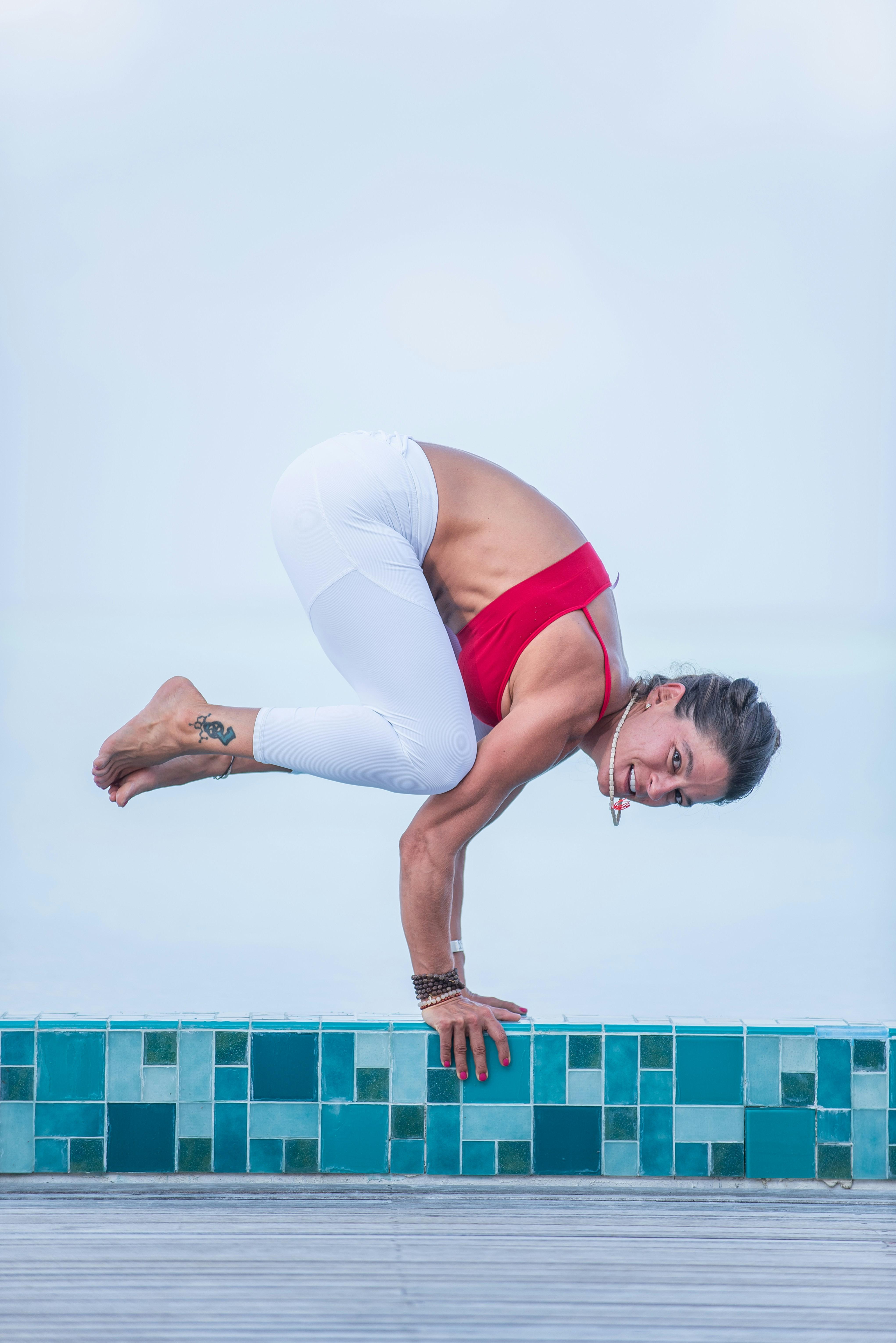
Vinyasa yoga is one of the most popular and dynamic styles of yoga practiced today. Known for its fluid transitions and breath-synchronized movements, vinyasa yoga creates a seamless flow from one pose to another. Unlike more static forms of yoga, this practice feels like a graceful dance, where each movement is guided by inhalation and exhalation.
A well-structured vinyasa yoga poses sequence not only improves physical fitness but also enhances mental clarity and emotional balance. In this blog, we will explore a complete vinyasa sequence, its structure, benefits, and tips for building your own flow.
Understanding Vinyasa Yoga
The word “vinyasa” translates to “to place in a special way,” which reflects the intentional sequencing of poses. In vinyasa yoga, each posture is connected through a flowing transition, often linked by a mini-sequence such as plank, chaturanga, upward-facing dog, and downward-facing dog.
This continuous movement helps build heat in the body, making it both a strength-building and cardiovascular workout.
Benefits of a Vinyasa Yoga Sequence
Practicing a consistent vinyasa yoga sequence offers numerous benefits:
- Enhances flexibility: Continuous movement helps lengthen muscles.
- Builds strength: Many poses engage core, arms, and legs.
- Boosts stamina: The flowing nature increases endurance.
- Reduces stress: Breath awareness calms the nervous system.
- Improves coordination: Linking breath with movement sharpens focus.
It is a holistic practice that strengthens both the body and the mind.
Structure of a Vinyasa Yoga Poses Sequence
A balanced vinyasa flow typically follows a structured pattern:
- Centering and breath awareness
- Warm-up movements
- Sun salutations
- Standing poses
- Balancing and core work
- Peak poses (backbends or deeper stretches)
- Cool-down
- Final relaxation
Let’s break down each stage in detail.
1. Centering and Breath Awareness
Begin your practice by grounding yourself. Sit in a comfortable position or lie down. Close your eyes and focus on your breath.
Practice deep, steady breathing—inhale fully and exhale slowly. This helps quiet the mind and prepares your body for movement. Setting an intention for your practice at this stage can also enhance mindfulness.
2. Warm-Up Poses
Warming up is essential to gently awaken the body and prevent injury.
Start with simple movements such as:
- Cat-Cow stretches to mobilize the spine
- Child’s Pose to relax and stretch
- Gentle hip circles
- Shoulder and neck rolls
These movements increase circulation and loosen tight muscles, especially in the back and hips.
3. Sun Salutations (Surya Namaskar)
Sun salutations are the foundation of most vinyasa sequences. They build heat and establish rhythm.
A basic round includes:
- Mountain Pose
- Forward Fold
- Half Lift
- Plank Pose
- Chaturanga Dandasana
- Upward-Facing Dog
- Downward-Facing Dog
Each movement is linked to either an inhale or exhale. Repeating several rounds helps energize the body and deepen the breath-movement connection.
4. Standing Poses
After warming up, move into standing poses that build strength and stability.
Common poses include:
- Warrior I
- Warrior II
- Reverse Warrior
- Extended Side Angle
- Triangle Pose
These poses strengthen the legs, improve balance, and open the hips and chest. Transitions between poses often flow through vinyasa sequences, maintaining continuity.
5. Balancing and Core Work
Balancing poses require concentration and activate stabilizing muscles.
Include poses such as:
- Tree Pose
- Warrior III
- Chair Pose
- Boat Pose
These postures strengthen the core and improve focus. Even if you wobble, the practice helps develop patience and awareness.
6. Peak Poses and Backbends
This is the most intense part of the sequence. By now, your body is warm and ready for deeper stretches or advanced poses.
Examples include:
- Cobra Pose
- Bridge Pose
- Camel Pose
- Wheel Pose
Backbends open the heart and chest, improve spinal flexibility, and boost energy levels. Move slowly and avoid forcing your body into any pose.
7. Cool-Down and Stretching
After peak poses, it’s important to gradually slow down.
Cooling poses may include:
- Seated Forward Fold
- Supine Twist
- Pigeon Pose
- Happy Baby Pose
These stretches release tension and allow the heart rate to come down. Focus on slow breathing and gentle movements.
8. Final Relaxation (Savasana)
End your practice with Savasana. Lie flat on your back with arms relaxed and palms facing upward.
This stage allows the body to absorb the benefits of the practice. Stay here for at least 5–10 minutes, letting go of all effort and simply observing your breath.
Tips for an Effective Vinyasa Practice
To make the most of your vinyasa yoga sequence:
- Synchronize breath and movement: This is the essence of vinyasa.
- Focus on alignment: Proper posture prevents injury.
- Move mindfully: Avoid rushing through poses.
- Modify when needed: Use props or adjust poses as per your level.
- Stay consistent: Regular practice yields the best results.
Listening to your body is key. Every day is different, so adapt your practice accordingly.
Creating Your Own Vinyasa Flow
One of the greatest advantages of vinyasa yoga is its flexibility. You can design sequences based on your goals.
- For beginners: Keep the flow slow and simple
- For strength: Add more planks and standing poses
- For relaxation: Focus on gentle stretches and longer holds
- For flexibility: Include hip openers and forward bends
Always maintain a balance between effort and ease, ensuring your sequence includes a warm-up, peak, and cool-down.
Conclusion
A vinyasa yoga poses sequence is a powerful way to connect breath, movement, and mindfulness into a single flowing practice. It strengthens the body, calms the mind, and enhances overall well-being.
Whether you are new to yoga or an experienced practitioner, vinyasa offers endless possibilities for growth and exploration. With consistent practice, the transitions become smoother, the breath deeper, and the mind more focused.
Step onto your mat, tune into your breath, and allow your body to flow freely. Over time, you’ll discover that vinyasa yoga is not just about the poses—it’s about the journey within.

 English
 Arabic
 French
 Spanish
 Portuguese
 Deutsch
 Turkish
 Italiano
 Russian
 Romaian
 Portuguese (Brazil)
 Greek
Greek