
Plumbing Supplies Explained: Tools, Fixtures, and Materials
Ever found yourself standing in the plumbing aisle of Bunnings, completely overwhelmed by the sheer variety of pipes, fittings, and fixtures staring back at you? Or perhaps you've wondered whether that dripping tap really needs a professional, or if you could tackle it yourself with the right tools? Maybe you're planning a bathroom renovation and have no idea where to start when it comes to choosing quality supplies?
You're certainly not alone. Plumbing supplies can seem like a confusing world of copper, PVC, compression fittings, and mysterious valves. Yet understanding the basics can save you money, time, and a whole lot of frustration. Whether you're a keen DIYer ready to take on your first project or a seasoned tradie looking to brush up on the latest materials, having solid knowledge of plumbing supplies is absolutely essential.
In this guide, we'll walk you through everything you need to know about plumbing tools, fixtures, and materials. You'll discover which tools belong in your toolkit, how to choose quality fixtures for your home, and what type of pipes work best for different applications. Plus, we'll cover where to buy supplies in Australia and the common mistakes you'll want to avoid. Let's get stuck into it.
Essential Plumbing Supplies Tools Every DIYer and Professional Needs
Hand Tools: Wrenches, Pliers, and Pipe Cutters
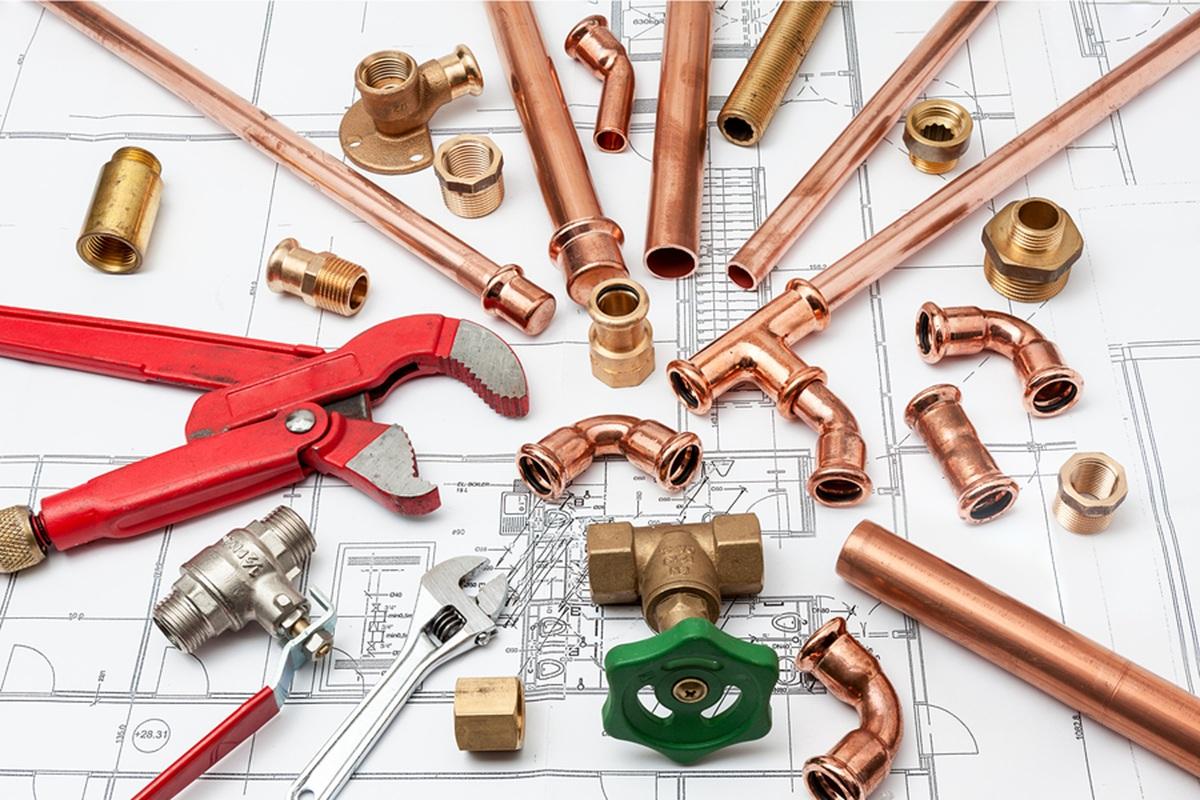
When it comes to plumbing, having the right hand tools makes all the difference between a smooth repair and a frustrating mess. An adjustable wrench is your best mate for tightening and loosening nuts and bolts of various sizes. Pliers, particularly slip-joint and tongue-and-groove varieties, help you grip pipes and fittings securely.
Pipe cutters are non-negotiable for clean, precise cuts. A tubing cutter works brilliantly for copper pipes, while a ratcheting plastic pipe cutter handles PVC with ease. Don't forget a good quality hacksaw as a backup. Teflon tape and a pipe wrench round out the essentials these simple tools handle most basic repairs around the house.
Power Tools and Specialty Equipment
For larger projects, power tools speed things up considerably. A cordless drill with various bits helps when mounting fixtures or drilling through walls. An electric drain auger tackles stubborn blockages that plungers simply can't shift.
Specialty tools come into play for specific jobs. A basin wrench reaches into tight spaces behind sinks, while a flaring tool is vital for certain copper pipe connections. As a rule of thumb, invest in quality basics first, then add specialty items as your projects demand them.
Plumbing Fixtures: Choosing the Right Options for Your Home
Taps and Mixers: Styles, Materials, and Water Efficiency
Taps and mixers are where function meets style in your bathroom or kitchen. You'll find everything from classic pillar taps to sleek mixer taps and sensor-operated options. Chrome remains the most popular finish, though brushed nickel and matte black have gained serious traction in recent years.
Water efficiency matters more than ever in Australia. Look for taps with a WELS (Water Efficiency Labelling and Standards) rating the more stars, the better. A quality tap with ceramic disc technology will last years longer than cheaper alternatives and typically offers smoother operation too.
Toilets, Basins, and Bathtubs
Choosing a toilet involves more than picking a colour. Consider the pan type (S-trap or P-trap depending on your plumbing configuration), cistern capacity, and flush rating. Dual-flush systems are standard in Australia and help conserve water significantly.
Basins come in countless styles: pedestal, wall-hung, countertop, and under-mount options all have their place. Think about your bathroom size and storage needs when deciding. Bathtubs range from compact drop-in models to luxurious freestanding designs. Acrylic tubs offer affordability and easy installation, while cast iron provides unmatched heat retention.
How Do I Choose Quality Plumbing Fixtures?
Quality fixtures share common traits: solid construction, reputable brand backing, and compliance with Australian Standards. Check for the WaterMark certification this confirms the product meets national plumbing requirements. Read reviews, ask your plumber for recommendations, and don't be swayed by the cheapest option. Spending a bit more upfront often saves replacement costs down the track.
Plumbing Supplies Materials and Pipes Explained
Copper Pipes: Pros, Cons, and Best Uses
Copper has been the gold standard in plumbing for decades, and for good reason. It's durable, corrosion-resistant, and handles both hot and cold water beautifully. Copper also has natural antibacterial properties, making it ideal for drinking water systems.
The downsides? Copper costs more than plastic alternatives and requires soldering skills for installation. It can also be prone to theft due to its scrap value. Despite these considerations, copper remains a top choice for internal water supply lines, particularly in premium builds.
PVC, CPVC, and PEX: Modern Alternatives
PVC (polyvinyl chloride) piping dominates drainage and waste applications. It's affordable, lightweight, and easy to work with. CPVC handles higher temperatures, making it suitable for hot water lines where PVC would fail.
PEX tubing has revolutionised modern plumbing. This flexible plastic piping resists scale and chlorine, installs quickly without soldering, and works brilliantly for both hot and cold water. Its flexibility means fewer fittings and connections, reducing potential leak points. Many Australian plumbers now prefer PEX for residential water supply systems.
What Type of Pipe Is Best for Drinking Water?
For drinking water, copper and PEX are your safest bets. Both meet Australian standards for potable water and won't leach harmful chemicals. Copper offers longevity and proven performance, while PEX provides cost savings and easier installation. Your choice often depends on budget and whether you're doing a full installation or repairs.
Fittings, Valves, and Connectors
Common Pipe Fittings and Their Uses
Fittings connect pipes and change direction or size as needed. Elbows create turns (90-degree and 45-degree are most common), while tees branch lines in new directions. Couplings join two pipe lengths together, and reducers connect pipes of different diameters.
The material of your fitting should match your pipe type. Copper fittings for copper pipes, brass fittings for mixed applications, and plastic fittings for PVC systems. Using mismatched materials can cause corrosion and eventual failure.
Understanding Valves: Isolation, Check, and Pressure Relief
Valves control water flow throughout your plumbing system. Isolation valves (also called stop valves) let you shut off water to specific fixtures for repairs without affecting the whole house. These are incredibly handy during emergencies.
Check valves prevent backflow, ensuring water moves in one direction only. Pressure relief valves protect your hot water system from dangerous pressure buildup. Understanding where these valves are located in your home can save you in a crisis.
Push-Fit vs Compression Fittings: Which Is Better?
Push-fit fittings have become increasingly popular for DIY projects. They simply push onto pipes without tools, making them quick and easy to install. However, they cost more per fitting and some tradies question their long-term reliability in concealed locations.
Compression fittings require tightening with a wrench but create robust, proven connections. They're reusable and generally cheaper than push-fit alternatives. For permanent installations behind walls, many professionals still prefer compression or soldered joints.
Where to Buy Plumbing Supplies in Australia
Trade Suppliers vs Hardware Stores
Trade suppliers like Reece, Tradelink, and Samios cater primarily to professionals but welcome retail customers too. They typically stock higher-quality products and offer expert advice. Prices can be better than hardware stores, especially for larger quantities.
Hardware chains like Bunnings and Mitre 10 provide convenience and competitive pricing on common items. They're perfect for weekend warriors tackling basic repairs. For specialty items or bulk purchases, trade suppliers often deliver better value and selection.
Buying Online: What to Consider
Online shopping opens up massive choice, often at competitive prices. However, make sure you're buying from reputable Australian suppliers who stock compliant products. Check return policies carefully plumbing supplies often can't be returned once opened.
Are cheaper plumbing supplies worth it? Sometimes, but not always. Budget fixtures and fittings may lack proper certifications or fail prematurely. For critical components like valves and pipes, investing in quality pays dividends. For decorative elements or temporary solutions, affordable options might suffice.
Common Plumbing Supplies Mistakes to Avoid
Choosing the wrong materials ranks among the most frequent errors. Using standard PVC for hot water applications, mixing incompatible metals, or selecting undersized pipes all lead to problems. Always research compatibility before purchasing.
Overlooking Australian Standards catches many DIYers out. Plumbing work in Australia must comply with AS/NZS 3500, and products need appropriate certifications. Non-compliant installations can void insurance, fail inspections, and create safety hazards. When in doubt, consult a licensed plumber.
Conclusion
We've covered quite a bit of ground, from essential tools and quality fixtures to pipe materials and common mistakes. Understanding plumbing supplies empowers you to make informed decisions, whether you're fixing a leaky tap or planning a complete bathroom renovation.
The key takeaway? Quality matters more than price when it comes to plumbing. Investing in proper tools, certified materials, and reputable fixtures saves headaches and money in the long run. Start with the basics, build your toolkit gradually, and don't hesitate to seek professional advice for complex projects.
So, what's your next plumbing project? Maybe it's time to replace that worn washer, upgrade to water-efficient taps, or finally tackle that bathroom reno you've been dreaming about. Whatever you're planning, you now have the knowledge to choose your supplies with confidence. Good luck, and happy plumbing!

 English
 Arabic
 French
 Spanish
 Portuguese
 Deutsch
 Turkish
 Dutch
Dutch
 Italiano
 Russian
 Romaian
 Greek
Greek