


How to Successfully Install Hardwood Flooring Over Concrete
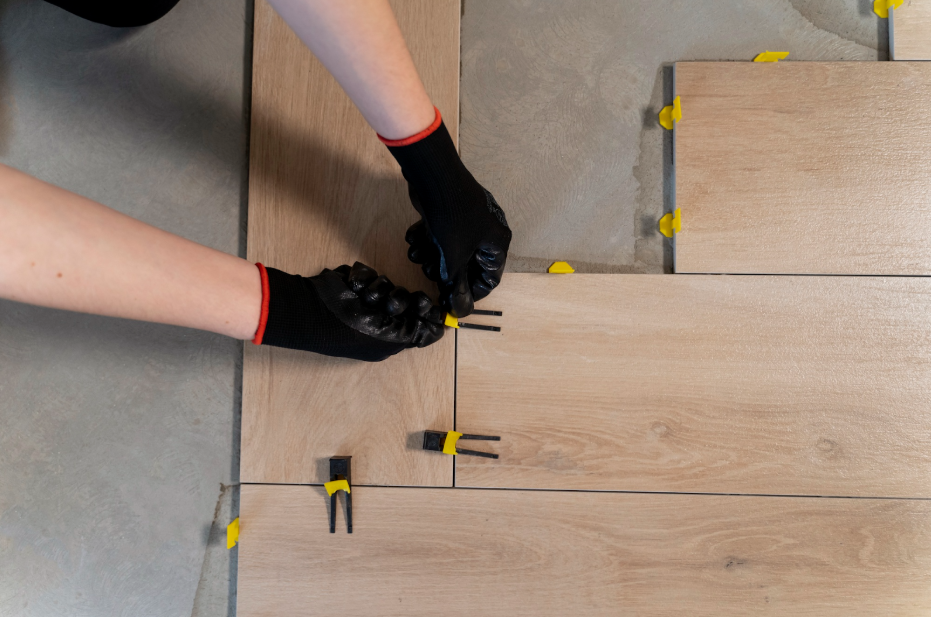
Concrete subfloors are common in many homes particularly in ground-floor rooms, basements and slab-on-grade constructions. While concrete provides a solid and stable base it also presents specific challenges that require careful planning before any flooring goes down. Installing a hardwood floor over concrete is absolutely achievable but the process demands more preparation than installation over a traditional wood subfloor. Understanding the steps involved, the materials required and the methods available will help you complete a hardwood installation that looks beautiful and lasts for many years.
This guide covers everything you need to know about wood floor over concrete projects including how to assess your concrete slab, choose the right hardwood product, prepare the surface and complete the installation correctly.
Why Concrete Subfloors Require Special Consideration
Concrete and wood have very different relationships with moisture. Concrete is a porous material that absorbs and releases moisture depending on the conditions around it. Even a slab that appears dry on the surface can emit moisture vapour from below that rises steadily upward. When wood is placed directly on or near this moisture without adequate protection it absorbs the vapour and begins to expand, swell or warp over time.
Additionally concrete is often colder than a timber subfloor and the temperature differential between the slab and the room above can create condensation at the floor level. Both moisture vapour and condensation pose a real risk to wood flooring if the installation is not prepared correctly from the outset.
Unlike SPC and LVP flooring which are fully waterproof hardwood flooring whether solid or engineered is not waterproof or water-resistant. This means moisture management is the single most critical element of any hardwood installation over a concrete subfloor.
Understanding the differences between solid and engineered hardwood is also essential before choosing which product to use over concrete. You can find a detailed comparison in this guide on understanding the differences between solid and engineered wood flooring.
Solid Hardwood vs Engineered Hardwood Over Concrete
Not all hardwood products are equally suited to installation over a concrete subfloor. The choice between solid hardwood and engineered hardwood has a significant impact on how the project should proceed and how the floor performs over time.
Solid Hardwood
Solid hardwood is milled from a single piece of timber throughout its full thickness. While it is a premium and highly durable product its construction makes it more susceptible to moisture-related movement. Solid wood expands and contracts more dramatically in response to humidity changes than engineered alternatives. For this reason most flooring manufacturers do not recommend installing solid hardwood directly on or below grade over a concrete slab.
If solid hardwood is used over concrete it must be done with extreme care. A properly installed plywood subfloor raised above the concrete with a full moisture barrier beneath it can create a suitable base for solid hardwood installation. This approach adds cost and height to the project but it addresses the moisture concern and provides a nailing surface which solid hardwood typically requires.
You can review full guidance on working with solid hardwood in this solid wood flooring installation guide.
Engineered Hardwood
Engineered hardwood flooring is the far more practical and commonly recommended choice for installing hardwood over concrete. Its multi-layer construction with a real wood veneer on top bonded to layers of plywood or high-density fiberboard provides significantly better dimensional stability than solid wood. The layered core resists the expansion and contraction caused by moisture fluctuations far more effectively.
Engineered hardwood can be successfully installed directly over a concrete slab using the glue down method or as a floating floor over appropriate underlayment. Both approaches are viable depending on the condition of the concrete and the specific product being used. This makes it the preferred product for wood floor over concrete projects in the vast majority of residential applications.
For a deeper understanding of why engineered hardwood handles moisture conditions better you can refer to this article on how engineered hardwood flooring handles moisture and humidity better than solid hardwood.
Step One: Test the Concrete for Moisture
Before any hardwood installation over concrete begins moisture testing is non-negotiable. Skipping this step is one of the most common and costly mistakes homeowners make.
There are two primary methods for testing concrete moisture levels:
Plastic Sheet Test: Tape a piece of clear plastic sheeting roughly 18 by 18 inches flat against the concrete and seal all four edges completely with tape. Leave it in place for 24 to 72 hours. If moisture droplets form on the underside of the sheet or the concrete beneath appears darker the slab is releasing too much vapour for direct hardwood installation without additional moisture mitigation.
Calcium Chloride Test: This is a more precise method that measures the rate of moisture vapour emission from the concrete. A sealed calcium chloride dish is placed on the surface and left for a set period. The result tells you exactly how many pounds of moisture the slab emits per 1000 square feet over 24 hours. Most hardwood manufacturers specify a maximum acceptable reading in their installation guidelines.
If the moisture levels exceed the manufacturer's specified threshold you will need to apply a moisture barrier or moisture-reducing primer to the concrete before proceeding. Addressing moisture problems before installation protects your entire investment.
Step Two: Assess and Prepare the Concrete Surface
Once moisture testing is complete the concrete surface itself needs to be assessed for levelness, cleanliness and overall condition.
Check for Levelness
Hardwood flooring requires a flat and level subfloor for the installation to perform well over time. The general industry standard for levelness is no more than 3/16 of an inch variation over a 10-foot span. Use a long straightedge or level across multiple areas of the floor to identify any high spots, low spots or irregular areas.
Low spots can be filled using a self-leveling concrete compound. Apply it to the depressed areas, let it flow out naturally and allow it to cure fully before continuing. High spots can be ground down using a concrete grinder. Taking the time to achieve a flat surface prevents the finished floor from flexing or developing hollow spots under traffic.
Clean the Surface Thoroughly
Remove all dust debris, oil paint residue adhesive from previous flooring and any other contaminants from the concrete surface. Grease and oil contamination prevents adhesives from bonding properly which leads to adhesion failure over time. Use a concrete degreaser where needed and allow the surface to dry completely before moving forward.
Cracks in the concrete should also be repaired before installation. Fill any significant cracks with a flexible concrete repair product and allow it to cure fully. This prevents movement in the slab from telegraphing through to the finished floor.
Step Three: Apply a Moisture Barrier
Even when moisture testing shows acceptable levels applying a moisture barrier to the concrete is strongly recommended for any wood floor over concrete project. This precautionary step provides long-term protection against any future changes in the slab's moisture output.
Moisture barriers come in several forms:
Sheet Polyethylene: A 6-mil polyethylene sheet laid over the concrete before installation provides a physical barrier against vapour migration. Seams between sheets should be overlapped by at least 8 inches and taped securely. The edges should run up the walls slightly beneath the baseboards.
Liquid-Applied Moisture Barrier: These products are rolled or troweled directly onto the concrete surface and cure into a continuous membrane. They are particularly useful when the floor will be glued down as they double as a base coat for the adhesive.
Adhesive with Moisture-Blocking Properties: Some professional-grade urethane adhesives used in glue down engineered hardwood installations contain built-in moisture-blocking technology that handles both bonding and vapour mitigation in a single step.
Step Four: Choose Your Installation Method
There are two primary methods for installing hardwood over a concrete subfloor. The right choice depends on the product you are using and the specific conditions of your project.
Glue Down Method
The glue down method is the most widely used approach for installing engineered hardwood directly over concrete. It involves applying a urethane or MS polymer adhesive to the concrete surface using a trowel and then pressing each plank firmly into the adhesive bed.
Glue down engineered hardwood creates a solid and stable floor that feels firm underfoot with no hollow sound. The adhesive bond anchors the planks directly to the slab and prevents any movement or flexing between the board and the subfloor. This is particularly important in high-traffic areas where floating floors can sometimes shift or develop noise over time.
The adhesive used for glue down engineered hardwood must be compatible with both the concrete surface and the flooring product. Always consult the manufacturer's recommendations before purchasing adhesive. Applying too much or too little adhesive compromises the bond. Work in manageable sections troweling adhesive and placing planks while the product is still within its open time.
You can find detailed guidance on the glue down approach including tips on adhesive selection in this article on how to glue down solid hardwood flooring.
Floating Floor Method
The floating method does not bond the planks to the concrete at all. Instead the engineered hardwood planks click together using a locking joint system and float over an underlayment that sits on top of the concrete. The floor moves as a single connected sheet rather than being fixed to the subfloor.
This method is faster and easier to install and can be done over a moisture barrier and underlayment without any adhesive. It is a practical choice for DIY installers and for spaces where removal or replacement of the floor may be considered in the future.
However floating floors over concrete can produce a slightly hollow sound underfoot depending on the thickness of the underlayment and the quality of the locking system. In very large open rooms floating floors may also be more susceptible to movement at the joints if temperature or humidity conditions change significantly.
For a floating installation select an underlayment with built-in moisture protection. Ensure the concrete is flat and that the underlayment is fully taped at all seams to prevent vapour migration from beneath.
Step Five: Acclimate the Hardwood
Regardless of the installation method all hardwood flooring must be acclimated to the room environment before installation. This means storing the flooring boxes in the room where they will be installed for a minimum of 48 to 72 hours. Some products and some environments may require longer acclimation periods of up to a week.
During acclimation the wood adjusts its moisture content to match the ambient conditions of the room. If flooring is installed before acclimation the planks may expand or contract after installation causing buckling gaps or joint stress.
Keep the room at its normal living temperature and humidity during acclimation. Do not store the flooring in extreme conditions or in areas that do not represent the actual installation environment.
Step Six: Install the Hardwood Flooring
With the concrete prepared moisture barrier applied adhesive or underlayment in place and planks acclimated you are ready to begin laying the floor.
Start by establishing a straight and square reference line across the room. This ensures the first row is laid correctly and that the rest of the floor follows a consistent alignment.
For glue down installations, trowel adhesive onto a manageable section of the concrete and set each plank firmly into the adhesive bed. Use a rubber mallet to press planks flat and ensure full contact with the adhesive. Stagger end joints between rows by at least 6 to 8 inches for structural integrity and visual balance.
For floating installations click each plank into the previous row at the recommended angle and press down until the joint locks. Maintain a consistent expansion gap of at least 10 to 12 millimetres around the entire perimeter of the room including at walls, door frames and fixed objects.
Allow glue down floors to cure for at least 24 hours before heavy foot traffic and 48 to 72 hours before moving furniture onto the surface.
Common Mistakes to Avoid
Hardwood installation over concrete has a higher margin for error than installation over a timber subfloor. Several mistakes appear frequently enough to be worth highlighting specifically.
Failing to test for moisture before installation is the single most common and costly error. Discovering a moisture problem after the floor has been laid often requires a complete removal and reinstallation.
Not leveling the concrete adequately leads to hollow spots flexing planks and premature joint failure. Taking the time to address levelness before installation is always worth the effort.
Using the wrong adhesive or applying it incorrectly for glue down engineered hardwood results in poor bonding and planks that lift or shift over time. Always follow the adhesive manufacturer's instructions precisely.
Skipping the expansion gap is another frequent issue. Without adequate space around the perimeter a glued or floating floor has nowhere to move as it responds to environmental changes and buckling results.
For a broader overview of installation errors to avoid you can refer to this guide on mistakes to avoid when installing solid wood flooring for a flawless finish.
Caring for Your Hardwood Floor After Installation
Once your floor is in place consistent floor maintenance is essential to protect the investment you have made. Engineered hardwood and solid hardwood are not waterproof or water-resistant so spills should always be wiped up immediately to prevent moisture from penetrating the surface or seeping into seams.
Sweep or vacuum the floor regularly using a soft brush attachment to remove grit and debris that can scratch the surface under foot traffic. Damp mop occasionally using a product specifically designed for hardwood floors. Never use excessive water steam mops or soaking wet cleaning tools.
Use felt pads under all furniture legs and consider a mat at room entrances to reduce the amount of dirt and moisture tracked onto the floor. Maintain stable indoor humidity levels between 40 and 60 percent to minimize the natural expansion and contraction of the wood.
For comprehensive guidance on keeping hardwood floors in excellent condition visit this article on how to maintain and clean different types of flooring.
Conclusion
Installing a hardwood floor over concrete is a project that rewards careful preparation. Testing and managing moisture, preparing a flat and clean surface, choosing the right product and following the correct installation method for your chosen approach are all steps that directly determine how well the finished floor performs. Engineered hardwood is the most practical and reliable choice for most concrete subfloor projects offering the warmth and character of real wood with the stability needed to perform well in this more demanding environment.
At Parma Floors we offer a wide selection of premium engineered hardwood and solid hardwood flooring suitable for a range of installation methods and subfloor conditions. Our team is ready to help you choose the right product and guide you through every stage of the process. Contact us today to discuss your project and explore our collections.
Frequently Asked Questions
Q: Is installing a hardwood floor over concrete possible without a moisture barrier?
A: It is strongly not recommended. Concrete emits moisture vapour that can damage wood flooring over time. A moisture barrier is essential to protect the integrity of any wood floor over concrete regardless of whether the slab appears dry.
Q: What is the best hardwood type for installation over concrete?
A: Engineered hardwood is the most suitable choice for concrete subfloors. Its multi-layer construction provides better dimensional stability and resistance to moisture-related movement compared to solid hardwood making it the preferred option for most projects.
Q: How long does glue down engineered hardwood take to cure before use?
A: Most adhesives used for glue down engineered hardwood require at least 24 hours before light foot traffic and 48 to 72 hours before furniture is moved back. Always follow the specific curing time stated by the adhesive manufacturer.
Q: How flat does concrete need to be before hardwood installation?
A: The standard requirement is no more than 3/16 of an inch variation over a 10-foot span. Low spots should be filled with self-leveling compound and high spots ground down before any hardwood installation proceeds.
Q: Can solid hardwood be installed over concrete?
A: It is possible but significantly more complex. A raised plywood subfloor with full moisture protection beneath it is typically required to create a suitable nailing surface and moisture barrier. Engineered hardwood is a more straightforward and reliable choice for most concrete applications.

 English
 Arabic
 French
 Spanish
 Deutsch
 Turkish
 Dutch
Dutch
 Italiano
 Russian
 Romaian
 Portuguese (Brazil)
 Greek
Greek