


Understanding the Benefits of Bay Windows in Home Design
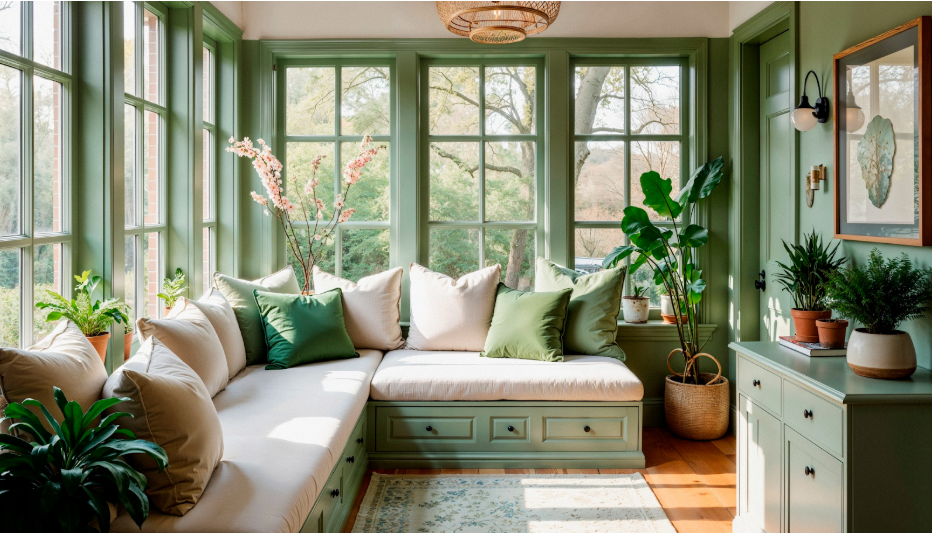
The benefits of bay windows extend well beyond their appearance. These distinctive window configurations project outward from the main wall of a home, creating an alcove that adds usable floor space, draws in natural light from multiple angles and gives both the interior and exterior of a home a sense of architectural depth. Homeowners who have lived with bay windows consistently point to how much they change the feeling of a room, not just the look of it.
Bay windows have been a feature of residential architecture for centuries. They appear in Victorian townhouses, craftsman bungalows, traditional colonial homes, and increasingly in contemporary builds where the structural projection is expressed through clean lines and large glass panels rather than ornamental detail. Their continued presence across such a wide range of styles reflects something fundamental about what they offer: more light, more space, and more connection to the outdoors.
This guide covers the practical and aesthetic advantages of bay windows, how they work in different interior settings, and what to consider when thinking about incorporating them into a home renovation or new build.
What Makes a Bay Window Different
A bay window is not simply a larger version of a standard window. It is a structural element that projects beyond the plane of the exterior wall, typically consisting of a central window flanked by two angled side windows. The most common configurations involve side panels set at 30-degree or 45-degree angles relative to the central panel, though variations exist depending on the architectural style and the space available.
This projection is what distinguishes bay windows from bow windows, picture windows, and casement windows. A bow window follows a gentle curve across multiple panels, while a picture window is a single fixed pane in a flat wall. The bay configuration creates a defined interior recess that functions almost like a small room within a room.
The structural complexity of a bay window means it requires more planning and investment than a standard window replacement. It typically involves modifying the exterior wall, adding support beneath the projecting floor, and integrating the roofline above. This investment is precisely what makes bay windows such a lasting feature of home window design rather than a surface-level upgrade.
Natural Light from Multiple Directions
One of the most significant benefits of bay windows is the quality and quantity of natural light they introduce into a space. A flat wall window captures light from a single direction. A bay window, because its panels face three different directions simultaneously, draws in light across a broader arc of the sky throughout the day.
In a room that faces east, for example, a bay window will catch morning light through the central panel while the angled side panels continue to gather light from the southeast and northeast. As the day progresses, that distribution shifts, but the room maintains a higher level of natural brightness than it would with a conventional window of the same overall width.
This multi-directional light has practical benefits beyond simple brightness. It reduces harsh shadows and creates a more even distribution of daylight across the room's interior. This is particularly valuable in living rooms and dining rooms where the quality of light affects how comfortable the space feels throughout the day.
Natural light also reduces the need for artificial lighting during daylight hours, which contributes to lower energy consumption. When combined with energy-efficient glazing, which is now standard in quality window products, the thermal performance of a bay window can be managed effectively without sacrificing the light benefits. The relationship between window design and energy efficiency is explored in detail in the guide to the benefits of installing energy-efficient windows for better insulation.
Expanded Interior Space and Usability
The physical projection of a bay window adds measurable floor space to a room. Depending on the depth of the projection and the width of the window unit, this can range from a modest ledge to a full window seat alcove capable of accommodating seating, storage, or both.
This additional space is one of the most practical benefits of bay windows because it can be used in several ways depending on the room's function. In a living room, the bay recess is a natural location for a reading nook with built-in seating and cushions. In a kitchen or dining room, it can house a breakfast banquette or a small table positioned to take advantage of the surrounding views. In a bedroom, the bay ledge often serves as a vanity area, a window seat for storage and seating, or simply a generous sill for plants and decorative objects.
The spatial addition also affects how the room feels even when the bay is not furnished as a dedicated zone. The projection breaks up the flatness of the wall plane and creates a sense of interior volume that makes the room feel larger than its square footage would suggest. This is one reason bay window interior design has remained a popular approach for rooms that need to feel more expansive without structural changes to the surrounding walls.
Architectural Character and Curb Appeal
From the exterior, a bay window adds genuine architectural interest to a home's facade. The projection creates depth and shadow that flat wall planes cannot produce, giving the building a more considered and finished appearance. This is true whether the bay is expressed in a traditional style with brick or stone detailing at the base, or in a contemporary style with clean cladding and minimal framing.
Modern bay windows have evolved considerably in their design language. Contemporary versions tend to feature larger glass areas, slimmer frames, and cleaner transitions between the window panels and the surrounding wall. This approach suits homes with contemporary or transitional architecture where the emphasis is on openness and connection to the landscape rather than historical ornamentation.
For traditional homes, bay windows with divided lite patterns, wood framing, and decorative brackets beneath the projecting floor can add significant historical character. These details communicate craftsmanship and attention to architectural authenticity in a way that resonates particularly well in neighborhoods with heritage homes.
In either case, a bay window increases the curb appeal of a home in a way that is difficult to replicate with other window types. The projection is visible from the street and reads as a deliberate architectural feature rather than a functional addition. This matters both for the daily experience of the home and for its market value when the time comes to sell.
Bay Window Interior Design Possibilities
The interior of a bay window creates design opportunities that flat walls simply cannot offer. The recess, the sill, and the angled side panels together form a framework that can be developed in many directions depending on the room's purpose and the homeowner's priorities.
Window Seat with Storage
The most common and practical approach to bay window interior design is the built-in window seat. A platform built across the base of the bay, fitted with a cushion and hinged seat panels that open to reveal storage below, makes efficient use of the projecting space while adding genuine comfort to the room. This works particularly well in living rooms, reading rooms, children's bedrooms, and any space where additional seating or storage is useful.
The key to making a window seat work well is proportion. The seat height should be comfortable for sitting, typically between 17 and 20 inches from the floor, and the depth should be sufficient to sit against the back cushion without feeling cramped. Built-in bookshelves flanking the bay on either side extend the storage logic and create a complete alcove that feels like a purposeful room element rather than an afterthought.
Dining Area Integration
In a kitchen or dining room setting, a bay window projection can accommodate a small table and bench seating in a configuration that feels both intimate and well-lit. The surrounding glass panels mean diners are partially enclosed by the view, which creates a distinctive atmosphere that flat wall seating cannot replicate.
This approach to home window design works best when the bay faces a garden, courtyard, or other appealing outdoor view. The dining area becomes a place where the boundary between inside and outside feels genuinely permeable, which enhances the experience of meals and casual gatherings.
Plant and Display Ledge
The generous sill depth of a bay window and its multi-directional light exposure make it an exceptional location for plants. Herbs, trailing plants, and flowering specimens all thrive in the varied light conditions that a bay window provides throughout the day. Arranging plants along the sill and lower panels creates a living connection between interior and garden that adds warmth and texture to the room.
Beyond plants, the sill and side panels can be used for displaying objects that benefit from natural light, including ceramics, glassware, and other decorative items that take on a different quality when light passes through or around them.
Home Office Nook
A bay window projection in a spare bedroom or study provides a natural location for a compact home office setup. A desk built across the width of the bay, positioned to face outward toward the view, creates a working environment that benefits from natural light and a sense of spatial separation from the rest of the room. This approach to bay window interior design has become increasingly popular as more people work from home and look for ways to create dedicated workspace within existing rooms.
Ventilation and Airflow
Bay windows offer ventilation advantages that flat wall windows do not. Because the side panels are angled outward from the wall plane, they can be opened to catch cross breezes from directions that a flat window would not reach. When both side panels are open simultaneously, they create a natural scoop effect that draws air into the room from a wide arc.
This is particularly useful in rooms where airflow can be difficult to manage, such as corner rooms or spaces with limited wall area for additional windows. The angled configuration of bay windows allows them to function as effective ventilation points even when the prevailing wind direction is not directly perpendicular to the wall.
For homeowners thinking about ventilation in relation to window choice, exploring how different window types manage airflow is a worthwhile part of the selection process. The guide to how large horizontal sliding windows improve ventilation and comfort offers a useful comparison point for understanding how window configuration affects airflow patterns.
Energy Performance Considerations
Bay windows involve more glass area and more complex framing than standard flat wall windows, which means energy performance deserves careful consideration. The good news is that modern glazing technology has significantly reduced the thermal penalty associated with large glass areas.
Double and triple-glazed units with low-emissivity coatings reduce heat transfer through the glass panels substantially. Thermally broken frame profiles prevent conduction through the structural elements. And proper installation with continuous insulation and air sealing at the perimeter of the bay projection prevents the drafts and cold spots that older bay windows were often associated with.
The base of the bay projection, the floor area that extends beyond the main wall, requires insulation beneath it to prevent heat loss downward. This is a detail that is sometimes overlooked in older homes with original bay windows, and it can account for a noticeable improvement in comfort when addressed during a renovation.
Choosing energy-efficient glazing for a bay window is not a compromise between performance and appearance. Quality glazing is available in configurations that suit every design approach, from traditional divided lites to large contemporary panels. For guidance on what to look for in energy-efficient window products, how to choose the best windows for natural light and energy efficiency covers the key specifications in accessible terms.
Home Value and Return on Investment
Bay windows consistently rank among the window improvements that add measurable value to a home. The combination of visual appeal, added floor space, and improved light quality makes them attractive to buyers who understand what they are looking at. In competitive real estate markets, a well-designed bay window in a living room or master bedroom can be a meaningful differentiator.
The return on investment varies depending on the quality of the window, the installation, and the local market. However, the value added tends to be greater than the cost of the installation in most residential settings, particularly when the bay window is part of a broader renovation that improves the home's overall condition and appearance.
Beyond financial return, the day-to-day quality of life improvement that comes from living with a well-designed bay window is significant. More light, more space, and a stronger connection to the outdoor environment all contribute to how enjoyable a home is to live in, which is ultimately the most important measure of any renovation decision.
Modern Bay Windows in Contemporary Home Design
Modern bay windows have shed many of the ornamental features associated with historical examples while retaining the fundamental spatial advantages. Contemporary versions often feature floor-to-ceiling glass panels with minimal visible framing, creating a dramatic visual connection between the interior and the landscape. The projecting structure is expressed in clean architectural terms, sometimes clad in the same material as the surrounding wall, so the bay reads as a volumetric extension of the building rather than an applied decorative element.
This approach to home window design suits a wide range of contemporary architectural styles. In open-plan living areas, a modern bay window projection can define a particular zone within the larger space, giving it a sense of enclosure and intimacy without physical separation. In bedrooms, a projecting bay with floor-to-ceiling glass creates a dramatic focal point and a genuinely immersive connection to the view outside.
The choice of window style within the bay can also vary to suit the application. Fixed panels maximize the glass area and minimize visual interruption, while operable casement or awning panels within the bay allow for ventilation without compromising the clean contemporary aesthetic. The benefits of casement windows for better ventilation are worth understanding in this context, as casement configurations are often the most practical choice for the operable panels within a bay unit.
What to Consider Before Installing a Bay Window
Installing a bay window involves structural work that goes beyond a standard window replacement. The following considerations are worth addressing early in the planning process.
Structural support: The projecting floor of a bay window needs structural support, either from below via posts or knee wall, or via a cantilevered structure from the floor framing inside. This requires assessment by a qualified contractor or structural engineer.
Roofline integration: The bay needs a roof section above it, whether that is a continuation of the main roof, a separate shed or hipped roof, or a flat roof with waterproof membrane. The transition between the bay roof and the main wall needs to be detailed carefully to prevent water ingress.
Interior headroom: The ceiling inside the bay can follow the main room ceiling or step down to a lower soffit. The choice affects how the bay reads from inside and how much visual connection it creates with the room.
Permit requirements: Most bay window installations require a building permit because they involve changes to the exterior wall and structural elements. Confirming permit requirements with your local authority before beginning work avoids complications during and after construction.
Glazing specification: As discussed above, the energy performance of the glazing is an important consideration. Specifying the correct glazing package for your climate zone ensures the bay performs as expected year-round.
Conclusion
The benefits of bay windows are both practical and experiential. They bring more light into a room than any flat wall window configuration, add usable floor space that can be developed in multiple ways, strengthen the architectural character of a home from the outside, and create interior design opportunities that are genuinely unique to this window type. Modern bay windows deliver all of these advantages with energy performance levels that make them a responsible choice alongside their visual appeal.
Whether the goal is to transform a living room with a reading nook, add a dining alcove in a kitchen, or simply introduce more light and connection to the outdoors in a bedroom, bay windows offer a solution that improves both the daily experience and the long-term value of the home. FMD Distributor carries a range of window products suited to different architectural styles and performance requirements. Exploring the available options with the guidance of their knowledgeable team will help you find the right configuration for your home.
FAQs
Q: What is the main structural difference between a bay window and a bow window?
A: A bay window projects from the wall with a flat central panel and two angled side panels, creating a defined angular recess. A bow window follows a gentle curve across four or more panels. Bay windows tend to create a more defined interior alcove, while bow windows produce a softer, more curved effect.
Q: Do bay windows make a room significantly warmer in winter?
A: With modern energy-efficient glazing, bay windows do not create significant heat loss. Older single-glazed bay windows can feel cold in winter, but double or triple-glazed units with low-emissivity coatings manage heat transfer effectively. Insulating the projecting floor base is also important for maintaining comfort.
Q: What is the best room in the house for a bay window?
A: Living rooms and dining rooms benefit most from bay windows because of the light quality, the spatial addition, and the opportunity for window seat or dining alcove design. Bedrooms are also excellent candidates, particularly when the bay faces a garden or appealing outdoor view.
Q: How much does a bay window typically add to a home's value?
A: The added value varies by market and installation quality, but bay windows generally return a meaningful proportion of their installation cost in added home value. Beyond financial return, the improvement to daily comfort and light quality makes them one of the more rewarding window investments available.
Q: Can modern bay windows be installed in a contemporary home without looking out of place?
A: Modern bay windows designed with clean lines, minimal framing, and large glass panels integrate naturally into contemporary architecture. The key is choosing a configuration and finish that matches the home's existing design language rather than defaulting to a historically referenced profile.

 English
 Arabic
 French
 Spanish
 Portuguese
 Deutsch
 Turkish
 Dutch
Dutch
 Russian
 Romaian
 Portuguese (Brazil)
 Greek
Greek