


How to Build a Simple Bathroom Vanity That Looks Professional
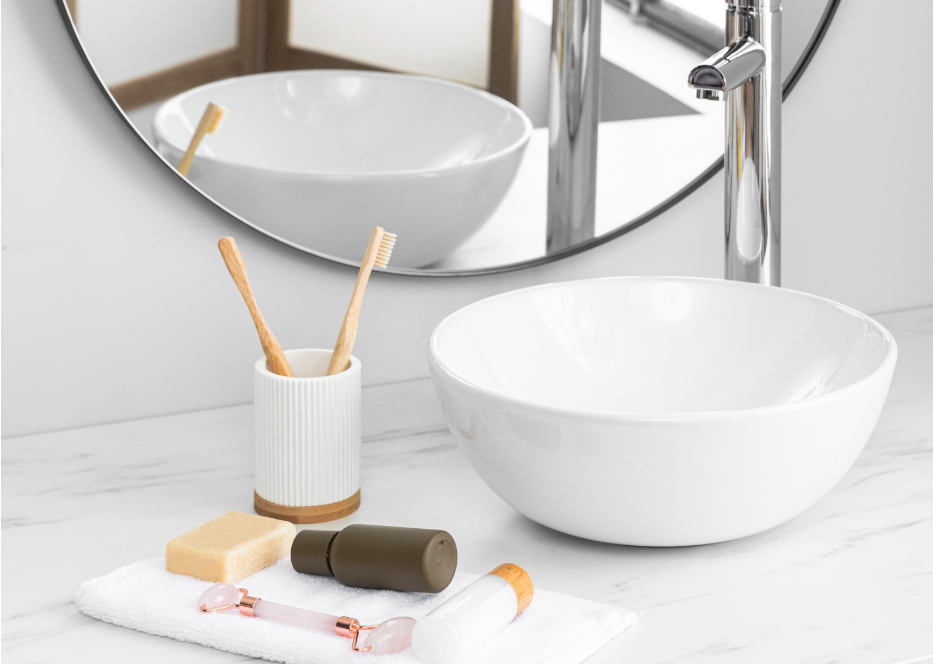
A bathroom vanity is one of the most impactful elements in any bathroom. It anchors the space visually, provides essential storage and frames the sink and mirror area. While purchasing a ready-made unit is always an option, building your own gives you full control over dimensions, materials and style. Understanding how to build a simple bathroom vanity is more accessible than most homeowners expect, and the result is a piece that fits your space perfectly and reflects your personal taste.
This guide walks through the full process from planning and material selection to assembly and finishing. Whether you are updating a small guest bathroom or taking on a more involved primary bathroom project, these steps give you a clear and practical path forward.
Why Build a Custom Bathroom Vanity?
The most compelling reason to build a custom bathroom vanity is fit. Standard vanity sizes come in set widths and depths, and bathrooms rarely conform to those standard measurements. A custom build allows you to use every inch of available space without compromise.
Beyond fit, a DIY vanity build gives you control over storage configuration, door style, finish color and hardware selection. You can design the interior to suit your actual storage needs rather than working around the compartments a factory-made unit provides. For simple bathrooms with limited square footage, a custom build can incorporate a more compact footprint than any off-the-shelf option while maximizing interior storage.
There is also cost efficiency to consider. A custom bathroom vanity built with quality materials can cost significantly less than a comparable store-bought unit at the same level of finish. The labor you invest is offset by the savings on the product itself.
Planning Your Vanity Build
Before purchasing any materials or picking up a single tool, thorough planning makes the difference between a build that goes smoothly and one that encounters constant setbacks.
Measuring the Space
Start with precise measurements of the area where the vanity will sit. Record the width of the available wall space, the depth from the wall to where the vanity will end and the desired height. Standard vanity heights range from 30 to 36 inches. Comfort-height vanities at around 36 inches have become increasingly popular because they align with standard kitchen counter height and feel more ergonomic for adults.
Leave clearance on either side if the vanity is not wall-to-wall. You also need to account for door swing clearance, toilet proximity and the depth needed for comfortable movement in front of the vanity. Mark the location of any wall studs in the installation area before you begin building, as you will need these reference points during installation.
Deciding on Style and Configuration
A simple bathroom vanity build typically uses a basic box construction: two side panels, a top rail, a bottom panel and a back panel. You can add a fixed center shelf for additional interior storage. Doors can be inset or overlay depending on your aesthetic preference.
Think through your vanity design ideas before committing to the cut list. Consider whether you want open shelving on one side, a mix of drawers and doors or a single large cabinet space. If two people use the bathroom regularly, maximizing accessible storage on both sides of the sink makes practical sense. For additional design inspiration, the guide on how to pick a bathroom vanity that complements your bathroom design offers a useful perspective on matching vanity style to overall bathroom aesthetics.
Choosing a Sink and Countertop First
The sink and countertop selection should happen before you finalize your vanity dimensions. An undermount sink requires a specific cutout size in the countertop and influences the depth and width of the vanity cabinet. A vessel sink sits on top of the countertop and changes the required countertop thickness and faucet height.
Lock in your sink and countertop choices early because they determine your build dimensions and cabinet height. This sequencing saves you from having to adjust finished work later.
Materials for a Simple Bathroom Vanity Build
Material selection is critical for a bathroom build because of the humidity. Bathrooms experience regular moisture from steam and splashing, so materials must be able to handle that environment without warping or degrading.
Plywood
Cabinet-grade plywood is the preferred material for a DIY bathroom vanity build. It is structurally stable, handles humidity far better than MDF or particle board and holds screws well. Three-quarter inch plywood is the standard thickness for the main cabinet box components: side panels, top rail, bottom panel and fixed shelves. Half-inch plywood works well for the back panel.
Birch plywood is a popular choice because of its smooth face veneer, which paints or stains beautifully. If you plan to paint the vanity, sanding the face with fine-grit sandpaper before priming gives you a smooth final surface.
MDF for Door Faces
While MDF is not ideal for the structural components of a bathroom cabinet, it is a reasonable choice for door faces because it takes paint exceptionally well and does not show grain. Just ensure the edges are sealed thoroughly with primer before painting to prevent moisture absorption. The guide on how to choose the best material for kitchen cabinets covers material performance in detail, and many of those principles apply equally to bathroom cabinetry.
Solid Wood for Face Frame and Doors
If you want a traditional framed cabinet look, building a face frame from solid wood gives the vanity a polished, furniture-like appearance. A simple face frame uses vertical stiles and horizontal rails joined at the corners and glued to the front of the cabinet box. Hardwoods like maple and poplar are common choices because they are affordable, widely available and paint or stain well.
Hardware
Choose moisture-resistant hinges for a bathroom application. Stainless steel or nickel-plated European-style hinges handle humidity without corroding. Soft-close hinges add a quality feel to the finished piece and reduce wear on the cabinet over time. For drawer hardware, side-mount or undermount slides with a smooth action are easy to install and perform reliably. Your hardware selection also includes the handles or knobs you choose for the doors and drawers, which contribute significantly to the overall visual style of the vanity. The guide on how to choose the best cabinet hardware for your kitchen provides a clear framework for hardware selection that applies to bathroom vanities as well.
Step-by-Step Build Process
With your plan finalized and materials gathered, the build follows a straightforward sequence.
Step 1: Cut Your Panels
Transfer your dimensions to your plywood sheets and make your cuts. A circular saw with a straightedge guide gives you clean, straight cuts. A table saw provides even more precision if one is available. Cut all box components first: two side panels, the top rail, the bottom panel and the back panel. If you are adding a fixed shelf, cut that piece as well.
Label each piece as you cut it to avoid confusion during assembly.
Step 2: Assemble the Cabinet Box
Start by attaching the bottom panel to the two side panels using wood screws and wood glue. Pre-drill all screw holes to prevent the plywood from splitting. Use a carpenter's square to check that corners are perfectly square before the glue sets, because a cabinet box that is out of square will cause alignment problems with doors and drawers later.
Once the bottom and sides are joined, attach the top rail across the front of the cabinet. This rail also provides the attachment point for the countertop. Attach the back panel last. The back panel is not a structural component in the same way as the sides and bottom, but it squares the box and prevents racking.
Step 3: Build and Attach the Face Frame
If you are building a framed vanity, cut your face frame stiles and rails from solid wood. The stiles run the full height of the cabinet on the left and right edges. The rails run horizontally between them at the top and bottom. Join the frame using pocket screws and wood glue for a strong connection.
When the glue is dry, spread an even layer of wood glue across the front edges of the cabinet box and clamp the face frame into position. Allow it to dry fully before moving on. The face frame should be flush with the inside of the cabinet opening and overhang the sides by a consistent amount.
Step 4: Build and Hang the Doors
Cut your door panels from either plywood or MDF. For a simple flat-panel door, the panel itself is the door. For a shaker-style door, you will build a frame from solid wood rails and stiles with a center panel floated inside.
Sand the door faces smooth before finishing. Install hinges on the doors first, following the manufacturer's instructions for placement. Mount the hinge plates to the interior of the cabinet box and hang the doors. European hinges allow adjustment in three directions after hanging, which makes getting the doors perfectly aligned much easier. If you are choosing between inset and overlay configurations, overlay doors are more forgiving for a first-time build because the margin between the door and the face frame does not need to be as precise.
Step 5: Install Drawer Boxes and Slides
If your design includes drawers, cut the drawer boxes from half-inch or five-eighths-inch plywood. The drawer box should be approximately one inch narrower than the opening on each side to accommodate the slide hardware. Install the cabinet-side slides first, following the manufacturer's specified height placement. Attach the drawer box sides to the drawer slides and test the action before attaching the drawer face.
Step 6: Sand, Prime and Paint or Stain
Fill any screw holes and gaps with wood filler and allow it to dry. Sand all surfaces starting with a medium-grit paper and finishing with fine-grit to prepare the surface for finishing. Remove all dust with a tack cloth before applying primer.
For a painted finish, apply two coats of a high-quality cabinet primer and sand lightly between coats. Follow with two to three coats of cabinet-grade paint in your chosen color. Semi-gloss or satin sheens are practical choices for bathroom environments because they are easier to clean and more resistant to moisture than flat finishes.
For a stained finish on solid wood, apply a wood conditioner first if using a softer wood species, then apply stain and finish with two to three coats of polyurethane for moisture protection.
Step 7: Install the Countertop and Sink
Set the countertop on top of the cabinet box and secure it from below using screws through the top rail. Do not overtighten on stone or solid surface countertops. Follow your countertop manufacturer's instructions for securing the specific material.
Install the sink according to the type you have chosen. Undermount sinks attach to the underside of the countertop with mounting clips and silicone. Drop-in sinks rest in a cutout and seal with silicone around the rim. Vessel sinks simply sit on the countertop surface and connect to the drain assembly below.
Step 8: Install and Level the Vanity
Move the completed vanity into position and check it for level in both directions. Use shims under the base to correct any variation in the floor. Once level, secure the vanity to the wall by driving screws through the back panel into wall studs. This is especially important for floating-style installations where the vanity is wall-mounted without a base.
Connect the plumbing, install your chosen faucet and attach your hardware to the doors and drawers. Caulk the seam between the vanity and the wall with a mold-resistant bathroom caulk.
Finishing Touches That Elevate the Look
The difference between a vanity that looks homemade and one that looks professionally built often comes down to the finishing details. Taking time with these final steps is what gives simple bathrooms a polished, intentional appearance.
Consistent reveal around door faces, handles centered precisely on door fronts, caulk lines that are clean and smooth and a finish that is free of brush marks or roller stipple all contribute to a professional result. A frameless mirror mounted above the vanity that coordinates with the hardware finish ties the whole design together. The guide on space-saving modern floating bathroom vanity offers additional perspective on achieving a clean, contemporary look in bathroom design.
Installing under-cabinet LED lighting or a simple bathroom light bar above the mirror completes the functional setup and transforms the visual presentation of even simple bathrooms significantly.
When a Ready-Made Vanity Makes More Sense
Building a custom bathroom vanity requires time, tools and comfort with basic woodworking. It is a rewarding project for homeowners who enjoy hands-on work and want precise control over the result. However, if your schedule, skill level or tool access makes the build feel impractical, a professionally manufactured vanity from a quality supplier delivers the same principles of fit, finish and storage in a ready-to-install format.
FMD Cabinets offers a range of bathroom vanities designed for modern homes, including floating options and double sink configurations for shared bathrooms. Their construction standards align with the same material quality principles discussed in this guide.
Conclusion
Learning how to build a simple bathroom vanity is a genuinely achievable project when you approach it with a clear plan and the right materials. The process of building a custom bathroom vanity rewards careful preparation. Precise measurements, quality plywood construction, moisture-resistant hardware and a well-applied finish are the fundamentals that determine whether the result looks professional or falls short.
Whether you are working with a compact layout in simple bathrooms or a larger primary bathroom with more design flexibility, the principles in this guide give you a solid foundation. The vanity design ideas here are starting points that you can adapt to match your specific space and aesthetic.
For those who prefer a professionally built product, explore the curated selection of bathroom vanities at FMD Cabinets and schedule a free consultation to find the right fit for your bathroom.
FAQs
Q: What type of plywood is best for building a bathroom vanity?
A: Cabinet-grade birch plywood is the most common choice. It is structurally stable, handles bathroom humidity well and provides a smooth surface for painting or staining. Use three-quarter inch thickness for the main box components and half-inch for the back panel.
Q: Do I need professional plumbing skills to install a DIY vanity?
A: Basic plumbing connections for a vanity, such as attaching the drain assembly and supply lines, are manageable for most homeowners with some DIY experience. If you are moving drain or supply line locations within the wall, that work is best handled by a licensed plumber to avoid leaks or code issues.
Q: How do I choose the right size for a custom bathroom vanity?
A: Measure your available wall space and subtract a few inches on each side for clearance. Factor in door swing, toilet proximity and comfortable movement space in front of the vanity. Choose a depth between 18 and 24 inches depending on your layout and how much countertop space you want.
Q: What finish is most durable for a bathroom vanity?
A: Semi-gloss or satin cabinet paint with a high-quality primer is practical and durable for painted vanities. For wood finishes, two to three coats of polyurethane over stain provide good moisture resistance. Avoid flat finishes in bathroom environments as they are harder to clean and less resistant to moisture.
Q: Can I build a floating bathroom vanity using this same process?
A: Yes. A floating vanity uses the same box construction but is mounted directly to the wall without a base. The wall must be able to support the weight of the cabinet, countertop and sink contents. You will need to locate and use wall studs for a secure mount, and the installation requires more precision in leveling than a floor-supported unit.

 English
 Arabic
 French
 Portuguese
 Deutsch
 Turkish
 Dutch
Dutch
 Italiano
 Russian
 Romaian
 Portuguese (Brazil)
 Greek
Greek