


The Complete Guide to Ductwork Replacement: Everything You Need to Know
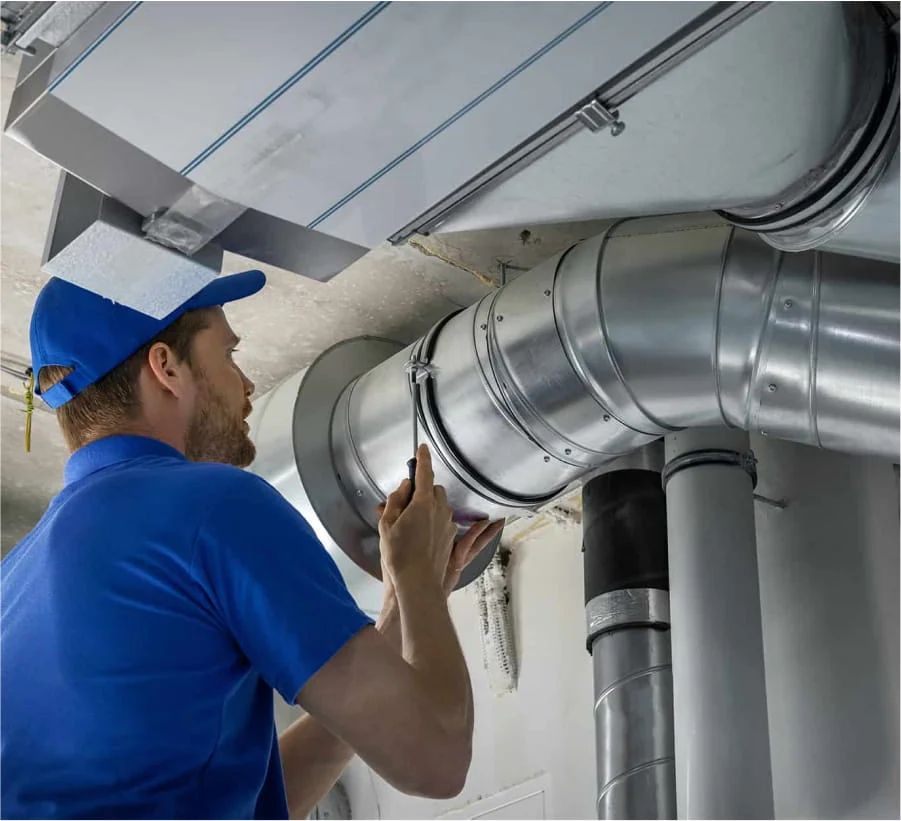
If your HVAC system isn’t performing efficiently or your energy bills are rising, it might be time to consider ductwork replacement. Ducts play a crucial role in distributing heated and cooled air throughout your home. Over time, duct systems can deteriorate, become leaky, or clogged, reducing efficiency and comfort. This guide covers everything you need to know about ductwork replacement, from identifying problems to costs, materials, and professional solutions.
What Is Ductwork and Why Is It Important?
Ductwork is the system of channels that carry conditioned air from your HVAC system to every room in your home or building. Properly functioning ductwork:
-
Ensures even heating and cooling in every room
-
Helps maintain healthy indoor air quality
-
Reduces energy consumption by preventing leaks
-
Protects your HVAC system from unnecessary strain
Neglecting duct issues can lead to discomfort, higher energy bills, and increased wear on your HVAC system, making ductwork replacement a critical home improvement.
Signs You May Need Ductwork Replacement
Recognizing the early signs of duct problems can save you time and money. Common indicators include:
1. Uneven Temperatures
Rooms that are consistently too hot or too cold may indicate damaged, leaky, or poorly designed ducts.
2. Rising Energy Bills
Leaky or inefficient ductwork forces your HVAC system to work harder, which increases energy consumption and monthly bills.
3. Strange Noises
Whistling, rattling, or banging noises coming from vents often signal loose, disconnected, or damaged ducts.
4. Excess Dust and Debris
Leaky ducts can pull in dust and debris from attics, basements, or crawl spaces, circulating allergens and reducing air quality.
5. Musty or Unpleasant Odors
If your ducts have mold or moisture damage, unpleasant smells can spread throughout your home.
Common Causes of Ductwork Damage
Understanding what causes duct damage helps homeowners prevent problems in the future. Common causes include:
-
Age: Ducts over 15–20 years old may develop cracks, leaks, or corrosion.
-
Poor Installation: Incorrect installation can lead to misaligned or disconnected duct sections.
-
Moisture Damage: Uninsulated ducts can collect condensation, leading to mold growth.
-
Pests: Rodents or insects can damage duct materials.
-
Physical Impact: Renovations or accidents may cause damage to existing ductwork.
Benefits of Ductwork Replacement
Replacing old or damaged ductwork provides numerous advantages:
-
Energy Efficiency: Sealed and insulated ducts reduce energy loss.
-
Consistent Comfort: Ensures even heating and cooling throughout your home.
-
Improved Air Quality: Reduces dust, allergens, and mold exposure.
-
Extended HVAC Lifespan: Prevents system overwork, reducing wear and tear.
-
Environmental Benefits: Lower energy consumption decreases your carbon footprint.
Types of Ductwork
Choosing the right type of ductwork is essential for efficiency, durability, and comfort.
1. Sheet Metal Ducts
-
Durable and long-lasting
-
Resistant to pests and mold
-
Requires professional installation
2. Flexible Ducts
-
Easy to install in tight spaces
-
Less expensive than metal ducts
-
Prone to kinks or sagging if not installed correctly
3. Fiberglass-Lined Ducts
-
Helps reduce noise
-
Provides insulation
-
Must be handled carefully to avoid fiber shedding
4. Fabric Ducts
-
Lightweight and efficient for commercial spaces
-
Requires specialized installation
-
Offers excellent airflow and even distribution
How to Determine If You Need Ductwork Replacement
Not every duct issue requires full replacement. Consider ductwork replacement if:
-
Multiple leaks or sections are damaged
-
Ducts are over 15–20 years old
-
Mold or pest infestations are present
-
Insulation is missing or degraded
-
HVAC system performance doesn’t improve after repairs
Professional inspections using tools like duct cameras, smoke tests, or blower door tests can reveal hidden issues.
DIY vs. Professional Ductwork Replacement
DIY Considerations
Minor repairs such as sealing small leaks or replacing vent covers can sometimes be done by homeowners. However, full duct replacement is complex and requires:
-
Proper measurements and sizing
-
Knowledge of airflow and HVAC balancing
-
Correct materials and insulation
Professional Replacement
Hiring a certified HVAC contractor ensures:
-
Accurate installation and system balance
-
Compliance with building codes
-
Warranty coverage for labor and materials
-
Long-term efficiency and improved indoor air quality
Step-by-Step Process of Professional Ductwork Replacement
-
Inspection and Assessment: Professionals identify leaks, damage, and airflow issues.
-
System Design: New duct layout is designed for optimal airflow and efficiency.
-
Old Duct Removal: Damaged or outdated ducts are carefully removed.
-
Installation of New Ducts: Sheet metal, flexible, or insulated ducts are installed.
-
Sealing and Insulation: Ducts are sealed with mastic or foil tape and properly insulated.
-
Testing and Balancing: HVAC system is tested to ensure even airflow and temperature distribution.
Cost of Ductwork Replacement
Costs vary based on home size, duct material, and labor. Typical ranges:
-
Small homes: $1,000 – $3,000
-
Medium homes: $3,000 – $6,000
-
Large homes/full system replacement: $6,000 – $10,000+
Investing in ductwork replacement can reduce energy bills and prevent future repair costs.
Maintaining Your New Ductwork
Proper maintenance ensures long-term performance and efficiency:
-
Regular Inspections: Every 2–3 years
-
Clean or Replace Filters: Every 1–3 months
-
Seal Leaks Promptly: Even small leaks can reduce efficiency
-
Keep Vents Clean: Dust and debris reduce airflow
-
Professional Cleaning: Periodic duct cleaning prevents buildup of allergens and dust
Modern Solutions in Ductwork Replacement
1. Aeroseal Technology
Seals leaks from inside ducts using aerosolized sealant, effective for hard-to-reach areas.
2. Smart Duct Monitoring
Sensors detect airflow problems and leaks in real-time, allowing proactive maintenance.
3. Energy-Efficient Materials
New ducts use insulated, mold-resistant materials to improve longevity and efficiency.
Environmental Benefits of Ductwork Replacement
Replacing old or leaky ducts reduces energy consumption and lowers your carbon footprint. Properly sealed and insulated ductwork can reduce your HVAC energy use by 20–30%, helping your home become more sustainable.
Common Mistakes to Avoid During Ductwork Replacement
-
Using standard duct tape instead of HVAC-grade sealants
-
Skipping insulation
-
Attempting complex replacements without professional help
-
Neglecting airflow balancing after installation
Avoiding these mistakes ensures a durable and efficient duct system.
How Often Should You Replace Ductwork?
-
Minor repairs: As needed for leaks or blockages
-
Major replacement: Every 15–20 years or when system efficiency drops
-
Full replacement: When ducts are severely damaged, mold-infested, or inefficient
Frequently Asked Questions About Ductwork Replacement
1. How long does ductwork replacement take?
Typically 1–3 days depending on home size and system complexity.
2. Will ductwork replacement reduce my energy bills?
Yes, properly sealed and insulated ducts can reduce energy costs by 10–30%.
3. Can I replace ducts myself?
Minor repairs may be DIY, but full replacement should be handled by certified professionals.
4. How do I know which type of duct is best?
Professional assessments consider HVAC system type, home layout, and airflow needs.
5. Does ductwork replacement improve air quality?
Yes, replacing old or mold-infested ducts improves indoor air quality and reduces allergens.
Conclusion
Ductwork plays a vital role in comfort, energy efficiency, and indoor air quality. Neglecting duct issues can lead to higher energy bills, uneven heating or cooling, and potential health hazards. Investing in professional ductwork replacement ensures long-term comfort, reduced energy consumption, and healthier indoor air.
Regular inspections, proper installation, and maintenance are essential for extending the lifespan of your duct system and maximizing HVAC efficiency. If your ducts are old, damaged, or inefficient, consult a certified HVAC contractor for a professional ductwork replacement.

 English
 Arabic
 French
 Spanish
 Portuguese
 Deutsch
 Turkish
 Italiano
 Russian
 Romaian
 Portuguese (Brazil)
 Greek
Greek