


HVLS Ceiling Fan Buying Guide: Key Features, Benefits, and Installation Tips
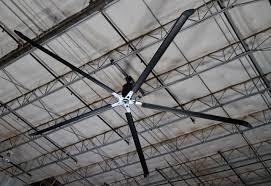
In large commercial and industrial spaces, maintaining proper airflow and temperature control can be challenging. High-Volume Low-Speed (HVLS) ceiling fans have become a popular solution for warehouses, factories, gyms, and retail environments due to their ability to move large volumes of air efficiently. This comprehensive guide will help you understand the key features, benefits, and installation tips for choosing the right HVLS ceiling fan for your facility.
What Is an HVLS Ceiling Fan?
An HVLS ceiling fan is a large-diameter fan designed to rotate at low speeds while moving a significant amount of air. Unlike traditional high-speed fans, HVLS fans create a gentle, consistent airflow that covers a wide area. These fans typically range from 7 to 24 feet in diameter and are ideal for spaces with high ceilings and large floor areas.
Key Features to Look for in an HVLS Ceiling Fan
1. Fan Size and Diameter
The size of the fan is one of the most important factors to consider. Larger fans can cover more area and provide better airflow distribution.
- Small facilities: 8–12 feet fans
- Medium spaces: 12–18 feet fans
- Large warehouses: 18–24 feet fans
Selecting the right size ensures optimal performance and energy efficiency.
2. Airflow Capacity (CFM)
Airflow capacity, measured in cubic feet per minute (CFM), determines how much air the fan can move. Higher CFM ratings are ideal for larger spaces or facilities with higher heat loads. Always match the CFM rating to your facility’s size and ventilation needs.
3. Motor Efficiency
Modern HVLS fans are equipped with energy-efficient motors, often using direct-drive technology. These motors:
- Reduce energy consumption
- Operate quietly
- Require less maintenance compared to traditional belt-driven systems
Choosing a high-efficiency motor can significantly lower long-term operating costs.
4. Blade Design and Material
The number, shape, and material of the blades influence airflow and durability.
- Aluminum blades: Lightweight and corrosion-resistant
- Composite blades: Strong and designed for maximum airflow efficiency
Aerodynamically designed blades ensure smooth and effective air movement.
5. Control Options
Advanced control systems allow better management of airflow and energy use. Options may include:
- Variable speed controls
- Remote or wall-mounted panels
- Smart controls with temperature or humidity sensors
These features provide flexibility and improve overall efficiency.
Benefits of HVLS Ceiling Fans
1. Improved Air Circulation
HVLS fans distribute air evenly across large areas, eliminating hot and cold spots. This helps maintain a consistent indoor environment, especially in facilities with high ceilings.
2. Energy Savings
By improving air circulation, HVLS fans reduce the need for excessive heating or cooling. They allow HVAC systems to operate more efficiently, leading to significant energy savings over time.
3. Enhanced Comfort
The gentle breeze created by HVLS fans produces a cooling effect, making workers feel more comfortable even in warm conditions. This reduces heat stress and improves overall workplace satisfaction.
4. Better Air Quality
Continuous air movement prevents the buildup of dust, fumes, and humidity. This contributes to a healthier environment and supports compliance with workplace safety standards.
5. Quiet Operation
Unlike multiple small high-speed fans, HVLS fans operate quietly due to their low rotational speed. This creates a more pleasant and productive work environment.
Installation Tips for HVLS Ceiling Fans
1. Assess Ceiling Height and Structure
HVLS ceiling fans require sufficient clearance for safe and effective operation. Ensure your ceiling can support the fan’s weight and that there is enough space between the fan and the floor.
2. Proper Placement
Fan placement is crucial for maximizing airflow.
- Install fans in central locations for even distribution
- Avoid obstructions such as beams or lighting fixtures
- Space multiple fans appropriately to prevent overlapping airflow
3. Professional Installation
Due to their size and weight, HVLS fans should be installed by professionals. Proper installation ensures safety, compliance with building codes, and optimal performance.
4. Safety Measures
Ensure the fan includes essential safety features such as:
- Secure mounting systems
- Safety cables
- Emergency shut-off mechanisms
Regular inspections also help maintain safe operation.
5. Integration with HVAC Systems
For maximum efficiency, integrate HVLS fans with your existing HVAC system. This allows better temperature control and reduces overall energy consumption.
Maintenance and Care
HVLS ceiling fans require minimal maintenance, but regular checks are essential to ensure longevity and performance:
- Inspect blades for dust buildup and clean regularly
- Check motor and electrical connections
- Tighten mounting hardware periodically
- Schedule professional servicing when needed
Proper maintenance extends the lifespan of the fan and ensures consistent performance.
Conclusion
HVLS ceiling fans are a smart investment for large commercial and industrial spaces. By understanding key features such as size, airflow capacity, motor efficiency, and control options, you can choose the right fan for your facility. Their benefits—ranging from improved air circulation and energy savings to enhanced comfort and air quality—make them an essential component of modern ventilation systems.
With proper installation and maintenance, an HVLS ceiling fan can significantly improve operational efficiency, reduce costs, and create a safer, more comfortable working environment.

 English
 Arabic
 French
 Spanish
 Portuguese
 Deutsch
 Turkish
 Dutch
Dutch
 Italiano
 Russian
 Romaian
 Portuguese (Brazil)