


Innovative Techniques in Modern Structural Engineering
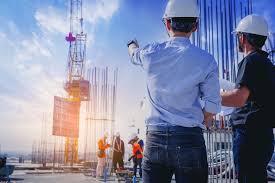
Structural engineering forms the backbone of every construction project. From towering skyscrapers to complex bridges, structural engineers ensure that buildings are safe, stable, and durable.
Innovative Techniques
With evolving technology and design challenges, modern structural engineering has embraced innovative techniques that enhance efficiency, sustainability, and aesthetics.
1. Advanced Material Technology
Traditional construction materials like concrete and steel are now complemented by high-performance composites and smart materials. These materials offer:
- Increased strength-to-weight ratios
- Enhanced durability under extreme conditions
- Resistance to environmental stressors such as earthquakes or corrosion
For example, fiber-reinforced polymers (FRPs) are being used to strengthen bridges and retrofit aging infrastructure, offering long-term cost savings.
2. Building Information Modeling (BIM)
BIM has revolutionized structural engineering services by allowing engineers to:
- Create accurate 3D models of structures
- Simulate stress loads and identify potential weak points
- Collaborate efficiently with architects, MEP engineers, and contractors
This reduces errors, saves time, and ensures that structural designs are feasible and safe before construction begins.
3. Seismic-Resistant Design
Earthquake-prone areas require special design considerations. Modern structural engineers incorporate:
- Base isolators to absorb ground motion
- Energy-dissipating devices to reduce structural stress
- Flexible yet strong materials that can withstand seismic forces
These techniques save lives and minimize property damage during natural disasters.
4. Prefabrication and Modular Construction
Prefabrication is gaining popularity in structural engineering for its speed and efficiency. Components like beams, columns, and slabs are manufactured offsite and then assembled onsite, offering:
- Reduced construction time
- Improved quality control
- Less environmental impact
This method is particularly useful for large-scale residential and commercial projects.
5. Sustainable Structural Solutions
Sustainability is a growing priority in modern construction. Structural engineers are adopting:
- Recycled materials such as steel and concrete
- Green roofs and load-bearing walls designed for energy efficiency
- Lightweight materials to reduce foundation loads and carbon footprint
By integrating sustainability, structures not only last longer but also align with global environmental goals.
6. Smart Monitoring Systems
Smart structural monitoring systems use sensors embedded in buildings to track:
- Load stress and structural movement
- Vibration and wind impact
- Material fatigue over time
These systems allow engineers to detect problems early and perform preventive maintenance, improving safety and extending the lifespan of structures.
Conclusion
Modern structural engineering blends innovation, technology, and sustainability to create structures that are safe, efficient, and resilient. From advanced materials and BIM to seismic-resistant designs and smart monitoring systems, these techniques empower engineers to meet the complex demands of contemporary construction projects.

 English
 Arabic
 French
 Spanish
 Portuguese
 Deutsch
 Turkish
 Dutch
Dutch
 Italiano
 Russian
 Romaian
 Portuguese (Brazil)