


Silver Jump Rings Explained: Types, Sizes, Finishes, and Best Practices for Professional Jewelry Making
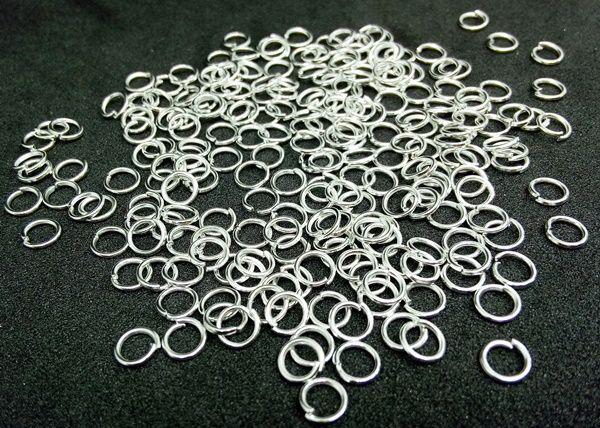
Silver jump rings are one of the most essential components in jewelry making, acting as the connectors that bring every piece together. Beyond their functional role, they also contribute to the overall elegance and finish of a design. Whether you're crafting delicate earrings or intricate chainmaille patterns, understanding the types, sizes, finishes, and proper techniques for using silver jump rings is key to achieving professional results.
What Are Silver Jump Rings?
Silver jump rings are small circular metal rings used to link different parts of jewelry, such as clasps, chains, pendants, and charms. They come in various forms, including sterling silver, fine silver, and silver-plated options. Each type offers a different balance of durability, appearance, and cost.
- Sterling Silver (925): Strong and widely used for everyday jewelry.
- Fine Silver (999): Softer and more malleable, ideal for delicate designs.
- Silver-Plated: Budget-friendly but less durable over time.
Types of Silver Jump Rings
Choosing the right type is crucial for both design and durability:
1. Open Jump Rings
These have a small cut that allows them to be opened and closed with pliers. They are ideal for assembling and adjusting jewelry.
2. Closed Jump Rings
Soldered shut for extra strength, these are perfect for securing important components like clasps or heavy pendants.
3. Split Rings
Designed like miniature keyrings, split rings offer enhanced security and are less likely to open accidentally.
4. Textured or Decorative Rings
These include twisted, hammered, or patterned designs that add visual interest and can be used as decorative elements.
Understanding Sizes and Gauges
Proper sizing is essential for both aesthetics and functionality:
- Inner Diameter (ID): Determines how large the ring opening is.
- Outer Diameter (OD): Affects the visual size in your design.
- Wire Gauge: Refers to thickness—lower numbers mean thicker, stronger rings.
Tips:
- Use smaller, thinner rings for delicate jewelry.
- Choose larger, thicker rings for heavier or load-bearing designs.
For chainmaille projects, size and gauge together determine the aspect ratio, which affects how a weave forms and behaves.
Finishes and Their Impact
Silver jump rings come in a variety of finishes that can transform the look of your jewelry:
- Polished Finish: Bright and reflective for a classic, elegant style.
- Matte Finish: Soft and modern with less shine.
- Oxidized Finish: Darkened to create an antique or vintage look.
- Brushed Finish: Subtle texture for a contemporary feel.
Choosing the right finish helps define the tone of your piece, whether it’s traditional, modern, or artistic.
Best Practices for Professional Jewelry Making
To achieve high-quality results, follow these essential techniques:
1. Open Rings Properly
Always twist jump rings sideways (like opening a door) rather than pulling them apart. This maintains their circular shape.
2. Ensure a Tight Closure
Align the ends carefully so there are no gaps. A secure closure ensures durability and a clean appearance.
3. Use the Right Tools
Chain-nose or flat-nose pliers are essential. Nylon-jaw pliers can help prevent scratches on polished silver.
4. Match Components
Use consistent sizes, finishes, and tones throughout your design for a cohesive, professional look.
5. Choose Quality Materials
Higher-quality silver jump rings provide better strength, longevity, and resistance to wear.
Design Tips for Elegant Jewelry
- Keep It Balanced: Match the size of jump rings to the scale of your design.
- Highlight Key Elements: Use jump rings to frame or emphasize pendants and charms.
- Mix Finishes Carefully: Combining polished and oxidized silver can add depth when done thoughtfully.
- Experiment with Patterns: Use jump rings creatively in chainmaille or geometric designs.
Care and Maintenance
Silver jump rings, especially sterling silver, can tarnish over time. Proper care will help maintain their beauty:
- Store jewelry in airtight containers or anti-tarnish pouches.
- Clean regularly with a soft polishing cloth.
- Avoid exposure to moisture, perfumes, and chemicals.
Regular maintenance ensures your jewelry remains bright and long-lasting.
Conclusion
Silver jump rings are more than simple connectors—they are a foundational element in jewelry design that influences both structure and style. By understanding their types, sizes, finishes, and proper handling techniques, you can create jewelry that is not only beautiful but also durable and professional. With careful selection and thoughtful design, silver jump rings can elevate your creations and help you achieve a polished, high-quality finish every time.

 English
 Arabic
 French
 Spanish
 Portuguese
 Deutsch
 Turkish
 Dutch
Dutch
 Italiano
 Russian
 Portuguese (Brazil)
 Greek
Greek