


Arginine Production Cost Analysis: Key Factors Influencing Manufacturing Economics
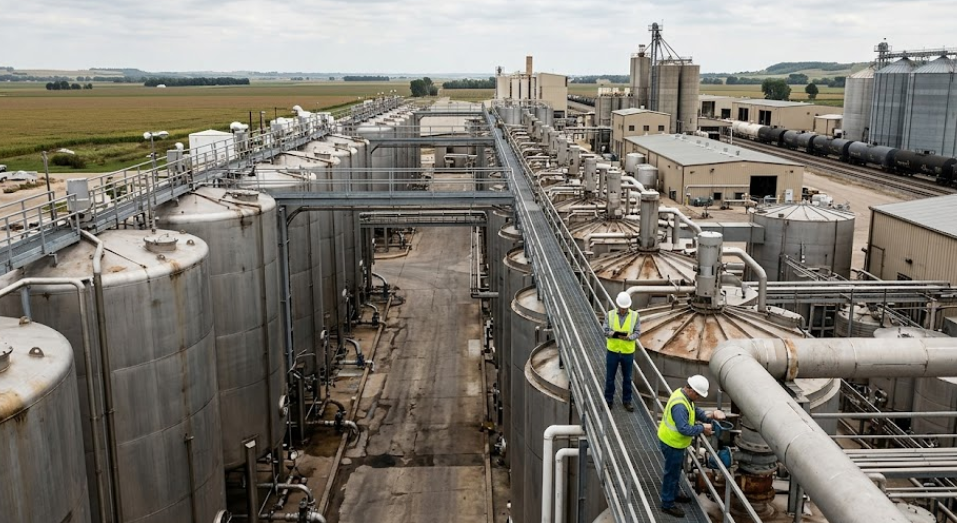
Understanding arginine production cost is essential for chemical manufacturers, nutraceutical companies, investors, and procurement teams navigating a competitive global landscape. Arginine, a semi-essential amino acid widely used in pharmaceuticals, food supplements, and animal nutrition, has seen steady demand growth driven by health awareness and expanding applications.
However, production economics are increasingly influenced by:
- Global demand-supply imbalances
- Supply chain disruptions in feedstock sourcing
- Volatility in energy and utility costs
These factors make a detailed arginine production cost analysis critical for decision-makers. Whether evaluating plant investments or optimizing sourcing strategies, stakeholders require a clear understanding of cost structures to maintain profitability and operational efficiency.
Overview of Arginine Manufacturing
Arginine is primarily produced through microbial fermentation, a biotechnological process that ensures high yield and product purity. Compared to synthetic routes, fermentation-based production dominates due to its scalability and cost efficiency.
Industrial Production Process:
- Fermentation
- Utilizes genetically optimized strains such as Corynebacterium glutamicum
- Fermentation of carbohydrate substrates (e.g., glucose) into arginine
- Cell Separation
- Removal of biomass through centrifugation or filtration
- Extraction and Purification
- Ion exchange chromatography or crystallization
- Removal of impurities to achieve desired purity levels
- Drying and Finishing
- Conversion into powder or granulated form
- Packaging for pharmaceutical or feed-grade applications
Key Technologies:
- Bioreactors with controlled pH and temperature
- Membrane filtration systems
- Ion-exchange purification units
The complexity of fermentation and downstream processing significantly impacts arginine manufacturing cost and overall plant efficiency.
Key Raw Materials and Inputs
The cost of producing arginine is highly sensitive to the pricing and availability of raw materials and utilities.
Primary Inputs:
- Carbon sources: Glucose, molasses, or starch hydrolysates
- Nitrogen sources: Ammonia or ammonium salts
- Microbial strains: High-performance fermentation cultures
- Process chemicals: Acids, bases, and solvents for purification
Utilities and Energy:
- Steam for sterilization
- Electricity for agitation, aeration, and control systems
- Cooling water for fermentation temperature regulation
Cost Implications:
- Fluctuations in sugar or molasses prices directly influence fermentation cost
- Energy-intensive aeration systems increase operational expenses
- High-purity requirements elevate processing and compliance costs
A robust raw material cost analysis is therefore fundamental to understanding arginine production cost.
Major Cost Drivers in Production
The arginine plant cost structure is influenced by multiple operational and market-driven factors.
Core Cost Components:
- Raw Materials:
Represent a significant share of total production cost due to carbohydrate feedstock dependency - Energy Consumption:
Continuous fermentation and aeration require substantial electricity and steam - Labor Costs:
Skilled personnel are needed to manage bioprocess operations - Plant Maintenance:
Regular servicing of bioreactors and purification systems - Logistics and Distribution:
Transportation of raw materials and finished products
Market Influences:
- Volatile agricultural commodity prices impact feedstock costs
- Rising electricity tariffs increase operational expenditure
- Supply chain disruptions affect input availability and pricing
These variables highlight the importance of detailed arginine production cost analysis for cost optimization.
Regional Cost Differences
The cost of producing arginine varies significantly across regions due to economic, regulatory, and infrastructural differences.
Asia (China, India):
- Dominant production hubs
- Lower labor and feedstock costs
- Established fermentation industry
North America:
- Higher labor and compliance costs
- Advanced production technologies
- Stable but expensive utilities
Europe:
- Stringent environmental regulations
- Higher energy prices
- Focus on sustainable production methods
Middle East:
- Competitive energy pricing
- Limited large-scale fermentation infrastructure
Key Regional Factors:
- Feedstock availability (corn, sugar)
- Energy cost structures
- Environmental and regulatory policies
- Scale of production facilities
These regional dynamics play a crucial role in global arginine manufacturing cost competitiveness.
Impact of Market Trends on Production Economics
Evolving industry trends are reshaping the manufacturing economics of arginine production.
Key Trends:
- Green Manufacturing:
Adoption of eco-friendly fermentation processes - Decarbonization Initiatives:
Reduction of emissions in energy-intensive operations - Biotechnology Advancements:
Improved microbial strains enhancing yield and efficiency - Energy Transition:
Integration of renewable energy sources in production facilities
Economic Impact:
- Higher initial capital investment for sustainable technologies
- Long-term cost savings through improved efficiency
- Enhanced regulatory compliance and market acceptance
These trends are redefining the industrial production cost and influencing long-term investment strategies.
Why Detailed Production Cost Intelligence Matters
In a competitive and evolving market, companies require precise cost intelligence to guide strategic decisions.
Key Applications:
- Plant Feasibility Analysis:
Evaluating capital investment and return potential - Procurement Strategy Optimization:
Identifying cost-effective sourcing options - Operational Efficiency Improvement:
Reducing waste and improving process yields - Investment Decision-Making:
Assessing profitability under different market conditions
A detailed chemical plant cost analysis enables stakeholders to navigate uncertainties and improve cost control.
The Role of Production Cost Reports in Strategic Planning
A comprehensive Arginine Production Cost Report provides detailed insights into all aspects of manufacturing economics.
These reports typically cover:
- Raw material consumption and sourcing strategies
- Process technology evaluation and efficiency benchmarks
- Capital expenditure (CAPEX) and operating expenditure (OPEX)
- Profitability and margin analysis
Such structured insights allow manufacturers, investors, and procurement teams to assess the cost of producing arginine with clarity.
By leveraging an in-depth Arginine Production Cost Report, businesses can:
- Benchmark production performance
- Identify cost reduction opportunities
- Support data-driven investment and expansion decisions
Final
The arginine production cost is shaped by a combination of raw material pricing, energy consumption, process efficiency, and regional factors. As global demand continues to rise across pharmaceuticals, food, and feed sectors, manufacturers must focus on optimizing their arginine manufacturing cost to remain competitive.
Key insights include:
- Fermentation-based production drives cost complexity
- Raw materials and energy remain dominant cost components
- Regional advantages influence global competitiveness
- Market trends such as sustainability are reshaping production economics

 English
 Arabic
 French
 Spanish
 Portuguese
 Deutsch
 Turkish
 Dutch
Dutch
 Italiano
 Russian
 Portuguese (Brazil)
 Greek
Greek