


Altra vs Traditional Running Shoes - What Makes the Difference
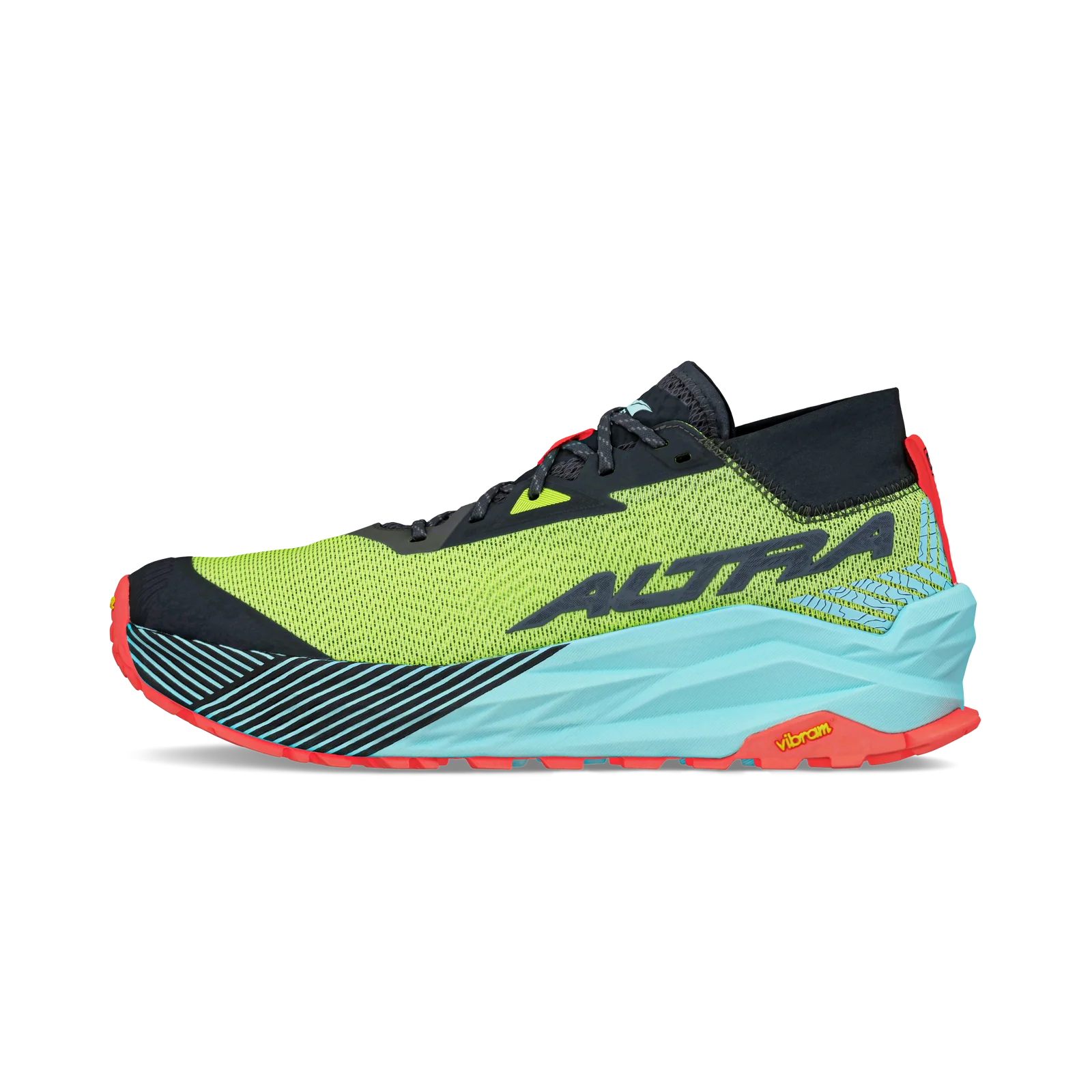
When it comes to choosing the altra running shoes, runners often find themselves deciding between modern alternatives like Altra and more traditional running shoe designs. While both aim to provide comfort and performance, they take very different approaches to how the foot should move, feel, and function during a run. Understanding these differences can help you make a smarter, more personalized choice.
The Philosophy Behind the Design
Traditional running shoes are built with a focus on cushioning, arch support, and elevated heels. Most models feature a “heel-to-toe drop,” meaning the heel sits higher than the forefoot. This design encourages a heel-strike running pattern, which has been common for decades.
On the other hand, Altra running shoes are designed with a natural running philosophy. They promote a more balanced and aligned posture by using a zero-drop platform, where the heel and forefoot are at the same level. The goal is to mimic the body’s natural biomechanics and encourage a midfoot or forefoot strike.
Zero Drop vs Heel Elevation
One of the biggest differences between Altra and traditional shoes is the midsole structure. Traditional running shoes often have a drop ranging from 8mm to 12mm. This elevated heel can reduce strain on the Achilles tendon but may also alter natural movement patterns.
Altra’s zero-drop design keeps your foot level with the ground. This alignment helps distribute impact more evenly across your body and can improve posture over time. However, runners transitioning to zero-drop shoes may need an adjustment period, as it places more demand on the calves and lower legs.
Foot Shape and Fit
Another standout feature of Altra shoes is their “FootShape” toe box. Unlike traditional running shoes that taper toward the front, Altra provides a wider toe box that allows your toes to spread naturally. This can improve balance, stability, and overall comfort, especially during long runs.
Traditional shoes, in contrast, often prioritize a snug, performance-oriented fit. While this can feel secure, it may restrict natural toe movement and cause discomfort for runners with wider feet or those prone to issues like bunions.
Cushioning and Ground Feel
Traditional running shoes are known for their plush cushioning and shock absorption. Brands often compete to provide the softest ride possible, which can be beneficial for runners who want maximum comfort and reduced impact on joints.
Altra also offers cushioned models, but the focus is slightly different. Instead of isolating the foot from the ground, Altra aims to balance cushioning with responsiveness. This allows runners to maintain a better connection with the surface, improving control and awareness during movement.
Running Form and Efficiency
Because of their design, traditional running shoes often support a heel-strike running style. While this works for many runners, it can sometimes lead to higher impact forces traveling up the legs.
Altra shoes encourage a more natural stride by promoting midfoot or forefoot striking. This can reduce braking forces and improve running efficiency. Over time, some runners report better posture, fewer injuries, and a smoother running experience when adapting to this style.
Injury Prevention and Adaptation
There is ongoing debate about which type of shoe is better for injury prevention. Traditional running shoes provide structured support and cushioning, which can be helpful for beginners or those with specific foot conditions.
Altra shoes, however, focus on strengthening the foot by allowing it to function more naturally. The wider toe box and zero-drop platform can help engage muscles that are often underused. That said, switching too quickly can lead to discomfort or strain, so gradual adaptation is key.
Which One Should You Choose?
The choice between Altra and traditional running shoes ultimately depends on your personal needs, running style, and experience level. If you prefer maximum cushioning, structured support, and a familiar feel, traditional running shoes may be the right fit.
If you’re interested in improving natural movement, strengthening your feet, and trying a more balanced running experience, Altra could be worth exploring. Many runners even use both types depending on their training needs.
Final Thoughts
Altra and traditional running shoes represent two different philosophies in the running world. One focuses on guiding and supporting the foot, while the other emphasizes natural movement and alignment. Neither is universally better; it all comes down to what works best for your body.
Taking the time to understand these differences can help you avoid discomfort, improve performance, and enjoy your runs more. Whether you stick with traditional designs or transition to Altra hiking shoes, the most important thing is finding a shoe that supports your goals and keeps you moving comfortably.

 English
 Arabic
 French
 Spanish
 Portuguese
 Deutsch
 Turkish
 Dutch
Dutch
 Italiano
 Russian
 Portuguese (Brazil)
 Greek
Greek