


Sugar Bags: Safe, Hygienic, and Durable Packaging for Sweet Essentials
Introduction
Sugar is one of the most widely consumed food products worldwide, and its packaging plays a crucial role in maintaining quality, hygiene, and shelf life. From large-scale industrial distribution to retail packaging, sugar bags are designed to protect the product from moisture, contamination, and handling damage. With advancements in packaging materials, sugar bags now offer both durability and attractive presentation.
What Are Sugar Bags?
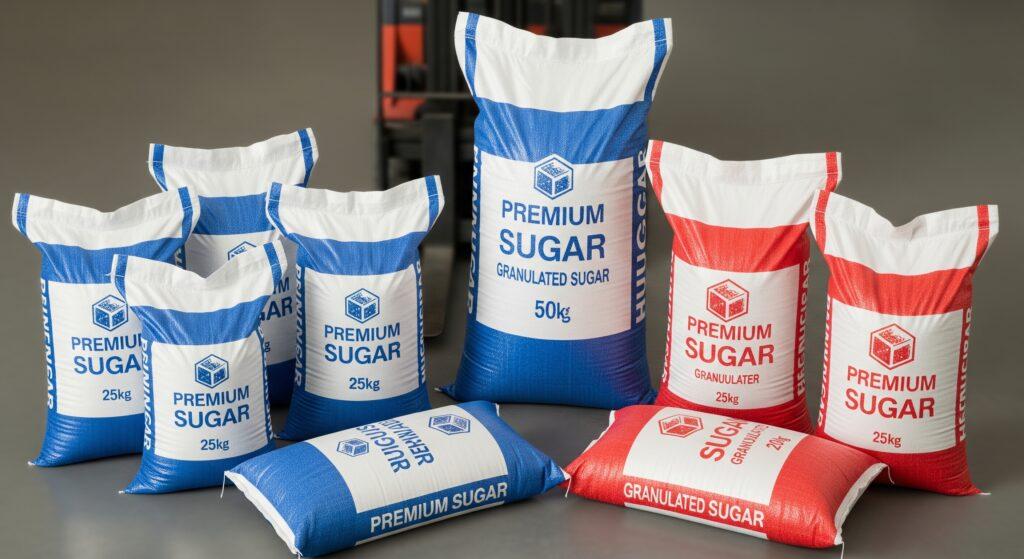
Sugar bags are specially designed packaging solutions used to store and transport sugar in bulk or retail quantities. These bags are made from various materials such as PP woven fabric, HDPE woven fabric, paper, or BOPP laminated materials, depending on the application.
They are available in different sizes, typically ranging from 1 kg retail packs to 50 kg bulk bags, and are designed to keep sugar dry, clean, and free from impurities.
Types of Sugar Bags
1. PP Woven Sugar Bags
Made from polypropylene woven fabric, these bags are strong, lightweight, and suitable for bulk packaging. They are widely used in sugar mills and wholesale distribution.
2. BOPP Laminated Sugar Bags
These bags combine woven strength with a BOPP film layer, offering excellent print quality and moisture resistance. Ideal for branded retail packaging.
3. Paper Sugar Bags
Multi-wall paper bags are commonly used for eco-friendly packaging. They may include inner liners for added protection.
4. HDPE Woven Sugar Bags
Known for their high strength and durability, these bags are suitable for heavy-duty storage and transportation.
5. Jumbo Bags (FIBC)
Used for bulk handling in industries, these bags can carry large quantities of sugar (500 kg to 2000 kg).
Key Features of Sugar Bags
1. Moisture Protection
Sugar is highly sensitive to moisture, which can cause clumping. Sugar bags are designed to resist humidity and keep the contents dry.
2. High Strength
These bags can handle heavy loads without tearing, ensuring safe transportation and storage.
3. Food-Grade Safety
Sugar bags are made using food-grade materials to maintain hygiene and prevent contamination.
4. Custom Printing
Manufacturers can print brand names, product details, and nutritional information on the bags for better market visibility.
5. Lightweight and Easy Handling
Despite their strength, sugar bags are lightweight, making them easy to transport and stack.
Applications of Sugar Bags
Sugar bags are used in multiple sectors:
- Sugar Mills: Bulk packaging for distribution
- Retail Industry: Branded consumer packs
- Food Processing: Supply of sugar to manufacturers
- Export Packaging: International shipping and storage
- Wholesale Markets: Large-scale distribution
Their versatility makes them essential in the sugar supply chain.
Advantages of Using Quality Sugar Bags
Product Protection
High-quality sugar bags prevent moisture ingress, contamination, and product loss.
Extended Shelf Life
Proper packaging helps maintain sugar quality for longer periods.
Cost Efficiency
Durable bags reduce wastage and transportation damage, saving costs.
Branding Opportunities
Printed bags help companies build brand identity and attract customers.
Easy Storage and Transport
Stackable design improves warehouse and logistics efficiency.
How to Choose the Right Sugar Bag
When selecting sugar bags, consider:
- Material Type: PP, HDPE, BOPP, or paper
- Capacity: Based on packaging requirements (retail or bulk)
- Moisture Resistance: Essential for maintaining product quality
- Printing Needs: For branding and labeling
- Food Safety Standards: Ensure compliance with regulations
Sugar Bags vs Traditional Packaging
| Feature | Modern Sugar Bags | Traditional Packaging |
|---|---|---|
| Strength | High | Low to Moderate |
| Moisture Resistance | High | Low |
| Hygiene | High | Moderate |
| Branding | Excellent | Limited |
| Durability | Long-lasting | Short-term |
Modern sugar bags offer significant improvements in performance and safety.
Future Trends in Sugar Packaging
The sugar packaging industry is evolving with a focus on sustainability and innovation. Key trends include:
- Eco-friendly and biodegradable materials
- Advanced lamination for better moisture protection
- Smart packaging with QR codes and traceability
- Lightweight yet stronger packaging solutions
These trends are helping improve efficiency and environmental impact.
Conclusion
Sugar bags are an essential part of the food packaging industry, ensuring the safe storage and transportation of sugar from production to consumption. With options ranging from woven bags to laminated and paper-based solutions, businesses can choose packaging that meets both functional and branding needs.

 English
 Arabic
 French
 Spanish
 Portuguese
 Deutsch
 Turkish
 Dutch
Dutch
 Russian
 Romaian
 Portuguese (Brazil)
 Greek
Greek