


How AI is Transforming Healthcare Software
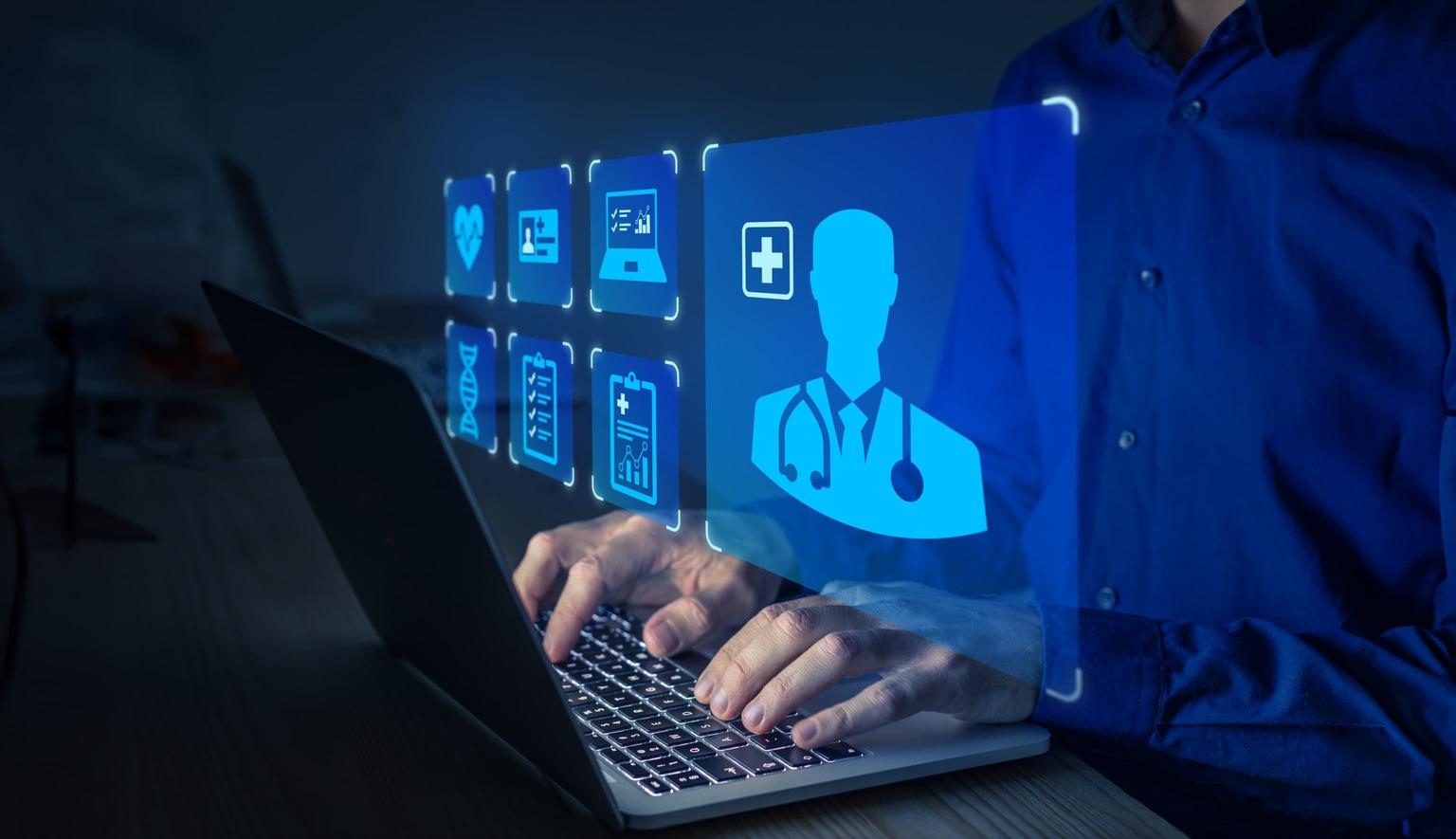
Healthcare software has evolved rapidly over the past few years, driven by the growing need for accuracy, efficiency, and better patient outcomes. One of the most significant drivers behind this transformation is AI in healthcare software. From improving diagnostics to streamlining hospital operations, this technology is reshaping how medical systems function and deliver care.
Improved Diagnostics and Decision Support
One of the most impactful changes brought by AI in healthcare software is in diagnostics. Advanced algorithms can analyze medical images, lab reports, and patient records with remarkable precision. These systems assist doctors in identifying diseases at an early stage, often before symptoms become severe.
Clinical decision support systems powered by AI can suggest possible diagnoses based on patient data. This reduces human error and helps medical professionals make informed decisions quickly. It also ensures consistency in diagnosis across different healthcare providers.
Enhanced Patient Care and Personalization
Healthcare software integrated with AI enables a more personalized approach to treatment. By analyzing patient history, lifestyle data, and genetic information, systems can recommend tailored treatment plans. This level of customization improves patient satisfaction and treatment effectiveness.
Virtual health assistants and chatbots are also becoming common. They help patients schedule appointments, answer basic health queries, and provide medication reminders. This reduces the burden on healthcare staff while ensuring patients stay engaged in their care journey.
Automation of Administrative Tasks
Administrative tasks often consume a large portion of healthcare resources. AI in healthcare software helps automate repetitive processes such as billing, appointment scheduling, and data entry. This not only saves time but also reduces operational costs.
Automation also minimizes errors in documentation and billing, which are common challenges in healthcare management. With streamlined processes, hospitals and clinics can focus more on patient care rather than paperwork.
Predictive Analytics for Better Outcomes
Predictive analytics is another major benefit. By analyzing historical data, healthcare software can predict potential health risks and outcomes. For example, it can identify patients at risk of chronic diseases or hospital readmissions.
This proactive approach allows healthcare providers to take preventive measures, improving overall patient outcomes. It also helps in resource planning, ensuring that hospitals are better prepared to handle patient demands.
Integration with Wearable Devices
Modern healthcare software is increasingly connected with wearable devices such as fitness trackers and smartwatches. These devices collect real-time data on heart rate, physical activity, sleep patterns, and more.
AI processes this data to provide insights into a patient’s health status. Doctors can monitor patients remotely and intervene when necessary. This is particularly useful for managing chronic conditions and post-surgery recovery.
Data Security and Fraud Detection
Healthcare systems handle sensitive patient information, making data security a top priority. AI in healthcare software enhances security by detecting unusual patterns and potential threats in real time.
It can identify fraudulent activities such as false insurance claims or unauthorized access to patient records. This ensures compliance with regulations and builds trust among patients and healthcare providers.
Faster Drug Discovery and Development
Drug discovery is a complex and time-consuming process. AI accelerates this process by analyzing vast datasets to identify potential drug candidates. It can also predict how different compounds will interact with the human body.
Healthcare software equipped with AI tools helps researchers reduce the time and cost involved in developing new medicines. This leads to faster availability of treatments for various diseases.
Improved Workflow Management
Efficient workflow management is essential for any healthcare facility. AI-driven software optimizes staff scheduling, patient flow, and resource allocation. It ensures that the right resources are available at the right time.
For example, emergency departments can use AI to prioritize patients based on the severity of their condition. This improves response times and enhances the quality of care provided.
Remote Monitoring and Telehealth
Remote monitoring has gained significant importance, especially in recent years. AI-powered healthcare software enables continuous monitoring of patients from their homes. This reduces the need for frequent hospital visits.
Telehealth platforms use AI to analyze patient data during virtual consultations. Doctors can make accurate assessments and provide appropriate treatments without physical interaction. This increases accessibility to healthcare services, especially in remote areas.
Challenges and Considerations
Despite its many advantages, implementing AI in healthcare software comes with challenges. Data privacy concerns, high implementation costs, and the need for skilled professionals are some of the key issues.
Healthcare organizations must ensure that their systems comply with regulatory standards. They also need to invest in training staff to effectively use these advanced tools. Addressing these challenges is crucial for successful adoption.
Frequently Asked Questions
1. What is AI in healthcare software?
AI in healthcare software refers to the use of advanced algorithms and machine learning techniques to analyze medical data, improve diagnostics, automate tasks, and enhance patient care.
2. How does AI improve patient care?
It enables personalized treatment plans, early disease detection, and continuous patient monitoring, leading to better health outcomes.
3. Is AI in healthcare software secure?
Yes, it enhances security by detecting unusual activities and preventing data breaches, though proper implementation and compliance are essential.
4. What are the main benefits of AI in healthcare software?
Key benefits include improved accuracy in diagnostics, automation of administrative tasks, predictive analytics, and better workflow management.
5. Can AI replace doctors?
No, it supports healthcare professionals by providing insights and recommendations, but human expertise remains essential in decision-making.
Conclusion
The impact of AI in healthcare software is profound, touching every aspect of the healthcare system. From diagnostics and patient care to administration and research, it is creating more efficient and effective solutions. While challenges exist, the benefits far outweigh the limitations. As technology continues to advance, healthcare software will become even more intelligent, leading to improved outcomes and a better experience for both patients and providers.
For More Information Follow “zirvede”

 English
 Arabic
 French
 Spanish
 Deutsch
 Turkish
 Dutch
Dutch
 Italiano
 Russian
 Romaian
 Portuguese (Brazil)
 Greek
Greek