


Himalayan Salt: Benefits, Uses, and Why It’s the Purest Salt in the World
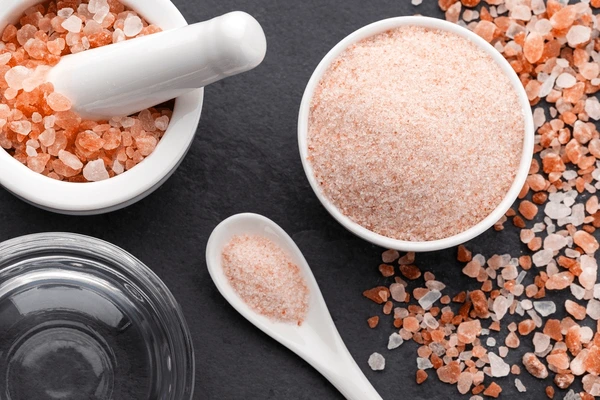
Himalayan salt is one of the most popular and widely used natural salts in the world. Known for its beautiful pink color and rich mineral content, Himalayan salt is considered the purest form of salt available today. Sourced from ancient salt deposits in Pakistan, this natural rock salt has gained global recognition for its health benefits, culinary uses, and industrial applications. In this article, we will explore the benefits, uses, and reasons why Himalayan salt is considered the purest salt in the world.
What is Himalayan Salt?
Himalayan salt is a natural rock salt mined from the ancient salt mines located in the Punjab region of Pakistan, particularly near the Himalayan mountain range. These salt deposits were formed over 250 million years ago when ancient seas evaporated, leaving behind mineral-rich salt crystals.
Himalayan salt is different from the salt you usually find on the table.
it doesn’t go through a lot of processing, so it doesn’t have any extra additives, chemicals, or preservatives that can be bad for you. The pretty pink color of Himalayan salt comes from tiny amounts of minerals like iron, magnesium, potassium, and calcium. These minerals are also what make Himalayan salt a bit healthier than regular salt. Himalayan salt is available in different forms, including: Fine grain Himalayan salt Coarse Himalayan salt Himalayan salt blocks Himalayan salt lamps Himalayan bath salt Animal lick salt Because of its natural origin and mineral content, Himalayan salt is widely used in homes, restaurants, spas, and industries worldwide.
Why Himalayan Salt is Considered the Purest Salt Himalayan salt is considered one of the purest
types of salt you can find. It’s made naturally and doesn’t go through a lot of processing like regular table salt does. Table salt, on the other hand, is heavily refined, bleached, and treated with chemicals. Himalayan salt, by contrast, is left in its natural state, which is part of what makes it so unique. This natural formation and minimal processing are what set it apart from other types of salt. Here are the main reasons why Himalayan salt is considered pure: 1.
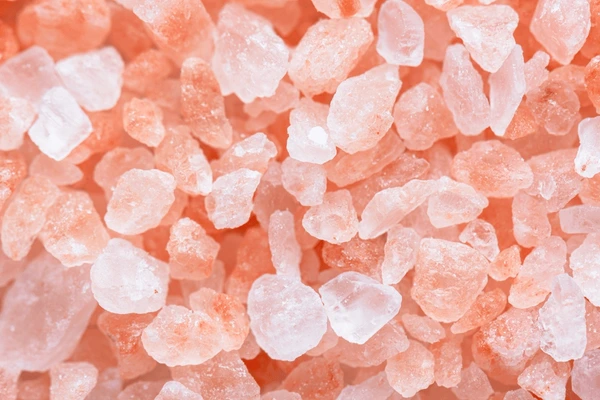
1.Ancient Natural Formation
Himalayan salt was formed millions of years ago when oceans evaporated and left behind mineral-rich deposits. These deposits remained protected under layers of rock and snow, keeping them free from modern pollution and environmental contamination.
2. No Chemical Processing
Most commercial salts are refined and treated with anti-caking agents and additives. However, Himalayan salt is hand-mined and washed naturally without chemical processing, preserving its natural minerals and purity.
3. Rich in Natural Minerals
Himalayan salt contains over 80 trace minerals, including: Calcium Potassium Magnesium Iron Zinc Copper The minerals in Himalayan salt are what give it that pretty pink color, and they also make it a healthier choice than regular table salt.
Health Benefits of Himalayan Salt
Himalayan salt is really popular because people think it’s good for you. But remember, you should only have a little bit of it. Compared to regular salt, Himalayan salt has some extra benefits that make it a better choice.
- Supports Hydration
Himalayan salt helps maintain electrolyte balance in the body. The natural minerals in Himalayan salt support hydration and help regulate fluid balance. Some folks like to mix a little bit of Himalayan salt with water to make what’s called sole water. They think it can help them stay hydrated and have more energy.
- Promotes Better Digestion
Himalayan salt can be really helpful for our bodies. It might even help get our digestive enzymes and stomach acid working better. This can make a big difference in how well we digest our food and get the nutrients we need. Some people use Himalayan salt before meals to support better digestion and reduce bloating.
- Helps Maintain pH Balance
Himalayan salt has lots of good stuff in it, like minerals, that can help keep your body’s pH levels in check. This can be really good for you overall, and might even cut down on acidity.
- Supports Respiratory Health
Himalayan salt is commonly used in salt therapy and salt rooms. It is believed to help improve breathing and support respiratory health. Himalayan salt lamps and salt therapy are used by people who experience: Allergies Asthma Sinus congestion Respiratory discomfort
- Improves Skin Health
Himalayan salt is widely used in bath salts and scrubs. It helps exfoliate dead skin cells and may improve skin texture. Himalayan salt baths are popular for: Relaxation Skin detox Muscle relaxation Stress relief
Culinary Uses of Himalayan Salt
Himalayan salt is really popular when it comes to cooking and getting food ready. People like it because it has a natural taste and it’s got lots of good minerals in it, which makes it a great choice instead of using regular salt.
- Cooking and Seasoning
Himalayan salt can be used in: Cooking meals Seasoning food Marinades Salads Grilling It enhances flavor while providing natural minerals.
- Himalayan Salt Blocks
Himalayan salt blocks are really useful for cooking and grilling food, and they’re also great for serving dishes. When you use them, they add a slightly salty taste to your food, which is nice. Plus, they make your dishes look pretty cool and different, so they’re a great way to present your food. Salt blocks are commonly used for: Grilling meats Serving sushi Cooking vegetables Chilling desserts
- Food Preservation
Himalayan salt is really useful for keeping food fresh. It stops meat and pickles from going bad, so they last longer. This is because the salt helps to preserve them, keeping them fresh for a longer time.
Non-Culinary Uses of Himalayan Salt
Himalayan salt is really useful for more than just cooking. It has a lot of other uses too. People use it for all sorts of things beyond just adding flavor to food.
- Himalayan Salt Lamps
Himalayan salt lamps are popular for home decoration and wellness. These lamps create a warm glow and are believed to help purify the air and improve mood.
- Bath Salt and Spa Products
Himalayan salt is widely used in: Bath salts Body scrubs Spa treatments Relaxation therapies These products help relax muscles and promote skin health. 3. Animal Lick Salt
Himalayan salt is also used as animal lick salt. It provides essential minerals to livestock and pets, supporting animal health and growth.
Himalayan Salt vs Regular Table Salt
There are several differences between Himalayan salt and regular table salt:
| Feature | Himalayan Salt | Table Salt |
| Processing | Natural & minimally processed | Highly refined |
| Minerals | 80+ trace minerals | Mostly sodium chloride |
| Additives | No additives | Anti-caking agents added |
| Color | Pink | White |
| Source | Natural mines | Industrial production |
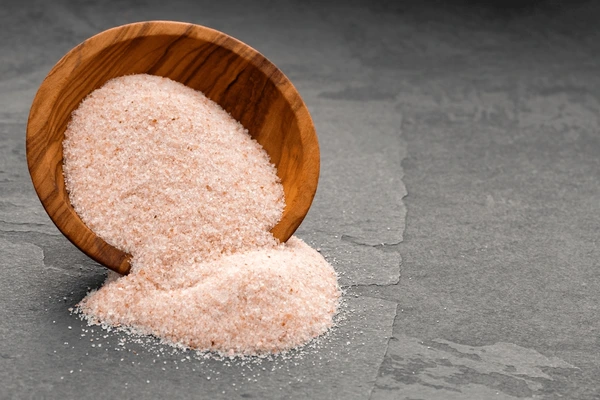
Because of these differences, many people prefer Himalayan salt as a healthier and more natural option.
Pakistan is the largest producer and exporter of Himalayan salt, supplying high-quality products to international markets.
Why Himalayan Salt Is the Purest and Most Versatile Natural Salt in the World
Himalayan salt is one of the purest and most natural salts available in the world. With its rich mineral content, health benefits, and wide range of uses, Himalayan salt has become increasingly popular in homes, kitchens, spas, and industries. Himalayan salt is really good for lots of things, like cooking, staying healthy, and even decorating. It’s also great for animals. One of the best things about it is that it comes from the earth, so it’s natural. It doesn’t go through a lot of processing, which means it keeps a lot of its good stuff, like minerals. This makes it a better choice than the salt you usually find on the table. Himalayan salt is really popular and people all around the world trust it. As more and more people want to buy it, it’s becoming a very valuable thing.

 English
 Arabic
 French
 Spanish
 Portuguese
 Deutsch
 Turkish
 Dutch
Dutch
 Italiano
 Russian
 Romaian
 Greek
Greek