


Commercial Interior Lighting Design Solutions for Modern Business Spaces
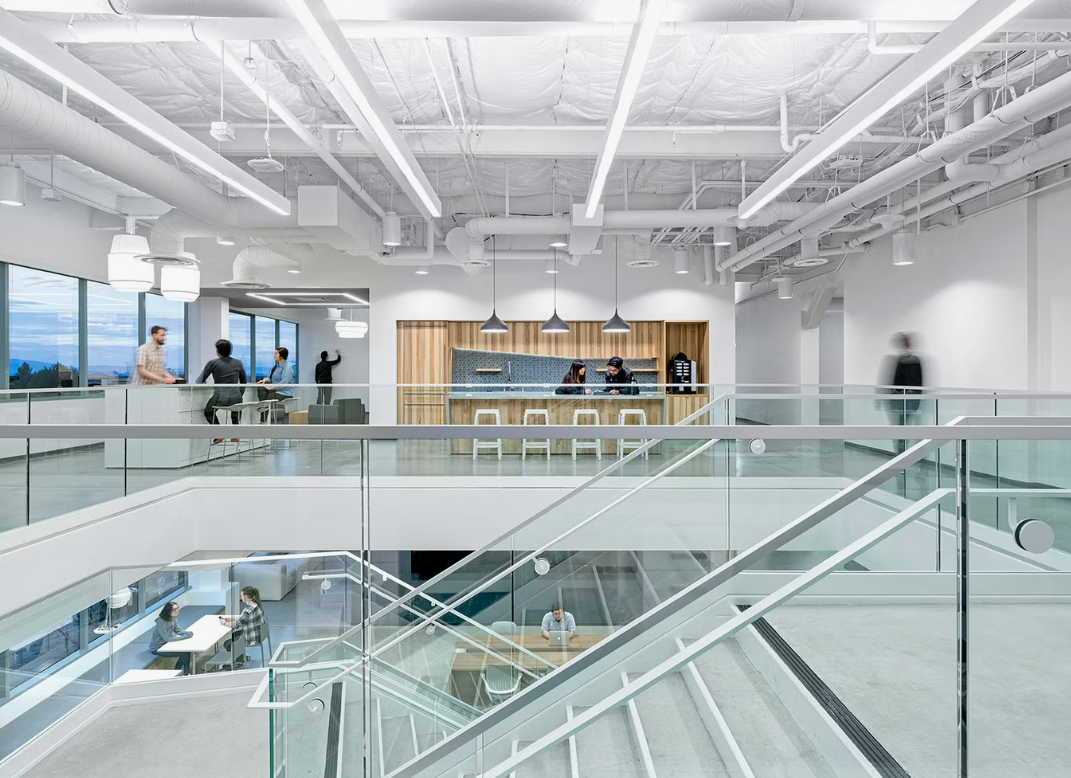
Lighting plays a crucial role in shaping the functionality, aesthetics, and overall experience of commercial environments. In modern architecture and design, commercial interior lighting has become an essential element for businesses aiming to improve productivity, customer engagement, and brand identity. From offices and retail stores to hotels and restaurants, the right lighting design can completely transform a space.
Understanding Commercial Interior Lighting
Commercial interior lighting refers to the planned use of lighting systems within business environments to enhance visibility, mood, and functionality. Unlike residential lighting, commercial lighting must meet higher standards of performance, durability, and efficiency. It includes a combination of ambient, task, and accent lighting designed to serve different purposes within a space.
Ambient lighting provides overall illumination, task lighting supports specific activities, and accent lighting highlights architectural features or branding elements. Together, these layers create a balanced and visually appealing environment.
Importance of Lighting in Commercial Spaces
Lighting has a direct impact on how people perceive and interact with a space. In commercial settings, it influences employee productivity, customer behavior, and overall brand perception. Well-designed lighting can make a space feel more welcoming, professional, and efficient.
In retail environments, lighting helps highlight products and attract customer attention. In offices, it reduces eye strain and improves focus. In hospitality spaces, it creates ambiance and enhances guest experience. Proper lighting design is therefore essential for business success.
Types of Commercial Interior Lighting Solutions
There are several types of lighting solutions used in commercial interiors. LED lighting is the most popular due to its energy efficiency, long lifespan, and versatility. Recessed lighting is commonly used in offices and modern interiors for a clean and minimal look.
Track lighting allows flexibility in highlighting specific areas or displays, while pendant lighting adds decorative appeal in reception areas and restaurants. Wall-mounted fixtures and linear lighting systems are also widely used to create depth and dimension within commercial spaces.
Role of LED Technology in Modern Lighting
LED technology has revolutionized commercial interior lighting by offering energy-efficient and sustainable solutions. LED lights consume less power compared to traditional lighting systems while providing superior brightness and color accuracy.
They also have a longer lifespan, reducing maintenance and replacement costs. Additionally, LED lighting offers flexibility in design, allowing businesses to choose from a wide range of color temperatures and styles to match their branding and interior design.
Lighting Design and Space Optimization
Effective lighting design goes beyond illumination—it involves strategic planning to optimize space usage and functionality. Designers consider factors such as ceiling height, room layout, natural light availability, and intended use of the space.
Proper lighting placement can make small spaces appear larger, highlight architectural features, and improve navigation within a building. A well-optimized lighting design enhances both aesthetics and practicality, ensuring that the space meets business needs efficiently.
Impact on Employee Productivity and Wellbeing
In office environments, lighting has a significant impact on employee performance and wellbeing. Poor lighting can cause eye strain, fatigue, and reduced concentration, while well-designed lighting improves focus and energy levels.
Natural light integration combined with artificial lighting systems helps create a balanced environment that supports productivity. Adjustable lighting systems also allow employees to customize brightness levels based on their tasks, improving comfort and efficiency.
Commercial Lighting in Retail and Hospitality
In retail spaces, lighting is used strategically to highlight products and influence purchasing decisions. Bright, focused lighting draws attention to displays, while softer lighting creates a comfortable shopping environment.
In hospitality settings such as hotels and restaurants, lighting plays a key role in creating ambiance. Warm lighting is often used to create a welcoming and relaxing atmosphere, while accent lighting enhances interior design features and branding elements.
Energy Efficiency and Cost Savings
Energy efficiency is a major consideration in modern commercial lighting design. LED systems and smart lighting controls help reduce energy consumption and lower operational costs. Motion sensors, dimmers, and automated systems ensure that lights are used only when needed.
These energy-efficient solutions not only reduce electricity bills but also contribute to sustainability goals, making them an important choice for environmentally conscious businesses.
Smart Lighting Systems and Automation
Smart lighting technology is becoming increasingly popular in commercial spaces. These systems allow businesses to control lighting remotely using mobile apps or centralized control panels. Automation features such as scheduling, dimming, and occupancy detection improve convenience and efficiency.
Smart lighting systems also enable businesses to adjust lighting based on time of day, occupancy levels, and specific activities, creating a more dynamic and responsive environment.
Challenges in Commercial Lighting Design
Designing effective commercial lighting systems can present several challenges. These include balancing natural and artificial light, managing energy consumption, and ensuring consistency across large spaces.
Improper lighting design can lead to uneven illumination, glare, or energy inefficiency. However, these challenges can be overcome through professional planning, advanced technology, and expert installation.
Importance of Professional Lighting Installation
Professional installation is essential for ensuring that lighting systems function correctly and safely. Skilled installers understand electrical systems, placement techniques, and safety standards required for commercial environments.
Proper installation ensures optimal performance, reduces maintenance issues, and extends the lifespan of lighting systems. It also ensures compliance with building codes and safety regulations.
Future Trends in Commercial Interior Lighting
The future of commercial lighting is focused on sustainability, smart technology, and human-centric design. Human-centric lighting systems that adjust color temperature based on natural circadian rhythms are becoming more common.
Integration with IoT technology allows lighting systems to interact with other building systems for improved efficiency. Sustainable materials and energy-saving innovations will continue to shape the future of commercial lighting design.
Conclusion: Lighting as a Strategic Business Asset
Commercial interior lighting is more than just illumination—it is a strategic tool that enhances productivity, customer experience, and brand identity. From energy-efficient LED systems to smart automation and advanced design techniques, modern lighting solutions offer both functional and aesthetic benefits.
Businesses that invest in professional lighting design can create more engaging, efficient, and visually appealing environments. As technology continues to evolve, lighting will remain a key factor in shaping successful commercial spaces.

 English
 Arabic
 Spanish
 Portuguese
 Deutsch
 Turkish
 Dutch
Dutch
 Italiano
 Russian
 Romaian
 Portuguese (Brazil)
 Greek
Greek