When working with electrical systems, two terms often come up: distribution boards and consumer units. Many people think they are the same, but there are clear differences between them. Understanding these differences helps in choosing the right system for safety, efficiency, and proper power management.
What is a Distribution Board?
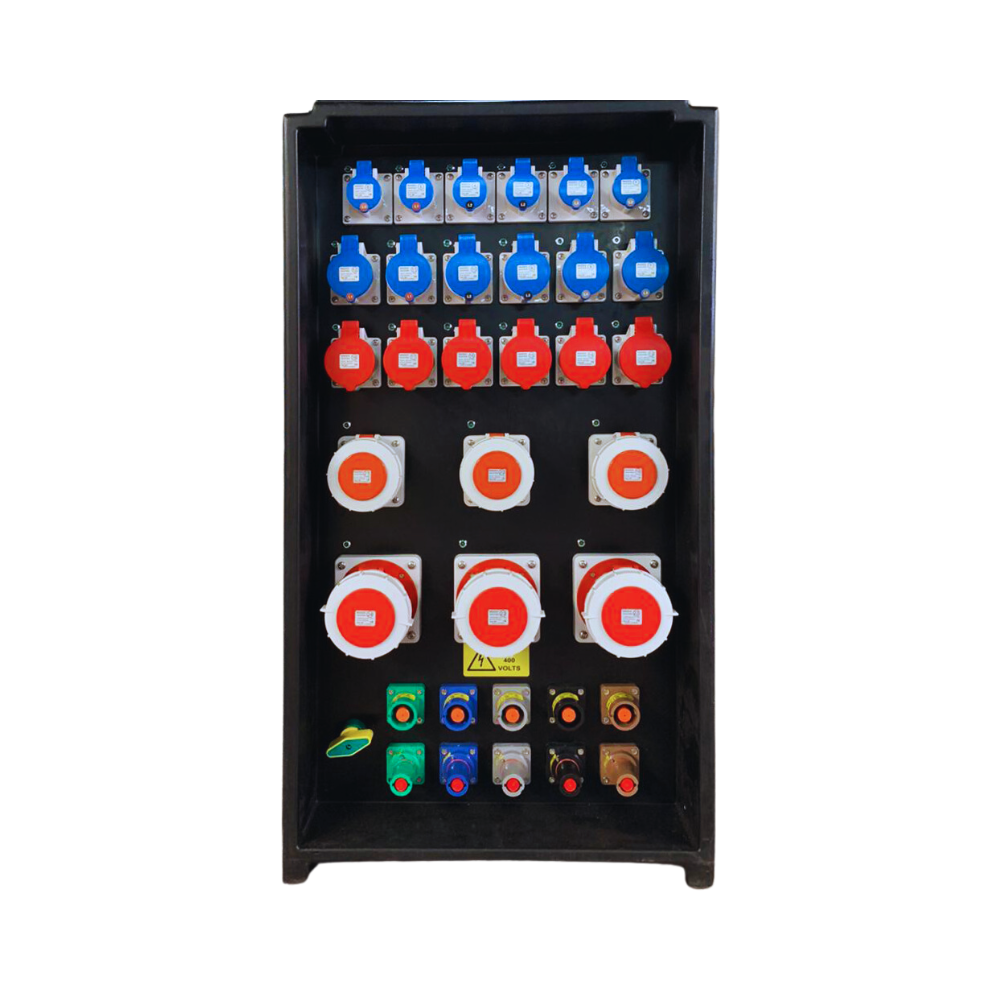
A distribution board, often called a DB, is a central point where electrical power is distributed to different circuits within a building or facility. It receives power from the main supply and divides it into smaller circuits for lighting, machinery, sockets, and other equipment.
Distribution boards are commonly used in commercial buildings, factories, and large installations. They are designed to handle higher electrical loads and more complex wiring systems. Inside a distribution board, you will usually find components like circuit breakers, busbars, and sometimes protective devices that help control and protect the circuits
What is a Consumer Unit?
A consumer unit is a type of distribution board, but it is specifically designed for residential use. It is commonly found in homes and small properties. The main purpose of a consumer unit is to control and distribute electricity safely within a household.
Consumer units are simpler compared to industrial distribution boards. They usually include main switches, miniature circuit breakers (MCBs), and residual current devices (RCDs) that protect against electric shocks and faults. Their design focuses on safety and ease of use for everyday household needs.
Key Differences Between Distribution Boards and Consumer Units
1. Application and Usage
The main difference lies in where they are used. Distribution boards are used in commercial and industrial settings where power requirements are higher and more complex. Consumer units are designed for homes and small-scale applications where the electrical demand is lower.
2. Complexity
Distribution boards are more complex. They can manage multiple high-load circuits and may include advanced protection systems. Consumer units are simpler and are designed to handle basic household circuits such as lighting and appliances.
3. Capacity
Distribution boards are built to handle larger electrical loads. They are suitable for heavy machinery, large buildings, and industrial setups. Consumer units, on the other hand, are designed for lower loads typical in residential environments.
4. Safety Features
Both systems include safety components, but consumer units are more focused on user safety. They often include RCDs that quickly cut off power in case of a fault, reducing the risk of electric shock. Distribution boards may include more advanced protection depending on the application.
5. Size and Design
Distribution boards are usually larger and built with stronger materials to handle industrial conditions. Consumer units are compact and designed to fit easily within residential spaces like walls or utility areas.
Why Choosing the Right One Matters
Selecting the correct system is important for both safety and performance. Using a consumer unit in an industrial setup can lead to overload and failure. Similarly, using a complex distribution board in a small home may be unnecessary and costly.
For homes, a consumer unit provides the right balance of safety and simplicity. For commercial or industrial spaces, a distribution board ensures proper handling of power and supports multiple circuits efficiently.
Installation and Maintenance
Both distribution boards and consumer units should be installed by qualified professionals. Proper installation ensures that all circuits are correctly connected and protected. Regular maintenance and inspection are also important to prevent faults and ensure long-term performance.
Conclusion
While distribution boards and consumer units serve a similar basic function of distributing electricity, they are designed for different purposes. Distribution boards are ideal for larger, more complex systems, while consumer units are best suited for residential use.
Understanding these differences helps in making the right choice, ensuring safety, efficiency, and reliable power distribution in any environment.




 English
 Arabic
 French
 Spanish
 Portuguese
 Deutsch
 Turkish
 Dutch
Dutch
 Italiano
 Russian
 Romaian
 Portuguese (Brazil)