


The Rise of the "Hybrid" Analyst: Why Financial Modelling with AI is the New Standard
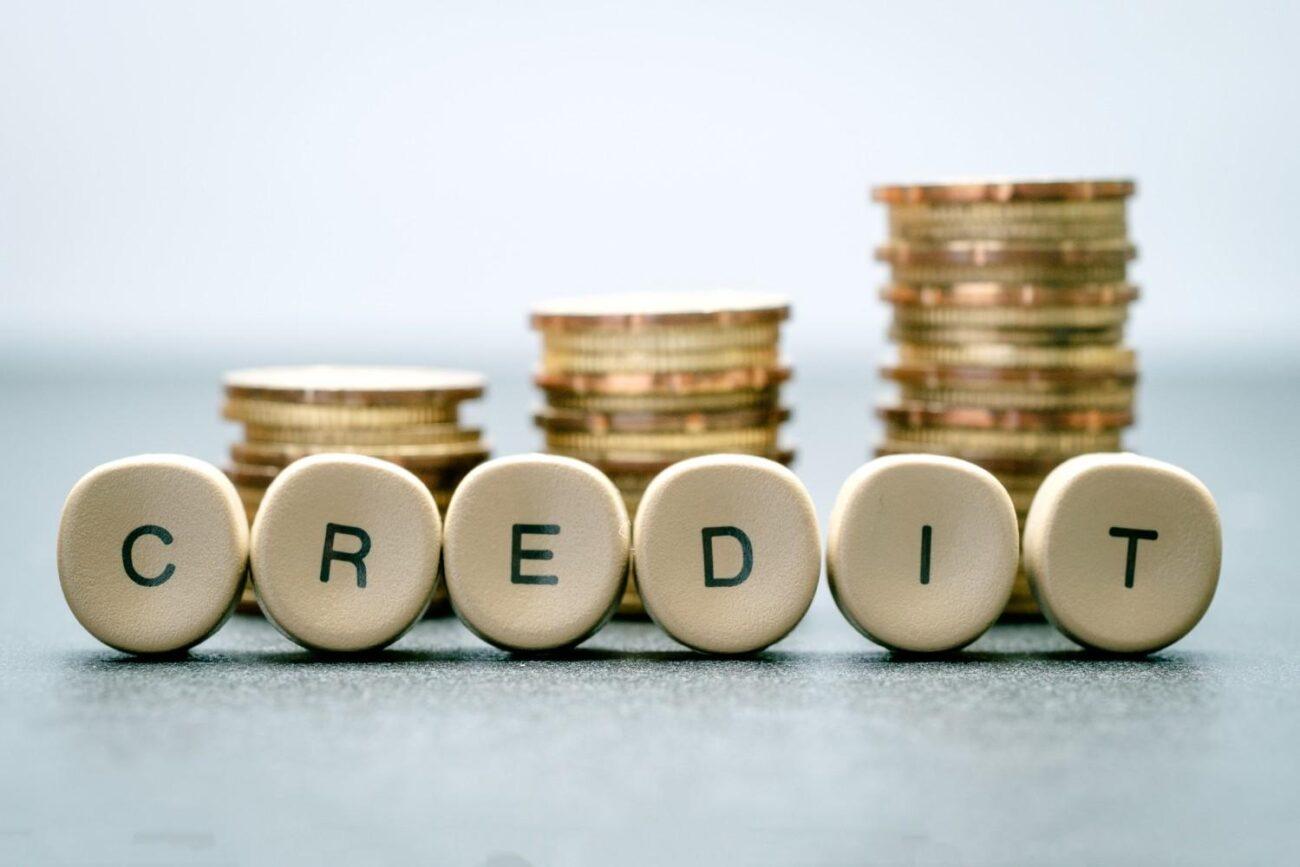
The financial sector has reached a tipping point. For decades, the "gold standard" for a financial analyst was a mastery of Excel, an eye for detail, and the ability to build complex, multi-tab spreadsheets that could forecast a company’s future with reasonable accuracy. But as we move through 2026, the goalposts have shifted.
The traditional analyst is being replaced by the "Hybrid Analyst"—a professional who marries deep financial intuition with the power of Artificial Intelligence. In this new era, financial modelling is no longer just about inputting historical data; it’s about leveraging machine learning to predict volatility, automate sensitivity analysis, and uncover patterns that the human eye simply cannot see.
The Evolution of Financial Modelling
To understand why the hybrid model is the new standard, we have to look at the limitations of the past. Manual financial modelling is inherently "laggy." By the time an analyst pulls quarterly reports, cleans the data, and builds a DCF (Discounted Cash Flow) model, the market has often already moved.
AI-driven modelling changes this dynamic by introducing three core upgrades:
-
Real-Time Data Integration: Hybrid analysts use AI to scrap real-time market sentiment, news feeds, and alternative data (like satellite imagery for retail or shipping logs for logistics) directly into their models.
-
Scenario Stress-Testing: Instead of manually changing a few variables to see "Best Case" vs. "Worst Case," AI can run thousands of Monte Carlo simulations in seconds, providing a probability distribution of outcomes.
-
Error Detection: AI agents can now audit formulas and identify logical inconsistencies in complex sheets that would take a human hours to find.
Why Fundamentals Still Matter: The Human Element
Despite the "AI-first" approach, the hybrid analyst isn't a coder—they are still a finance professional. This is a crucial distinction. AI can calculate a debt-to-equity ratio in milliseconds, but it struggles to judge the "soft" risks of a business.
This is why the core principles of lending and valuation remain the bedrock of the profession. For instance, even the most advanced AI model must be grounded in the 5 C’s of Credit. While an algorithm can assess Capacity (cash flow) and Capital (equity) with high precision, the Hybrid Analyst must use their judgment to interpret the Character of the management team or the nuanced Conditions of a shifting regulatory landscape.
AI is the engine, but the analyst is the driver. If you don't understand the fundamental framework of credit and risk, you won't know if the AI's output is insightful or "hallucinated."
The Toolkit of the Hybrid Analyst
If you are looking to pivot into this role, your toolkit needs an upgrade. Being a "Hybrid" means proficiency in three specific areas:
1. Advanced Financial Theory
You must understand the mechanics of the balance sheet, the nuances of GAAP vs. IFRS, and the logic of credit risk. Without this, you are just a data scientist who doesn't understand the "Why" behind the "What."
2. Prompt Engineering for Finance
Hybrid analysts don't write every line of code. They use LLMs (Large Language Models) to generate Python scripts for data visualization or to summarize 200-page 10-K filings. Knowing how to "prompt" an AI to perform a specific valuation task is a skill in itself.
3. Python and SQL
While Excel isn't dead, it has limits. Modern financial modelling involves handling datasets too large for a spreadsheet. Python allows for "Predictive Modelling," where you can train a model on five years of industry data to predict a company's default probability with 95% accuracy.
How AI is Transforming Credit Risk Analysis
One of the most profound impacts of the hybrid approach is seen in credit underwriting. Traditionally, a credit analyst spent 70% of their time on data entry and 30% on analysis. The hybrid analyst flips this.
By using AI to automate the "Spreading" of financials (extracting data from tax returns and bank statements), the analyst can focus entirely on the risk narrative. They can ask deeper questions:
-
"The AI flags a dip in seasonal cash flow; is this a systemic industry issue or a one-time supply chain glitch?"
-
"How does the borrower's digital footprint affect our assessment of their Character?"
This level of insight is what makes an analyst indispensable to a bank's loan committee.
Career Impact: The "Value Add" of a Hybrid Professional
In the current job market, the title "Financial Analyst" is becoming too broad. Employers are specifically looking for professionals who can bridge the gap between IT and the Finance desk.
The salary premium for hybrid skills is significant. Analysts who can demonstrate they have built AI-augmented models—or have utilized machine learning to optimize a portfolio—are commanding higher signing bonuses and faster tracks to management.
Moreover, this role offers better job security. As basic data entry roles are automated, the "Hybrid Analyst" becomes the overseer of those automated systems. You aren't being replaced by the AI; you are the one managing it.
Steps to Become a Hybrid Analyst
If you’re currently a traditional analyst or a student, here is your roadmap for 2026:
-
Master the Fundamentals First: You cannot build a house without a foundation. Ensure you are 100% confident in credit analysis and financial statements.
-
Learn "Finance-First" Coding: Don't try to become a full-stack developer. Focus on Python libraries specifically for finance, such as
Pandas,NumPy, andScikit-learn. -
Experiment with AI Tools: Start using tools like Copilot or ChatGPT to help you write macros, explain complex tax codes, or brainstorm "What-if" scenarios for your models.
-
Adopt a "Continuous Learning" Mindset: The AI field moves monthly, not yearly. Stay updated on the latest financial plugins and LLM capabilities.
Conclusion
The rise of the Hybrid Analyst represents the most significant shift in the finance industry since the introduction of the electronic spreadsheet in the 1980s. It is an exciting time to be in the field, but it requires a willingness to unlearn old habits and embrace new technologies.
By combining the timeless wisdom of frameworks like the 5 C's of Credit with the predictive power of Artificial Intelligence, you will not only survive the automation wave—you will ride it to the top of your career. The standard has been set. The only question is: are you ready to meet it?

 English
 Arabic
 French
 Spanish
 Portuguese
 Deutsch
 Turkish
 Dutch
Dutch
 Russian
 Romaian
 Portuguese (Brazil)
 Greek
Greek