


EDTA Micronutrient Fertilizer: Smart Solution for Healthy Crop Growth
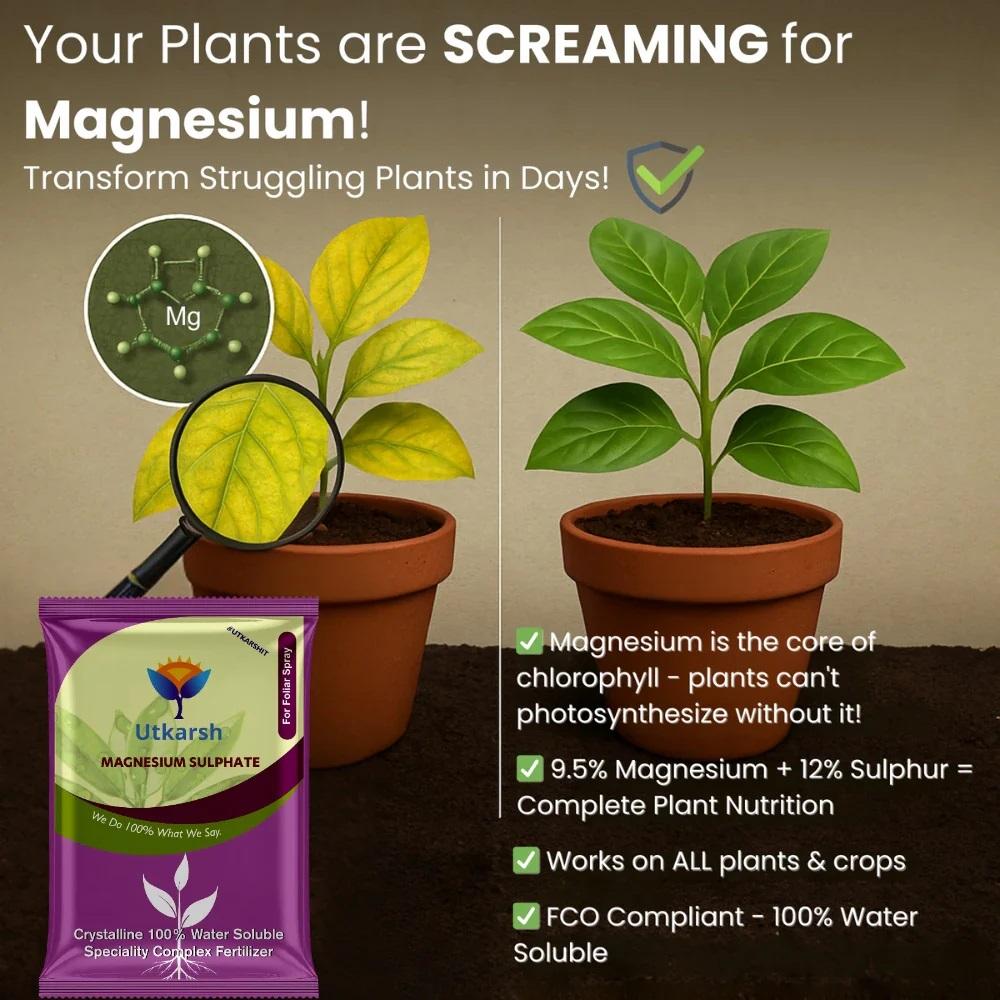
Healthy crops need more than just basic nutrients like nitrogen and phosphorus. Micronutrients also play a key role in plant development, even though they are required in small amounts. EDTA micronutrient fertilizer helps deliver these essential nutrients in a form that plants can easily absorb. Many farmers face issues like yellowing leaves, poor growth, and low yield due to micronutrient deficiency. Using the right fertilizer can solve these problems effectively. This article explains how these fertilizers work, their benefits, and how to use them properly for better results.
Why Micronutrients Are Important for Plants
Plants need micronutrients such as iron, zinc, manganese, and copper for proper growth. Even a small deficiency can affect crop health.
Common signs of deficiency include:
-
Yellowing of leaves
-
Weak plant growth
-
Reduced flowering and fruiting
-
Poor crop quality
Micronutrients support enzyme activity and help in photosynthesis. Without them, plants cannot perform essential functions properly.
What Is the Use of EDTA in Fertilizer?
EDTA is a chelating agent. It binds with micronutrients and helps them remain available for plant uptake. This is especially useful in soils where nutrients become unavailable due to pH imbalance.
When micronutrients are chelated with EDTA:
-
They do not get locked in the soil
-
Plants absorb them more easily
-
Nutrient efficiency improves
-
Loss of nutrients is reduced
To understand more about how it works in farming, you can explore this guide on EDTA micronutrient fertilizer.
What Is Chelated Micronutrient Fertilizer Used For?
Chelated micronutrient fertilizers are mainly used to correct nutrient deficiencies quickly. They are highly effective because nutrients are already in an absorbable form.
Farmers use them for:
-
Improving plant growth
-
Enhancing leaf color and health
-
Increasing crop yield
-
Boosting resistance to stress
They are suitable for a wide range of crops including vegetables, fruits, and cereals.
Understanding Foliar Spray Application
Foliar spraying is a method where nutrients are applied directly to plant leaves. This allows faster absorption compared to soil application.
One popular option is Fe Zn foliar spray, which supplies iron and zinc directly to the plant.
Benefits of Foliar Spray
-
Quick correction of deficiencies
-
Better nutrient absorption
-
Immediate visible results
-
Reduced nutrient loss
This method is especially useful when plants show sudden signs of deficiency.
What Is the Best Time to Foliar Spray?
Timing plays an important role in the effectiveness of foliar sprays. The best time is during early morning or late evening.
During these times:
-
Temperature is lower
-
Evaporation is reduced
-
Leaves can absorb nutrients better
Avoid spraying during hot afternoons as it can reduce effectiveness and may harm the leaves.
How Many Times Should You Spray Foliar Fertilizer?
The number of applications depends on the crop and its condition. In most cases, spraying 2 to 3 times during the growth stage is enough.
General guidelines include:
-
First spray during early growth
-
Second spray before flowering
-
Third spray during fruit development
Overuse should be avoided, as it may not provide additional benefits.
Benefits of Using Micronutrient Fertilizers
Using the right micronutrient fertilizer can improve overall crop performance. Some key benefits include:
-
Better plant growth and development
-
Improved chlorophyll formation
-
Higher resistance to diseases
-
Increased yield and quality
These fertilizers help plants grow stronger and healthier.
Common Mistakes to Avoid
Farmers sometimes make errors while using micronutrient fertilizers. Avoid these common mistakes:
Incorrect Dosage
Using too much or too little can affect results. Always follow recommended guidelines.
Wrong Application Time
Spraying at the wrong time reduces effectiveness.
Mixing with Incompatible Chemicals
Some fertilizers should not be mixed with certain pesticides or chemicals.
Ignoring Soil Conditions
Soil pH and condition affect nutrient availability. Always consider soil health.
Choosing the Right Product
Selecting a good quality fertilizer is important for achieving the desired results. Look for products that are reliable and tested.
A few factors to consider:
-
Composition of nutrients
-
Ease of application
-
Compatibility with crops
-
Brand reputation
Companies like Utkarsh Agro provide solutions that are suitable for different farming needs.
Conclusion
Micronutrients play a vital role in plant health, and using the right fertilizer can make a significant difference. EDTA-based fertilizers help ensure that nutrients remain available for plant absorption, even in challenging soil conditions. Foliar sprays provide a quick solution for correcting deficiencies and improving crop growth. Proper timing, correct dosage, and good farming practices are essential for the best results. Avoiding common mistakes can help you get the most out of your fertilizer use. With the right approach, farmers can improve both crop quality and yield effectively.


 English
 Arabic
 French
 Portuguese
 Deutsch
 Turkish
 Dutch
Dutch
 Italiano
 Russian
 Romaian
 Portuguese (Brazil)
 Greek
Greek