


Edible Pink Salt & Decor: The Aesthetic Mineral
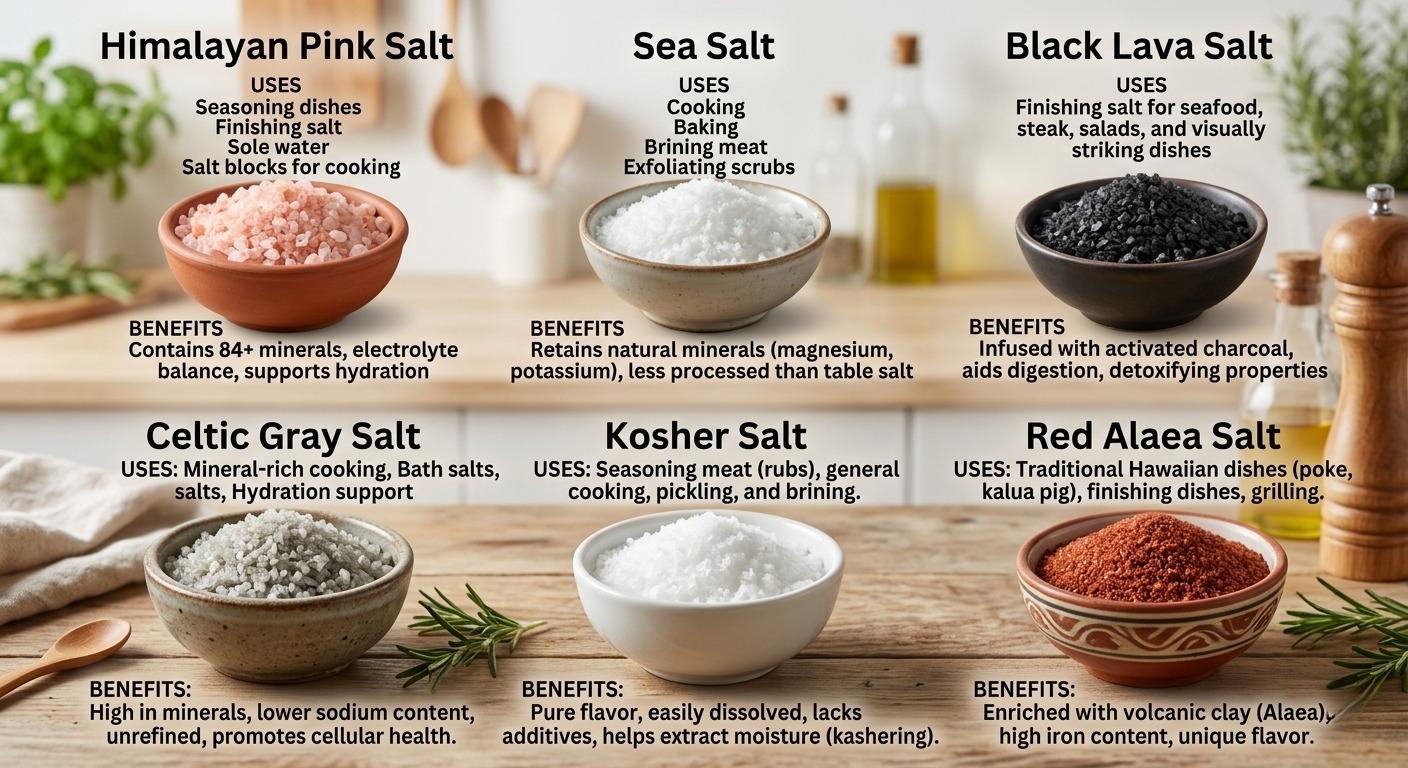
Pink Himalayan salt is more than just something you sprinkle on your food. It’s become a way of life. Most of it comes from the Khewra Salt Mine in Pakistan. People love it because of its pretty pink color, which comes from tiny amounts of iron, magnesium, and potassium. Chefs like it too, because it’s not messed with too much and doesn’t have any of the bad stuff that’s in regular table salt. This kind of salt is special because it’s not processed as much as other salts, and that’s why it’s a favorite among people who care about what they eat.
The popularity of pink salt has gone beyond the kitchen, with the Decor segment experiencing a huge surge in growth. People all over the world are using salt lamps, which are made from big chunks of rock salt, in their homes and wellness centers, thinking they help clean the air by releasing ions. Also, salt bricks and tiles are being used in fancy interior design to create “salt caves” or pretty backlit walls in spas and luxury homes. This unique thing about pink salt – being both a high-end food ingredient and a centerpiece for home decor – has made it a billion-dollar industry worldwide.
Industrial & Edible Salt: The Purity Divide
The most critical distinction in the salt trade is the line between Industrial & Edible Salt. While both are chemically composed of sodium chloride ($NaCl$), the standards for their production are worlds apart. Edible salt is a food-grade product that must meet strict health and safety regulations, often requiring a purity level of 97% to 99%. It is frequently fortified with iodine to prevent nutritional deficiencies, a public health success story that has virtually eliminated goiters in many regions.
Industrial salt is really important for our economy – it’s used in a huge number of ways, over 14,000 to be exact. One of the main uses is in the chemical industry, where it helps make chlorine and caustic soda, which are essential for producing things like plastic, glass, and detergents. It’s also used a lot for softening water and keeping roads safe in cold weather by stopping ice from forming. The thing is, industrial salt is different from the salt we eat – it can have special additives that stop it from getting lumpy, or tiny amounts of chemicals that wouldn’t be safe for us to eat, but are perfect for keeping machines running and roads clear.
Bulk Rock & Refined Salt: From Mine to Table
The story of salt usually starts in two different ways: it’s either bulk rock salt or refined salt. Bulk rock salt is taken straight from underground mines, which are basically what’s left of old oceans that dried up a long time ago. In its natural state, rock salt is made up of big, uneven crystals that are often used for things like treating animal hides or melting ice on roads. But when rock salt is meant for cooking, it gets crushed and sorted into different sizes, from big coarse grains like kosher salt to really fine powders. This process helps get the salt to the right size for different uses in the kitchen.
Refined salt, also known as vacuum salt, is made using a pretty complex process. First, saltwater, or brine, is pumped out of underground deposits. Then, it’s evaporated in special vacuum pans. This creates a really pure and uniform salt that’s also very fine-grained. Most table salts are made this way so they taste and feel the same every time. Some people like the texture and extra minerals in unrefined rock salt, but refined salt is still the favorite for big food companies because it works well in recipes and lasts a long time.
Edible & Low-cost Salt: The Staple of the Masses
For a lot of people around the world, salt is something they can’t live without – it’s not a treat, but a necessity. That’s where simple, affordable salt comes in. In many parts of the world where people don’t have a lot of money, like in some countries that are still developing or in rural areas, people use salt that’s made from seawater that’s been dried out by the sun or from rocks that have been crushed up. This kind of salt is made with very basic tools, so it doesn’t cost a lot, which means that regular people can buy it and use it every day to get the sodium their bodies need to function properly.
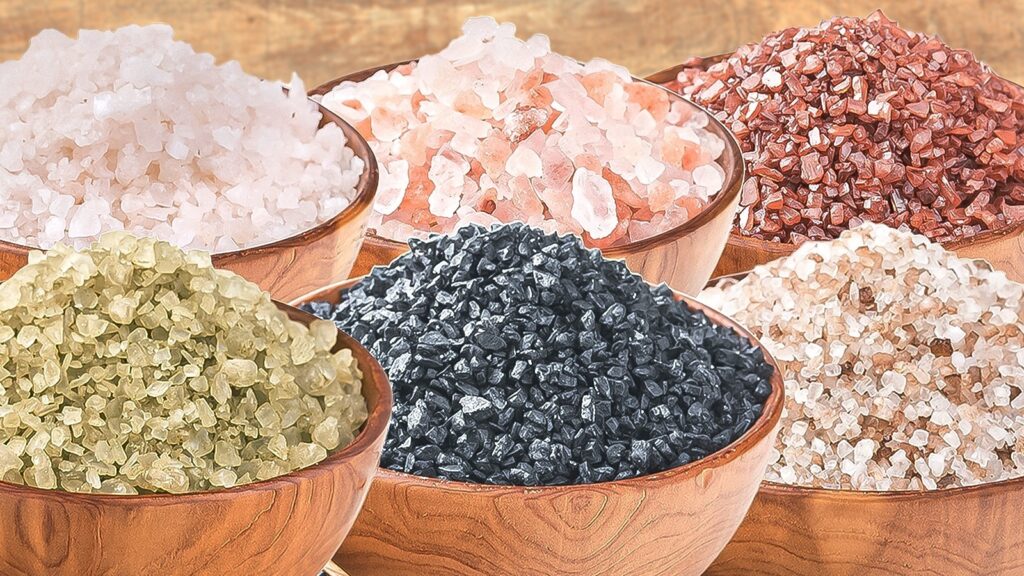
Just because something is cheap, doesn’t mean it’s bad. In fact, governments and health organizations often work with companies that make affordable salt to make sure it’s good for people to eat. They add important nutrients like iodine to the salt. In countries like Pakistan, India, and some parts of Africa, regular salt is the main way people get these nutrients. It might not look fancy or have a cool color, but lots of people use it, so even families who don’t have a lot of money can get safe, healthy salt. This kind of salt is used by more people than any other kind, which is really important for keeping people healthy.
The Future of the Salt Trade
As 2026 unfolds, the salt industry is getting more specialized. These days, people are willing to pay extra for salts that have a story behind them – like black salt that comes from volcanoes or the ancient history of the Himalayas. At the same time, big companies are trying to find ways to harvest salt that are better for the environment. Salt is still the most important mineral on the planet, and it’s used in all sorts of ways – from decorating homes to preserving food in far-off villages. It’s a connection between the old Earth and our modern lives. Whether it’s used for something fancy or something simple, salt remains a vital part of our daily lives.

 English
 Arabic
 Spanish
 Portuguese
 Deutsch
 Turkish
 Dutch
Dutch
 Italiano
 Russian
 Romaian
 Portuguese (Brazil)
 Greek
Greek