


Ocean Freight Shipping: The Backbone of Global Trade
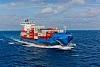
Ocean freight shipping is one of the most essential components of international logistics, enabling businesses to transport goods across continents in a cost-effective and reliable manner. As global trade continues to expand, ocean freight shipping remains the preferred choice for moving large volumes of cargo, from raw materials to finished products. Its affordability, scalability, and efficiency make it a vital solution for businesses of all sizes.
What is Ocean Freight Shipping
Ocean freight shipping refers to the transportation of goods via cargo ships across oceans and seas. It is commonly used for international shipments where cost efficiency is a priority. Goods are typically packed into containers and shipped through major ports worldwide, ensuring safe and organized delivery.
Types of Ocean Freight Shipping
There are two primary types of ocean freight shipping:
Full Container Load (FCL):
FCL shipping is ideal for large shipments where a single customer uses an entire container. It offers better security, reduced handling, and faster transit times.
Less than Container Load (LCL):
LCL shipping is suitable for smaller shipments that do not require a full container. Goods from multiple shippers are consolidated into one container, making it a cost-effective option.
Benefits of Ocean Freight Shipping
One of the biggest advantages of ocean freight shipping is its cost-effectiveness. Compared to air freight, it is significantly cheaper, especially for heavy or bulky goods. This makes it the preferred option for businesses involved in large-scale import and export.
Ocean freight shipping also offers high capacity, allowing businesses to transport large volumes in a single shipment. Additionally, it is considered more environmentally friendly, producing lower carbon emissions compared to air transport.
Another key benefit is global reach. Ocean freight shipping connects major ports worldwide, enabling businesses to expand into international markets with ease.
Ocean Freight Shipping Process
The process of ocean freight shipping involves several steps:
- Booking: Reserving space on a cargo vessel
- Packaging: Properly packing goods to prevent damage
- Documentation: Preparing shipping documents such as the bill of lading
- Customs Clearance: Ensuring compliance with import/export regulations
- Loading and Transit: Shipping goods via sea routes
- Delivery: Final transportation to the destination
Freight forwarders play a crucial role in managing this process and ensuring smooth operations.
Challenges in Ocean Freight Shipping
Despite its many benefits, ocean freight shipping also has some challenges. Transit times are longer compared to air freight, which may not be suitable for urgent deliveries. Weather conditions, port congestion, and customs delays can also impact shipping schedules.
However, with proper planning and the right logistics partner, these challenges can be effectively managed.
Technology and Innovation
Modern ocean freight shipping is evolving with the use of advanced technologies. Real-time tracking systems, automated documentation, and digital logistics platforms have improved transparency and efficiency. Businesses can now monitor shipments and make informed decisions throughout the shipping process.
Conclusion
Ocean freight shipping continues to be the backbone of global trade, offering reliable and cost-effective solutions for transporting goods internationally. Its ability to handle large volumes, reduce costs, and support sustainable practices makes it an ideal choice for businesses looking to expand globally. By understanding the process and choosing the right shipping partner, companies can optimize their supply chain and achieve long-term success in international markets.

 English
 French
 Spanish
 Portuguese
 Deutsch
 Turkish
 Dutch
Dutch
 Italiano
 Russian
 Romaian
 Portuguese (Brazil)
 Greek
Greek