


Why Structural Retrofitting is Important for Indian Buildings
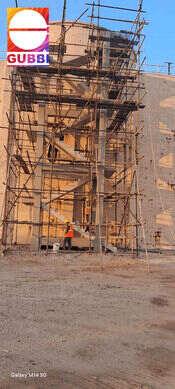
Retrofitting has become an essential solution in India’s evolving construction landscape, where many buildings are aging or were built without modern safety standards. Instead of demolishing structures, retrofitting strengthens and upgrades them to meet current requirements. This approach is both cost-effective and practical, especially in urban areas where space is limited and reconstruction can disrupt daily life and business operations significantly.
What is Structural Retrofitting?
Structural retrofitting refers to the process of modifying existing buildings to improve their strength, stability, and durability. It is commonly used to enhance resistance against earthquakes, environmental stress, and load-bearing issues. In India, where seismic zones vary widely, retrofitting ensures buildings can withstand potential disasters while extending their functional lifespan without requiring complete redevelopment or rebuilding.
Why Retrofitting is Gaining Importance in India
India has a large number of older buildings that were constructed without adherence to modern codes. Rapid urbanization and increased safety awareness have made retrofitting more relevant than ever. Property owners now prefer upgrading structures rather than replacing them entirely. Retrofitting not only improves safety but also increases property value, making it a smart long-term investment for residential, commercial, and industrial buildings.
Common Reasons for Structural Retrofitting
Buildings often require retrofitting due to structural deterioration, design flaws, or changes in usage. For example, converting a residential building into a commercial space may demand higher load capacity. Similarly, exposure to moisture, corrosion, and environmental damage weakens structures over time. Retrofitting addresses these issues effectively, ensuring that the building remains safe and functional for years to come.
Types of Retrofitting Techniques Used in India
There are several retrofitting methods used based on the building’s condition and requirements. These include concrete jacketing, steel jacketing, fiber-reinforced polymer wrapping, and foundation strengthening. Each method serves a specific purpose and is selected after detailed structural analysis. The right technique ensures optimal performance, durability, and compliance with safety standards without unnecessary expenditure.
Seismic Retrofitting for Earthquake Resistance
Seismic structural retrofitting services in india is one of the most crucial services, especially in earthquake-prone regions. This process strengthens buildings to resist seismic forces and minimize damage during earthquakes. Techniques such as base isolation, bracing systems, and shear wall additions are commonly used. These improvements significantly reduce the risk of structural failure, protecting both occupants and investments.
Benefits of Retrofitting Over Reconstruction
Retrofitting offers several advantages compared to demolishing and rebuilding structures. It is generally more affordable, quicker to implement, and less disruptive. Additionally, it preserves the original structure, which can be important for heritage or occupied buildings. Retrofitting also reduces construction waste, making it an environmentally responsible choice for property owners looking to upgrade their buildings.
Cost Factors in Structural Retrofitting Services
The cost of retrofitting depends on multiple factors, including the building’s condition, size, and required upgrades. Detailed inspections and structural audits are necessary to determine the exact scope of work. While retrofitting may seem expensive initially, it is often more economical than reconstruction. Moreover, the long-term benefits of improved safety and durability outweigh the upfront investment.
Structural Audit: The First Step
Before starting any retrofitting project, a structural audit is conducted to assess the building’s current condition. This includes checking for cracks, corrosion, load capacity, and overall stability. The audit helps engineers identify weaknesses and recommend suitable retrofitting solutions. A thorough evaluation ensures that the chosen methods effectively address all structural concerns without unnecessary modifications.
Materials Used in Retrofitting
Modern retrofitting relies on advanced materials that enhance strength without adding excessive weight. Fiber-reinforced polymers, high-strength concrete, and corrosion-resistant steel are commonly used. These materials improve performance while maintaining structural balance. Their durability and efficiency make them ideal for upgrading older buildings to meet current engineering standards and safety requirements.
Retrofitting for Commercial Buildings
Commercial buildings often undergo retrofitting to meet updated safety codes and operational demands. Offices, malls, and industrial facilities require strong structures to support heavy loads and continuous usage. Retrofitting ensures these buildings remain compliant and safe while minimizing downtime. It also enhances the overall efficiency and lifespan of the structure, making it suitable for modern business needs.
Retrofitting for Residential Properties
Residential retrofitting focuses on improving safety and comfort for occupants. Older homes may have weakened structures or outdated designs that need reinforcement. Retrofitting enhances stability, prevents structural damage, and ensures better resistance to environmental factors. Homeowners benefit from increased property value and peace of mind, knowing their living space is secure and reliable.
Industrial Retrofitting Applications
Industrial structures require specialized retrofitting solutions due to heavy machinery and dynamic loads. Factories and warehouses often experience structural stress over time, making upgrades necessary. Retrofitting ensures these facilities remain operational without compromising safety. It also helps industries comply with regulatory standards and maintain productivity without interruptions caused by structural failures.
Importance of Expert Engineering in Retrofitting
Retrofitting is a highly technical process that requires experienced professionals. Engineers must carefully analyze structural behavior and design appropriate solutions. Poorly executed retrofitting can lead to further damage or inefficiency. Therefore, choosing skilled experts ensures that the project is completed safely, efficiently, and in compliance with industry standards.
Government Regulations and Safety Standards
In India, retrofitting projects must adhere to building codes and safety regulations. Authorities have introduced guidelines to ensure structural integrity and disaster preparedness. Compliance with these standards is essential for legal approval and long-term safety. Professional service providers ensure that all retrofitting work meets the required norms, reducing risks and ensuring reliability.
Challenges in Retrofitting Projects
Retrofitting can present challenges such as limited access, occupied buildings, and structural complexities. Engineers must work around existing conditions without compromising safety. Careful planning and execution are required to overcome these obstacles. Despite these challenges, retrofitting remains a practical solution for upgrading structures without the need for complete reconstruction.
Sustainable Aspects of Retrofitting
Retrofitting contributes to sustainability by reducing construction waste and conserving resources. Instead of demolishing buildings, it reuses existing structures, minimizing environmental impact. This approach aligns with green building practices and supports sustainable urban development. Property owners can improve their buildings while also contributing to environmental conservation.
How to Choose the Right Retrofitting Service Provider
Selecting the right service provider is crucial for a successful retrofitting project. Look for companies with proven experience, technical expertise, and a strong portfolio. A reliable provider conducts thorough assessments, offers transparent solutions, and ensures quality execution. Proper planning and professional handling make a significant difference in the outcome of the project.
Future of Structural Retrofitting in India
The demand for retrofitting services in India is expected to grow as infrastructure ages and safety awareness increases. With advancements in technology and materials, retrofitting solutions are becoming more efficient and accessible. This trend highlights the importance of upgrading existing structures to meet modern requirements while preserving resources and minimizing environmental impact.
structural retrofitting services in India
Retrofitting is a practical and efficient solution for strengthening existing structures in India. It addresses safety concerns, enhances durability, and extends the lifespan of buildings without requiring complete reconstruction. Whether for residential, commercial, or industrial applications, retrofitting plays a vital role in modern construction and infrastructure development across the country.
For reliable and professional retrofitting solutions, Gubbi Civil Engineers Limited is a trusted name in the industry. With expertise in structural analysis and advanced retrofitting techniques, they provide tailored solutions that ensure safety, durability, and compliance with modern engineering standards. Their experience makes them a dependable choice for upgrading and strengthening structures across India.

 English
 Arabic
 French
 Spanish
 Portuguese
 Deutsch
 Turkish
 Italiano
 Russian
 Romaian
 Portuguese (Brazil)
 Greek
Greek