


Remote Monitoring Tips for Used Motor Graders
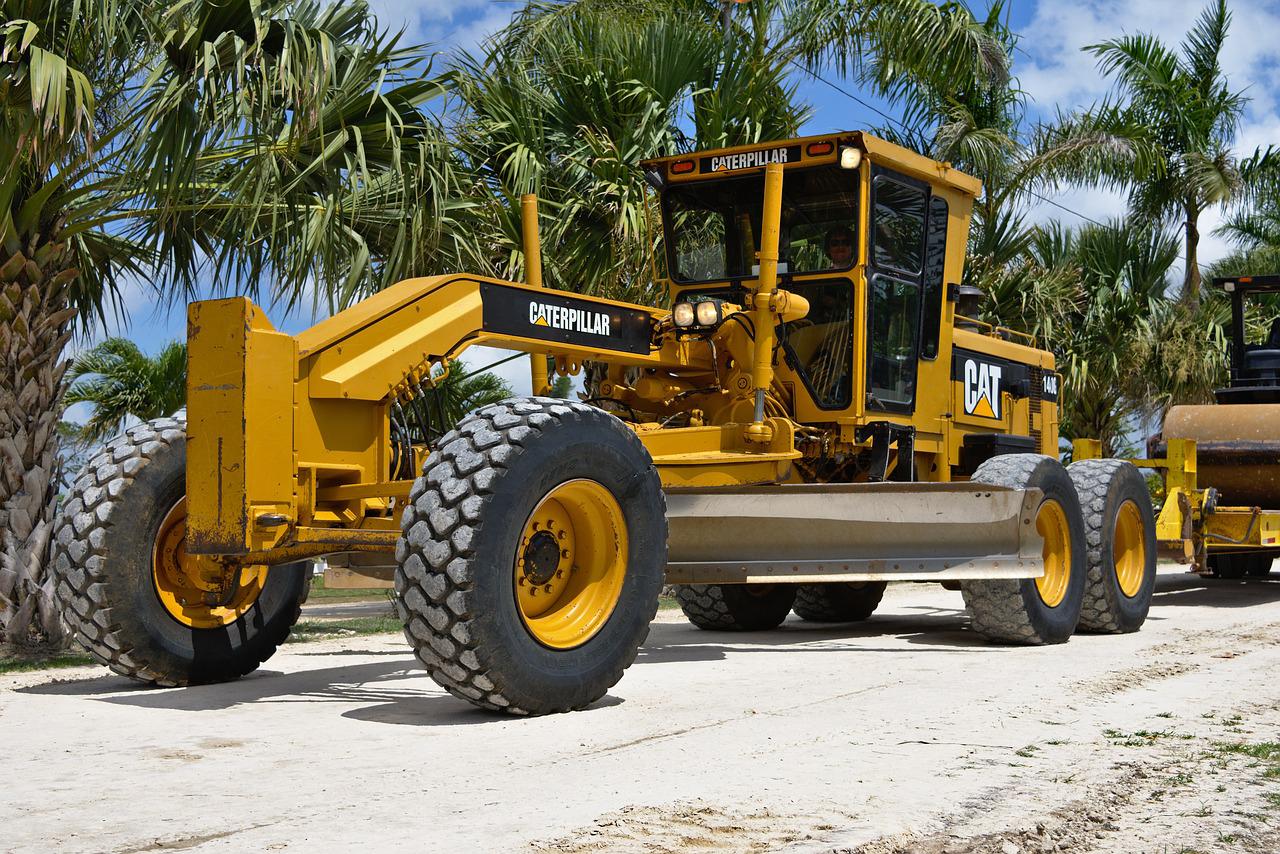
Remote monitoring has truly changed the game for used motor graders and is no longer limited to new equipment. By incorporating sensors, telematics, and GPS tracking, fleet managers can switch from reactive firefighting to proactive maintenance by having remote access to real-time machine data. This solves the common problems with older technology, such as unplanned malfunctions, poor fuel use, and unauthorized use.
Here are some practical setup advice, techniques to enhance uptime and efficiency, and an explanation of what remote monitoring actually comprises and how it helps used motor graders.
What Is Remote Monitoring?
Remote monitoring combines hardware and software to track and analyze equipment performance continuously.
-
Engine diagnostics, running hours, fuel usage, and trouble codes are recorded by telematics devices.
-
Geofencing, route history, and location are all provided by GPS tracking.
-
IoT sensors use pressure, temperature, and vibration measurements to identify early wear indicators.
Remote monitoring detects patterns, predicts possible faults, and sets off automated alarms, in contrast to traditional inspections that depend on recurring manual checks. This technique can actually increase the lifespan of older computers by identifying problems before they become serious.
Benefits of Remote Monitoring for Used Motor Graders
Reduce Downtime with Real Data
Real-time notifications for fault codes, low oil pressure, or engine overheating are one instant advantage. Instead of using random intervals, fleet managers can plan maintenance based on actual consumption. A case study on a construction fleet revealed that installing remote monitoring on older equipment reduced downtime by 48%.
Better Asset Utilization
In order to maximize machine deployment, remote monitoring keeps track of operation patterns and idle hours. Businesses can improve cost efficiency by redistributing equipment or modifying fleet size by knowing which used graders are underutilized.
Cost Savings
Remote diagnostics save time and labor by reducing needless on-site visits. Fuel expenditures can be reduced by up to 15% a year through preventive interventions like tuning or operator coaching made possible by tracking patterns in fuel consumption.
Safety and Security
Geofencing and GPS tracking guard against theft and illegal usage of equipment. Targeted safety training is guided by sensor data analysis of operator behavior, which lowers the chance of accidents.
Common Monitoring Tools & Technologies Explained
-
Telematics devices: It tracks position, engine hours, and problems in real time. They frequently have dashboards that can be accessed through mobile apps for more efficient fleet management.
-
GPS tracking systems: Keep tabs on where you are and how you move about construction sites. If a grader departs from assigned zones, geofencing notifies the user.
-
IoT sensors: Monitor vibrations, temperature, and oil pressure to feed predictive maintenance models that notify operators prior to malfunctions. By doing this, expensive repairs are avoided and machine life is increased.
How to Set Up Remote Monitoring for a Used Motor Grader
Selecting the Appropriate System
Choose a telematics system that works with older students. Look for features like historical reporting, configurable alarms, and mobile dashboard access.
Setting Up and Configuring Sensors
Install engine sensors and GPS securely to guarantee dependable connectivity. Uneven calibration or poor installations that result in irregular data loss are common errors.
Setting Thresholds and Alerts
Establish cutoff points for idle time, oil pressure, engine temperature, and geofence violations. This prevents alert fatigue from false positives and guarantees proactive maintenance and security.
Including Maintenance Schedules
Utilize the information gathered to effectively plan maintenance windows, minimizing downtime and repair expenses while preserving peak performance.
How to Use Remote Data to Improve Performance
Identifying Patterns of Wear
To find irregularities before failure, compare engine hours and workload data across machines. Weeks before a collapse, patterns frequently become apparent.
Enhancing Operator Efficiency
Determine ineffective behaviors, such as aggressive blade work, harsh handling, and needless idling. Targeted training should be given using real data, not guess.
Optimization of Fuel
Track consumption patterns to identify machines that need change. Over the course of a fleet, minor efficiency improvements add up to significant savings.
Safety & Security Tips Unique to Remote Monitoring
Geofencing to Prevent Unauthorized Use
Establish virtual borders for job sites. In order to prevent theft or abuse, alerts sound if a grader leaves these areas.
Remote Alerts for Safety Hazards
Operators or supervisors are immediately notified of temperature spikes, unusual vibrations, or dangerous operating conditions, allowing for prompt response.
Monitoring in Harsh Conditions
By eliminating the need for staff to personally inspect graders in hazardous or isolated locations, remote solutions help to eliminate safety hazards.
Challenges & How to Overcome Them
-
Problems with connectivity: For remote locations, use devices with satellite connectivity or offline data storage. Broken connections are handled generously by modern systems.
-
Compatibility with older graders: Before making a purchase, make sure the CAN bus or diagnostic output is supported. You can restore the majority of equipment made in the last 15 years.
-
Initial cost concerns: Determine ROI by reducing downtime, preventing theft, and saving money on maintenance. Equipment that is actively used usually pays for itself in 12 to 18 months.
Use encrypted telematics platforms and restrict access to authorized staff for privacy and data protection. Sensitive operational data is thus safeguarded.
On-Site vs Remote Monitoring
For ongoing supervision and trend analysis, remote monitoring is ideal. For pre-operation checks, visual wear inspection, and safety validation, on-site inspections are still crucial. Combining the two methods increases machine longevity, safety, and uptime. They are best used in tandem; neither completely replaces the other.
Getting Started
The management of utilized motor graders is revolutionized by remote monitoring, which improves job site safety, operational efficiency, and maintenance intelligence. As you observe results, progressively move on to IoT sensors and predictive maintenance from GPS tracking and simple engine alerts.
You can maximize the value of your fleet by utilizing real-time data to save downtime, save money, and prolong equipment life. The technology only pays for itself by preventing malfunctions; efficiency improvements are a bonus.
The issue is no longer whether or not to use remote monitoring. It's the speed at which you can implement it throughout your fleet.
FAQ's
Is remote monitoring truly necessary for used motor graders?
Indeed. Data-driven maintenance greatly increases equipment life and decreases downtime.
Can previous models of telematics be retrofitted?
The majority of older graders can be retrofitted, but make sure it works with your particular model first.
What occurs if the device stops working?
To ensure that you don't lose important data, modern gadgets store data locally until connectivity is restored.
Will operator conduct truly improve as a result of monitoring?
Indeed. Performance reports and alerts direct training and encourage safer, more effective operations.

 English
 Arabic
 Spanish
 Portuguese
 Deutsch
 Turkish
 Dutch
Dutch
 Italiano
 Russian
 Romaian
 Portuguese (Brazil)
 Greek
Greek