


Elderly Care at Home: The Ultimate Guide to Safe, Comfortable, and Dignified Living
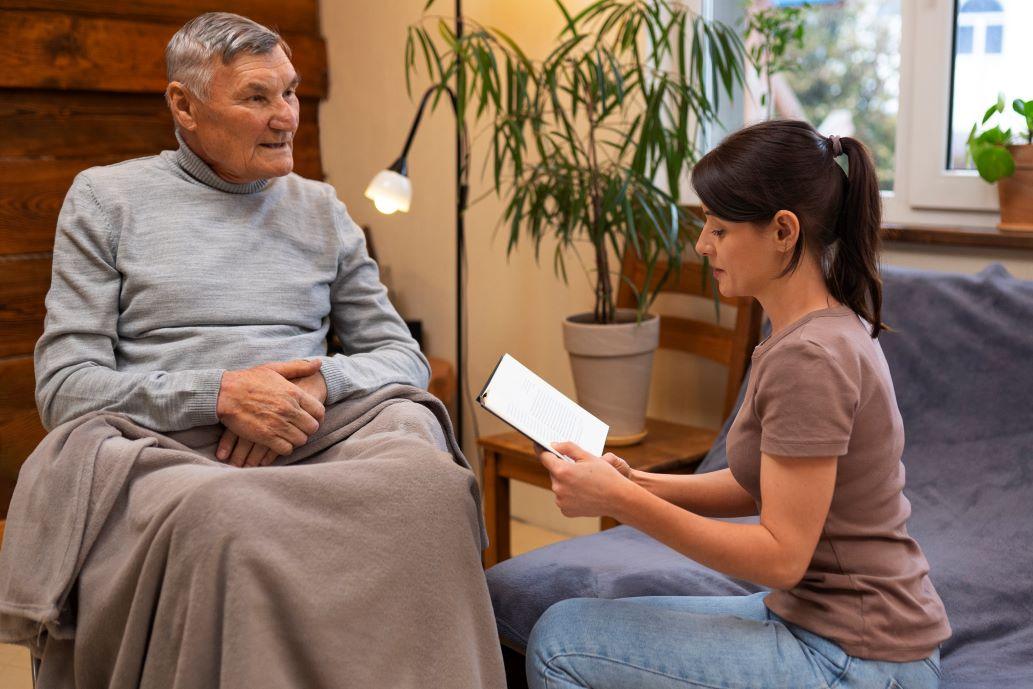
Elderly care at home is a personalized care service designed to support older adults in the comfort of their own homes rather than relocating them to hospitals or nursing facilities. It focuses on maintaining independence while providing necessary assistance with daily activities, healthcare needs, and emotional well-being. Instead of adjusting life around a care facility, this approach brings care directly into the individual’s familiar environment.
At its heart, elderly home care is about dignity and choice. Growing older often comes with physical limitations, but that doesn’t mean losing control over one’s lifestyle. Home care empowers seniors to continue living on their terms—keeping their routines, enjoying their favorite spaces, and staying connected to family and community.
This care model is also highly flexible. Services can range from a few hours of help each week to full-time assistance, depending on individual needs. Whether it’s help with cooking meals, managing medications, or simply having someone to talk to, elderly care at home adapts to each person’s unique situation. It’s not a one-size-fits-all solution—it’s a tailored experience designed to enhance quality of life.
How It Differs from Institutional Care
The difference between home care and institutional care is like comparing a personalized experience to a standardized system. Nursing homes and assisted living facilities provide structured care in shared environments, while home care delivers individualized attention in a private setting.
In institutional care, staff members often care for multiple residents at once, which can limit the level of personal attention each individual receives. At home, the caregiver’s focus is entirely on one person, allowing for deeper connections and more attentive care.
There’s also an emotional difference. Being at home provides comfort, familiarity, and a sense of control that institutional settings often lack. Imagine waking up in your own bedroom, surrounded by memories, rather than in a shared facility—it makes a world of difference. This emotional advantage is one of the biggest reasons why elderly care at home is becoming increasingly popular.
Why Elderly Care at Home Is Increasing in Demand
Aging Global Population
The demand for elderly care at home is rising rapidly, largely due to the growing aging population worldwide. Advances in healthcare have increased life expectancy, meaning more people are living longer—and often requiring support in their later years.
This demographic shift is placing pressure on traditional healthcare systems. Hospitals and care facilities are struggling to accommodate the increasing number of elderly patients, making home-based care a practical and scalable solution. Families are turning to home care services as a way to ensure their loved ones receive quality support without overwhelming institutional resources.
Another factor is the changing expectations of older adults. Today’s seniors are more independent and informed than previous generations. They want care solutions that align with their lifestyles, not ones that force them into rigid systems. Elderly care at home meets these expectations by offering flexibility and personalization.
Desire for Independence and Familiarity
Let’s face it—most people prefer to stay in their own homes as they age. It’s where memories are made, routines are established, and comfort is found. This desire for familiarity is a powerful driver behind the popularity of home care services.
Studies show that a significant majority of seniors prefer aging in place rather than moving to care facilities. The emotional and psychological benefits of staying at home are substantial. Familiar surroundings can reduce stress, improve mood, and even enhance cognitive function in some cases.
Home care also allows seniors to maintain a sense of independence. They can continue making decisions about their daily lives, from what they eat to how they spend their time. This autonomy is essential for maintaining self-esteem and overall well-being.
Benefits of Elderly Care at Home
Comfort and Emotional Well-Being
There’s something incredibly reassuring about being in your own space. Home is more than just a place—it’s a feeling. Elderly care at home preserves this feeling, allowing seniors to receive support without sacrificing comfort.
Emotional well-being plays a crucial role in overall health. Seniors who feel secure and content are more likely to stay active, engaged, and positive. Home care fosters this environment by providing consistent support in a familiar setting.
It also reduces the stress associated with transitions. Moving to a new environment can be overwhelming, especially for older adults. Home care eliminates this challenge, allowing individuals to focus on their health and happiness instead of adapting to new surroundings.
Personalized Care Plans
One of the standout advantages of elderly home care is the ability to create customized care plans. Every individual has unique needs, preferences, and health conditions, and home care services are designed to reflect that.
Care plans are developed based on thorough assessments, taking into account medical requirements, lifestyle preferences, and personal goals. This ensures that every aspect of care is aligned with the individual’s needs.
Personalization also extends to daily routines. Caregivers can adapt their approach based on the senior’s habits and preferences, creating a more comfortable and effective care experience. It’s like having a care plan that evolves with you, rather than a fixed schedule you have to follow.
Cost-Effective Alternative
Cost is a major consideration when it comes to long-term care. Nursing homes and assisted living facilities can be expensive, especially for extended stays. Elderly care at home offers a more flexible and often more affordable option.
Families can choose services based on their budget, paying only for the care they need. This makes home care accessible to a wider range of people. It’s a practical solution that balances quality care with financial considerations.
Additionally, home care can reduce other expenses, such as transportation and hospital readmissions. By providing consistent support and monitoring, it helps prevent complications that could lead to costly medical interventions.
Types of Elderly Care Services at Home
Personal Care Assistance
Personal care assistance is one of the most common services in elderly home care. It involves helping seniors with daily activities such as bathing, dressing, grooming, and mobility. These tasks may seem simple, but they are essential for maintaining health and dignity.
Caregivers provide support in a respectful and compassionate manner, ensuring that seniors feel comfortable and valued. This type of care is particularly important for individuals with physical limitations or mobility challenges.
Beyond physical assistance, personal care also promotes independence. By providing the right level of support, caregivers enable seniors to continue participating in their daily routines, boosting confidence and self-esteem.
Medical and Nursing Care
For seniors with medical needs, home care can include professional nursing services. This may involve medication management, wound care, monitoring vital signs, and coordinating with healthcare providers.
Having access to medical care at home reduces the need for frequent hospital visits. It also provides a more comfortable and less stressful environment for treatment and recovery.
This type of care is especially beneficial for individuals with chronic conditions or those recovering from surgery. It ensures continuity of care while allowing seniors to remain in a familiar setting.
Companionship Services
Loneliness is a significant issue among older adults, and companionship services play a vital role in addressing it. Caregivers provide social interaction, emotional support, and engaging activities that improve mental well-being.
Whether it’s having a conversation, playing games, or going for a walk, these interactions help seniors stay connected and engaged. It’s not just about care—it’s about building meaningful relationships.
Companionship also benefits families by providing reassurance that their loved ones are not alone. It creates a support system that enhances overall quality of life.
Conclusion
Elderly care at home is more than just a service—it’s a compassionate approach to aging that prioritizes comfort, independence, and dignity. By bringing care into the home, it allows seniors to live their lives on their terms while receiving the support they need.
As the demand for personalized care continues to grow, home-based solutions are becoming an essential part of modern healthcare. They offer flexibility, affordability, and a human touch that institutional care often lacks. For families seeking a balanced and effective care solution, elderly care at home is a choice that truly makes a difference.
FAQs
1. What is elderly care at home?
It is a service that provides professional support to seniors in their own homes, including personal, medical, and emotional care.
2. Who needs elderly home care?
Seniors who need assistance with daily activities, medical care, or companionship can benefit from home care services.
3. Is home care better than a nursing home?
It depends on individual needs, but home care offers more personalized attention and allows seniors to stay in a familiar environment.
4. How much does elderly care at home cost?
Costs vary based on services and duration, but it is generally more flexible and often more affordable than institutional care.
5. What services are included in elderly home care?
Services include personal care, medical support, companionship, and assistance with daily activities.

 English
 Arabic
 French
 Spanish
 Portuguese
 Deutsch
 Turkish
 Dutch
Dutch
 Russian
 Romaian
 Portuguese (Brazil)
 Greek
Greek