


Everything You Need to Know About AC Duct Repairs: A Complete Guide
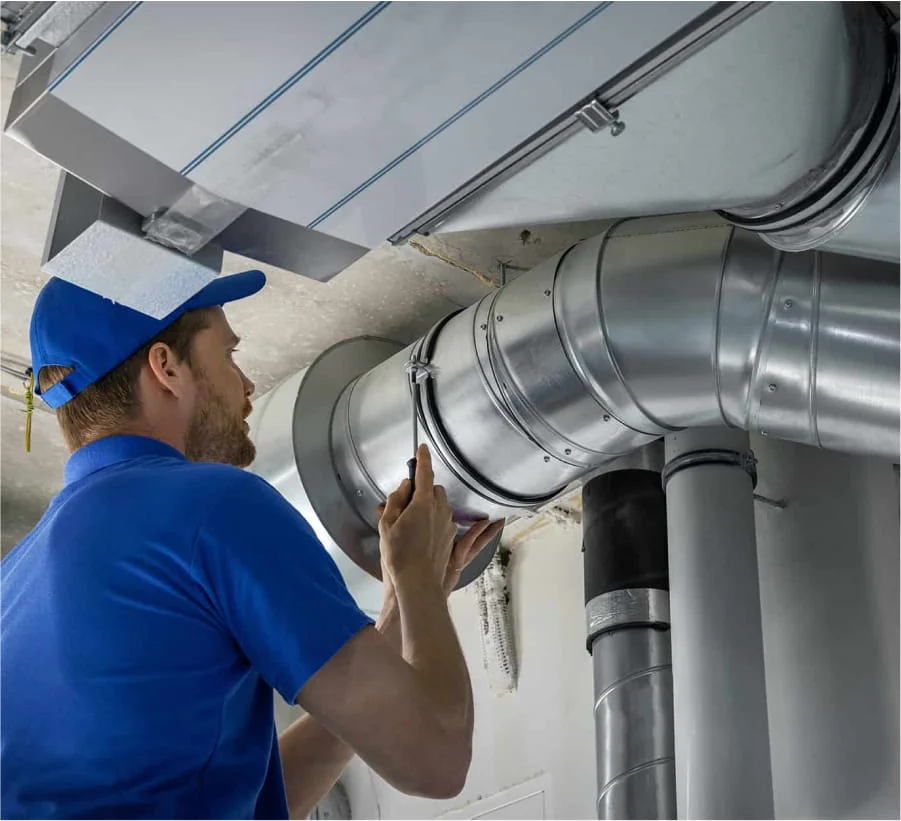
When it comes to maintaining a comfortable indoor environment, one of the most crucial elements of your home or business's HVAC system is the AC duct. The ducts are responsible for distributing cooled air from your air conditioning unit to every room in your home. Over time, wear and tear can affect the functionality of these ducts, leading to inefficient cooling, higher energy bills, and uneven temperature distribution. This is where AC duct repairs come into play. In this guide, we'll explore everything you need to know about AC duct repairs, including when to repair your ducts, how to maintain them, and why repairs are essential for your home's efficiency and comfort.
What Are AC Ducts and Why Are They Important?
AC ducts are a network of pipes, channels, or tubes that carry cooled air throughout your home. They connect the air conditioning unit to different rooms, ensuring that each space receives the proper airflow and temperature. The system works by drawing in warm air from your home, cooling it, and pushing it out through the ducts to maintain a comfortable environment.
The condition of your AC ducts directly affects the performance of your air conditioning system. Leaks, blockages, or damage can reduce airflow, making it harder for your AC to cool your home effectively. This is why proper AC duct repairs are essential to ensure your system operates efficiently.
Signs That You Need AC Duct Repairs
Before your system breaks down entirely, there are several warning signs that indicate your AC ducts may need repairs. Recognizing these symptoms early can save you money on more extensive repairs later.
-
Uneven Cooling: If certain rooms in your home are colder or warmer than others, it could be a sign that there is a problem with your AC ducts. Leaky or blocked ducts can cause air to be unevenly distributed, leading to temperature imbalances.
-
Higher Energy Bills: If you've noticed a spike in your energy bills despite no changes in your usage, it might be due to leaking or inefficient AC ducts. When ducts leak air, your AC has to work harder to maintain the desired temperature, leading to higher energy consumption.
-
Strange Noises: Unusual sounds like whistling, popping, or rattling noises from your ducts could indicate a problem with the ductwork. These noises often occur when there is a blockage, loose components, or a duct is in poor condition.
-
Weak Airflow: If the airflow from your vents feels weak or inconsistent, it could mean that the AC ducts are blocked, damaged, or have a build-up of debris. This impedes the air from traveling freely through the ducts, reducing the overall efficiency of your air conditioning system.
-
Visible Damage: If you have access to your ducts, look for visible signs of damage, such as cracks, holes, or disconnected sections. These can cause significant energy loss and poor cooling performance.
Common Problems with AC Ducts
There are several issues that can arise with AC ducts, leading to the need for repairs. Let’s go over some of the most common problems:
-
Leaky Ducts: Over time, the seals in your ductwork can degrade, allowing cooled air to escape. Leaks can occur at the joints, seams, or holes in the ducts, significantly reducing your system’s efficiency.
-
Clogged or Blocked Ducts: Dust, dirt, and other debris can accumulate inside the ducts, leading to blockages that restrict airflow. In severe cases, mold or mildew can also grow inside the ducts, which is not only unhealthy but also leads to reduced performance.
-
Disconnected Ducts: If your ducts become disconnected, air won’t flow properly through the system. This issue often arises in areas with extreme temperature changes or in homes with older duct systems that haven’t been properly maintained.
-
Duct Insulation Issues: Poor or damaged insulation can lead to heat loss or gain in your AC ducts, reducing the efficiency of your cooling system. Inadequate insulation can also cause moisture buildup, leading to mold growth.
-
Collapsed Ducts: If your ducts are made of flexible material, they may collapse over time due to excessive pressure or external damage. This collapse restricts airflow and can lead to uneven cooling in your home.
How AC Duct Repairs Work
When you call in a professional for AC duct repairs, the technician will begin by inspecting your duct system to identify the issue. The repair process typically involves the following steps:
-
Inspection: A technician will check your ducts for leaks, blockages, disconnected sections, or other issues that may be affecting airflow. This can involve both visual inspection and using specialized equipment like duct cameras to look inside.
-
Sealing Leaks: Leaky ducts are one of the most common problems. If leaks are found, the technician will seal them using a high-quality sealant or tape specifically designed for ductwork.
-
Cleaning Ducts: If your ducts are clogged with dust or debris, the technician will clean them using specialized tools. This can include vacuum systems that are designed to remove dirt and dust from the ducts without causing damage.
-
Insulating Ducts: If insulation is damaged or insufficient, the technician may recommend replacing or adding insulation to your ducts to improve efficiency and prevent heat loss.
-
Replacing Damaged Ducts: In severe cases where the ductwork is damaged beyond repair, sections of the ducts may need to be replaced. This ensures that air can flow freely and efficiently throughout your system.
-
Testing the System: After repairs are completed, the technician will test the system to ensure that the airflow is restored, and the air is cooling evenly throughout the home.
Benefits of AC Duct Repairs
Regular AC duct repairs can bring numerous benefits to your home or business:
-
Improved Efficiency: Fixing leaks and blockages in your ductwork ensures that air flows smoothly throughout your system, improving the efficiency of your air conditioning unit. This can lower your energy bills and reduce wear and tear on the system.
-
Enhanced Comfort: Properly functioning ducts ensure that air is evenly distributed throughout your home, keeping all rooms at a consistent and comfortable temperature.
-
Better Air Quality: Cleaning out dust, mold, and other contaminants from your AC ducts improves indoor air quality, making your home healthier and safer to breathe in.
-
Longer Lifespan of Your AC System: By maintaining your ducts, you can reduce the strain on your air conditioning system, which can extend its lifespan and reduce the need for costly repairs or replacements.
-
Lower Energy Costs: Sealing leaks and improving airflow reduces the amount of energy required to cool your home, leading to lower electricity bills.
When to Call a Professional for AC Duct Repairs
While some minor duct problems can be fixed with DIY methods, it’s always a good idea to call a professional for AC duct repairs. Here are some reasons why:
-
Complex Issues: If your ductwork is severely damaged, collapsed, or clogged with debris, it’s best to call a professional. They have the tools and expertise to identify and resolve these issues effectively.
-
Increased Efficiency: A professional will ensure that your duct system is properly sealed, insulated, and cleaned, helping to improve the overall efficiency of your HVAC system.
-
Health Concerns: If your ducts have mold, mildew, or harmful contaminants, it’s important to have a professional clean them to ensure the health and safety of your family.
How to Prevent Future AC Duct Problems
Preventative maintenance is key to avoiding costly AC duct repairs. Here are some tips to keep your ducts in great condition:
-
Schedule Regular Inspections: Have your ductwork inspected by a professional every few years to catch any potential issues early.
-
Change Air Filters Regularly: Keeping air filters clean reduces the amount of dust and debris that enters the duct system, minimizing the need for cleaning.
-
Seal Air Leaks: Make sure that all joints and seams are properly sealed to prevent air leaks.
-
Clean the Ducts: Regular cleaning of your ducts can help prevent blockages and improve airflow.
-
Add Insulation: Proper insulation reduces the risk of heat loss and prevents moisture buildup in your ducts.
FAQs About AC Duct Repairs
1. How do I know if my AC ducts need repairs?
Common signs that your AC ducts need repairs include uneven cooling, increased energy bills, strange noises, weak airflow, or visible damage like cracks and holes.
2. Can I repair my AC ducts myself?
While some minor issues like sealing small leaks with duct tape may be manageable, most AC duct repairs require professional expertise. It’s best to call in a technician for more complex issues like cleaning, replacing damaged ducts, or addressing blockages.
3. How long do AC duct repairs take?
The time it takes to complete AC duct repairs depends on the extent of the damage. Simple repairs can take a few hours, while more complex repairs may take a day or two.
4. How often should I get my AC ducts inspected?
It’s recommended to have your AC ducts inspected every 2-3 years. However, if you notice any issues like poor airflow or higher energy bills, it’s a good idea to schedule an inspection sooner.

 English
 Arabic
 French
 Spanish
 Portuguese
 Deutsch
 Turkish
 Dutch
Dutch
 Russian
 Romaian
 Portuguese (Brazil)
 Greek
Greek