


Buying Property in Greece: Avoid These Costly Mistakes First-Time Buyers Make
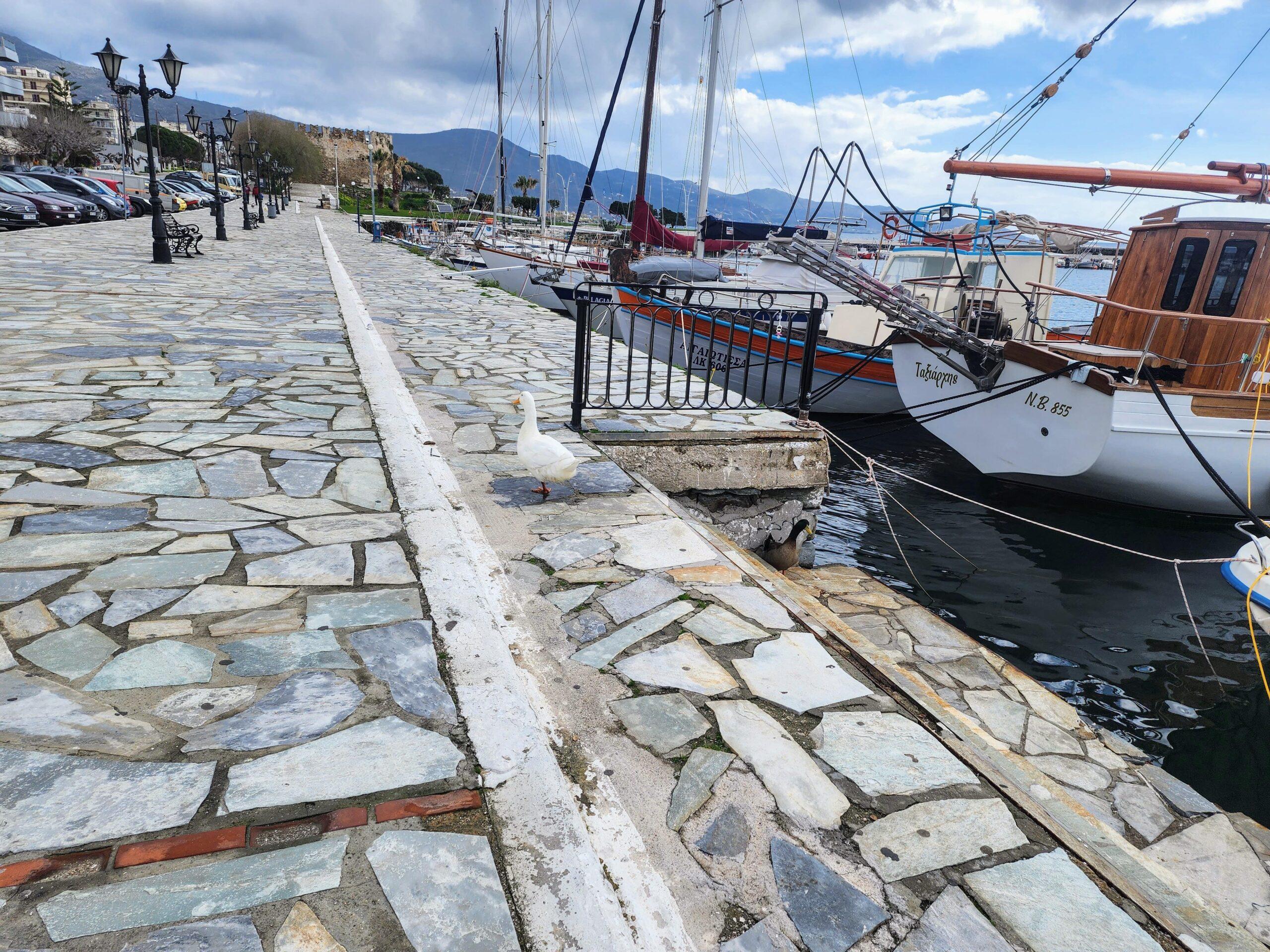
Buying property in Greece is an exciting opportunity for international investors, retirees, and holiday home seekers alike. From sun-drenched islands to vibrant mainland cities, the Greek real estate market offers strong rental potential and long-term growth. However, at Greece Invests, we have seen that first-time buyers often make avoidable mistakes that can lead to unnecessary stress, delays, or financial losses. Buying property in Greece requires careful planning, local knowledge, and professional guidance to ensure your investment delivers the returns and lifestyle you expect.
If you are considering entering the Greek property market in 2026, here are the most common mistakes first-time buyers make — and how to avoid them.
1. Failing to Define a Clear Investment Strategy
One of the biggest mistakes buyers make is jumping into the market without a clear goal. Are you purchasing for:
-
Short-term rental income?
-
Long-term residential leasing?
-
A holiday home with occasional rentals?
-
Permanent relocation?
-
Residency purposes?
For example, an apartment in central Athens may generate consistent year-round rental income, while a villa in Santorini may perform better as a seasonal luxury rental.
Without a defined strategy, buyers often choose properties that do not align with their financial objectives.
How to avoid it:
Clarify your investment goals before starting your property search.
2. Underestimating Total Purchase Costs
Many first-time investors focus only on the property price and forget additional expenses.
Buying property in Greece includes:
-
Property transfer tax (typically around 3%)
-
Legal fees
-
Notary fees
-
Real estate agent commissions
-
Land registry fees
-
Property inspection costs
These can add roughly 7–10% on top of the purchase price.
How to avoid it:
Request a full cost breakdown before committing to any transaction.
3. Skipping Legal Due Diligence
Greek property transactions are secure when handled correctly, but skipping proper legal checks can create serious problems.
Common legal issues include:
-
Undeclared building extensions
-
Zoning violations
-
Outstanding property debts
-
Incomplete ownership records
-
Land registry discrepancies
In cities like Thessaloniki or on popular islands such as Crete, older properties may have complex documentation histories.
How to avoid it:
Always hire an independent property lawyer to conduct full due diligence before signing a final contract.
4. Ignoring Location-Specific Market Differences
Not all Greek real estate markets behave the same way.
-
Mainland urban markets offer stable, year-round demand.
-
Islands often rely heavily on seasonal tourism.
-
Emerging regions may offer lower entry prices but slower appreciation.
Buying property in Greece without understanding these regional dynamics can result in unrealistic income expectations.
How to avoid it:
Study the specific micro-market rather than relying on national averages.
5. Overestimating Short-Term Rental Income
Many buyers are attracted by high summer rental rates but fail to calculate occupancy realistically.
Tourism-focused properties in Mykonos or other islands may perform exceptionally during peak season — but winter occupancy can drop significantly.
Relying solely on summer income projections can create cash flow challenges.
How to avoid it:
Base your financial calculations on conservative occupancy estimates and annual averages.
6. Not Considering Property Management
First-time buyers often underestimate the effort required to manage a property remotely.
Key management responsibilities include:
-
Marketing and bookings
-
Maintenance and repairs
-
Utility payments
-
Guest communication
-
Cleaning coordination
-
Tax compliance
Without local support, these tasks can become overwhelming.
How to avoid it:
Plan for professional property management, especially if you live abroad.
7. Focusing Only on Price, Not Value
A low price does not automatically mean a good investment. Some cheaper properties may require:
-
Extensive renovations
-
Legal corrections
-
Infrastructure upgrades
-
Structural repairs
In some cases, renovation costs can exceed initial expectations.
How to avoid it:
Evaluate long-term value, rental potential, and location appeal — not just purchase price.
8. Failing to Check Building Legality
Greek regulations require that properties meet legal building standards. Unauthorized constructions or unregistered extensions can create future complications.
This issue is particularly relevant for older island homes or rural properties.
How to avoid it:
Have a licensed engineer confirm the property complies with Greek building laws before completion.
9. Not Understanding Tax Obligations
Buying property in Greece involves ongoing financial responsibilities.
Owners must pay:
-
Annual property tax (ENFIA)
-
Income tax on rental earnings
-
Municipal fees
-
Utility charges
Foreign investors must also understand tax reporting obligations in their home country.
How to avoid it:
Consult both a Greek tax advisor and an accountant in your country of residence.
10. Letting Emotions Drive the Decision
Greece is beautiful. Buyers often fall in love with sea views, traditional architecture, or island charm.
While emotional connection is important, investment decisions must also be logical.
A stunning property without strong rental demand or resale potential may not meet long-term financial goals.
How to avoid it:
Balance emotional appeal with solid financial analysis.
11. Not Planning for Long-Term Exit Strategy
Many first-time buyers focus only on purchasing and forget to consider resale potential.
Questions to ask:
-
Is the property in a high-demand area?
-
Is there future infrastructure development nearby?
-
Will resale demand remain strong?
-
Is the property type popular among international buyers?
Properties in prime areas typically maintain stronger resale liquidity.
How to avoid it:
Think about your exit strategy before you buy.
12. Rushing the Process
Excitement and competitive markets sometimes push buyers to act too quickly.
Rushing may lead to:
-
Skipping inspections
-
Incomplete legal checks
-
Overpaying
-
Missing better opportunities
Buying property in Greece should be approached strategically and patiently.
How to avoid it:
Take time to compare properties, review documents carefully, and consult professionals.
Final Thoughts
Buying property in Greece can be a rewarding and profitable investment when handled correctly. The country offers strong tourism demand, lifestyle appeal, and long-term growth potential. However, first-time buyers who fail to plan carefully may encounter avoidable setbacks.
At Greece Invests, we believe informed investors make confident investors. By understanding the market, conducting proper legal checks, budgeting accurately, and aligning purchases with clear financial goals, you can avoid costly mistakes and secure a successful investment.
The Greek property market offers incredible opportunities — but success lies not in rushing toward the dream, but in building it step by step with knowledge and strategy.

 English
 Arabic
 Spanish
 Portuguese
 Deutsch
 Turkish
 Dutch
Dutch
 Italiano
 Russian
 Romaian
 Portuguese (Brazil)
 Greek
Greek