


Venous Leak (Venogenic Erectile Dysfunction)
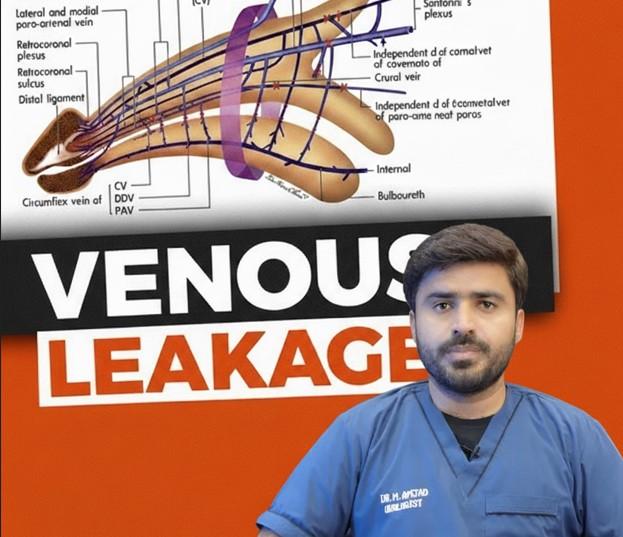
Venous leak, medically referred to as Venogenic Erectile Dysfunction, is a complex vascular condition and one of the lesser-discussed causes of Erectile Dysfunction (ED). Unlike common forms of ED that involve insufficient blood inflow, venous leak occurs when blood enters the penis normally but fails to remain trapped, making it difficult to maintain a firm erection.
This in-depth, SEO-optimized guide explores everything you need to know about venous leak—from physiology and root causes to advanced diagnostics, modern treatments, and long-term management.
What is Venous Leak?
Venous leak is a condition in which the veins inside the penis do not adequately compress during an erection, allowing blood to escape prematurely. This leads to:
- Inability to sustain erection
- Soft or unstable erections
- Reduced sexual performance
In a healthy erection:
- Blood flows into the penile chambers (corpora cavernosa)
- Veins constrict to trap blood
- Pressure builds, creating rigidity
In venous leak:
- The “veno-occlusive mechanism” fails
- Blood leaks out → erection weakens or disappears
Understanding the Physiology of an Erection
To fully grasp venous leak, it's essential to understand the erection mechanism:
- Sexual stimulation activates nerves
- Nitric oxide is released
- Smooth muscles relax
- Blood rushes into the penis
- Veins compress to trap blood
When this trapping system fails, venous leak occurs.
Causes of Venous Leak
Penile Venous leak is typically caused by structural or functional problems in penile tissues and blood vessels.
1. Age-Related Degeneration
As men age:
- Elastic fibers weaken
- Smooth muscle function declines
- Veins lose the ability to compress effectively
2. Vascular Diseases
Conditions affecting blood vessels significantly contribute:
- Atherosclerosis (plaque buildup)
- Hypertension
- Diabetes mellitus
These reduce vascular integrity and damage penile tissues.
3. Trauma or Injury
Physical damage can impair the venous system:
- Penile injury
- Pelvic trauma
- Surgical complications (e.g., prostate surgery)
4. Hormonal Imbalances
Low levels of Testosterone can indirectly worsen venous leak by:
- Reducing libido
- Affecting erectile tissue health
5. Neurological Disorders
Nerve damage affects erection signaling:
- Spinal cord injury
- Neuropathy (often due to diabetes)
6. Lifestyle Factors
Unhealthy habits accelerate vascular damage:
- Smoking
- Alcohol abuse
- Sedentary lifestyle
- Obesity
Symptoms of Venous Leak
The hallmark symptom is inability to maintain an erection, despite normal sexual desire.
Common signs include:
- Erection that fades quickly
- Difficulty sustaining erection during intercourse
- Reduced firmness
- Increased performance anxiety
Men with venous leak often report:
- “I can get an erection, but I can’t keep it.”
How Venous Leak is Diagnosed
Accurate diagnosis is crucial because treatment differs from other ED types.
1. Medical History Evaluation
Doctors assess:
- Sexual performance patterns
- Underlying health conditions
- Psychological factors
2. Penile Doppler Ultrasound
This is the gold standard diagnostic test.
- Measures arterial inflow and venous outflow
- Detects abnormal leakage
3. Dynamic Infusion Cavernosometry & Cavernosography (DICC)
Advanced diagnostic method:
- Measures pressure inside the penis
- Identifies exact leakage sites
4. Blood Tests
Used to evaluate:
- Hormone levels
- Blood sugar (diabetes)
- Lipid profile
Treatment Options for Venous Leak
Treatment depends on severity and patient health. A combination approach often yields the best results.
1. Oral Medications (First-Line Treatment)
Drugs like:
- Sildenafil
- Tadalafil
How they work:
- Enhance nitric oxide effect
- Improve blood inflow
Limitations:
- Less effective in severe venous leak
- Temporary solution
2. Vacuum Erection Devices (VED)
A non-invasive option:
- Vacuum pump draws blood into penis
- Constriction ring traps blood
Benefits:
- Safe
- Drug-free
- Effective for many patients
3. Intracavernosal Injections
Direct injection therapy using drugs like Alprostadil:
Advantages:
- High success rate
- Works even when pills fail
Considerations:
- Requires training
- May cause mild discomfort
4. Hormone Replacement Therapy
If testosterone is low:
- Testosterone therapy improves libido and energy
- May enhance response to ED medications
5. Regenerative Therapies (Emerging Treatments)
Modern approaches include:
PRP Therapy (P-Shot)
- Uses platelet-rich plasma
- Aims to repair damaged tissues
Stem Cell Therapy
- Experimental but promising
- Focuses on tissue regeneration
6. Surgical Treatment Options
Reserved for severe cases.
A. Venous Ligation Surgery
- Ties off leaking veins
- Limited long-term success
B. Penile Implants (Best Long-Term Solution)
Types:
- Inflatable implants
- Semi-rigid rods
Benefits:
- Permanent solution
- High satisfaction rate
Drawbacks:
- Invasive
- Irreversible
Lifestyle Modifications for Better Outcomes
Lifestyle changes can significantly improve erectile health:
Key recommendations:
- Quit smoking
- Exercise regularly
- Maintain healthy weight
- Control diabetes and blood pressure
- Eat heart-healthy diet
Psychological Impact of Venous Leak
Venous leak doesn’t just affect physical health—it impacts emotional well-being.
Common psychological effects:
- Anxiety
- Depression
- Low self-confidence
- Relationship stress
Recommended support:
- Counseling
- Sex therapy
- Partner communication
Can Venous Leak Be Cured?
Venous leak is generally not fully curable, but highly manageable.
Outcomes depend on:
- Severity of condition
- Patient age
- Overall health
- Treatment choice
Prognosis:
- Mild cases → manageable with medication
- Severe cases → best treated with implants
Venous Leak in Young Men
Contrary to popular belief, venous leak can affect younger men.
Possible reasons:
- Congenital venous abnormalities
- Psychological stress
- Excessive pornography use (in some cases)
- Lifestyle factors
Early diagnosis is key to preventing long-term complications.
Prevention Strategies
While not always preventable, risk can be reduced by:
- Maintaining cardiovascular health
- Avoiding smoking and drugs
- Managing chronic diseases
- Staying physically active
When to See a Doctor
Seek medical advice if:
- Erectile issues persist for more than 3 months
- Erections cannot be maintained consistently
- Sexual performance is declining
Early intervention leads to better treatment outcomes.
Frequently Asked Questions (FAQs)
1. Is venous leak common?
It is less common than other forms of ED but still a significant cause, especially in men who can achieve but not maintain erections.
2. Can lifestyle changes fix venous leak?
They help improve symptoms but may not completely cure structural issues.
3. Are medications enough?
In mild cases, yes. Severe cases may require advanced treatments.
4. Is surgery safe?
Penile implants are considered safe and highly effective when performed by experienced surgeons.
Final Thoughts
Venous leak is a medically complex but manageable condition. With advancements in diagnostic tools and treatment options, men no longer need to suffer in silence.
Key Takeaways:
- Venous leak is a vascular issue, not just psychological
- Proper diagnosis is essential for effective treatment
- Multiple treatment options are available
- Early intervention improves quality of life
If you’re experiencing symptoms, consulting a qualified healthcare provider can help you regain confidence and control over your sexual health.

 English
 Arabic
 French
 Spanish
 Portuguese
 Deutsch
 Turkish
 Dutch
Dutch
 Russian
 Romaian
 Portuguese (Brazil)
 Greek
Greek