


How To Paint Interior Doors The Right Way For Long Lasting Results
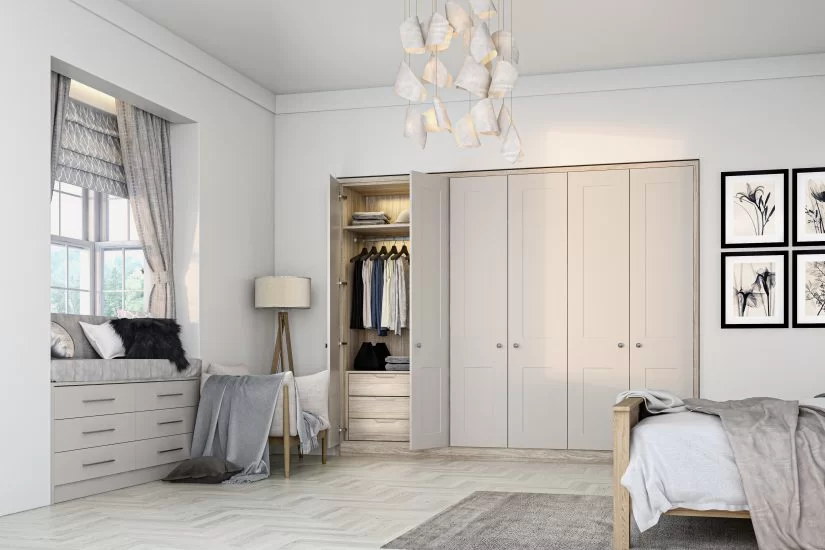
Transforming your home's interior can be a rewarding project, and few improvements offer as much impact as a fresh coat of paint on your interior doors. Beyond just changing colors, learning how to paint interior doors correctly ensures a durable, professional finish that enhances your home's overall aesthetics for years to come.
This comprehensive guide will walk you through each crucial step, from preparation to the final stroke, ensuring your newly painted doors stand the test of time and elevate your living spaces.
The Importance of Proper Preparation
Many homeowners underestimate the critical role of preparation when painting interior doors. Skipping steps here often leads to a less durable finish, peeling paint, or an uneven appearance that detracts from your home's appeal. Whether you're working with a new door or refreshing an older one, thorough preparation creates the ideal surface for lasting results.
Neglecting prep work means the paint won't adhere properly. Over time, this can lead to chips, cracks, and a finish that looks amateurish rather than professional. A meticulously prepared surface, on the other hand, ensures that your effort in painting is rewarded with a smooth, resilient, and beautiful door that contributes positively to your interior design. For those interested in maximizing value, learning how high-quality interior doors can increase your home's value often starts with understanding proper maintenance and finishing techniques.
Essential Tools and Materials
Before you begin the painting process, gathering all necessary tools and materials will ensure a smooth and efficient workflow. Having everything on hand prevents interruptions and allows for proper focus on each stage of the project.
-
Safety Gear: Safety glasses, gloves, and a dust mask are crucial for protecting yourself from paint fumes and dust during sanding doors' activities.
-
Drop Cloths or Plastic Sheeting: To protect your floors and surrounding areas from paint drips and dust.
-
Screwdrivers: For removing door hardware.
-
Cleaning Supplies: Mild detergent, clean rags, and a bucket of water are essential for cleaning doors effectively.
-
Painter's Tape: For masking off areas you don't want painted.
-
Sanding Sponges or Sandpaper: In various grits (120-grit for initial sanding, 220-grit for fine sanding).
-
Wood Filler/Spackle (if needed): For repairing minor imperfections.
-
Putty Knife: For applying wood filler.
-
Primer: A high-quality primer suitable for your door's material (water-based for latex paint; oil-based for oil-based paint or heavily stained wood).
-
Paint: Choose a durable interior paint, preferably a semi-gloss or satin finish for easy cleaning and resistance to wear.
-
Paintbrushes: High-quality angled brushes for cutting in and detailed areas.
-
Paint Rollers: A small foam roller or a roller with a short nap for applying paint smoothly over larger surfaces.
-
Paint Tray: For loading paint onto your roller.
-
Paint Stirrer: To ensure paint is well-mixed.
Step-by-Step Guide to Painting Interior Doors
Successfully painting interior doors involves a series of deliberate steps, each contributing to the final quality and longevity of your finish..
Step 1: Remove the Door and Hardware
For the best results, it is highly recommended to remove the door from its hinges. This allows for painting all edges evenly and prevents drips. Place the door on sawhorses in a well-ventilated area.
-
Start by unscrewing the hinges from the door frame.
-
Carefully lift the door off the hinges and lay it flat.
-
Remove all door hardware, including knobs, latches, and hinges. Keep all screws and parts organized in a labeled bag to avoid loss.
Step 2: Cleaning Doors
Thorough cleaning doors is essential to remove dirt, grease, and grime that could prevent paint adhesion.
-
Use a mild detergent mixed with water and a clean rag to wash both sides of the door thoroughly.
-
Pay close attention to areas around door handles and the bottom of the door, which tend to accumulate more grime.
-
Rinse the door with clean water and allow it to dry completely before proceeding to the next step.
Step 3: Repair and Sanding Doors
This crucial stage addresses imperfections and creates a smooth surface for painting.
-
Inspect the door for any dents, dings, or holes. Apply wood filler or spackle to these areas using a putty knife. Allow it to dry fully according to product instructions.
-
Once the filler is dry, begin sanding doors. Start with 120-grit sandpaper or a sanding sponge to smooth out repairs and lightly scuff the entire door surface. This helps the primer adhere better.
-
Move to 220-grit sandpaper for a finer finish, ensuring the entire surface is smooth to the touch.
-
For shaker doors or panel doors, pay particular attention to the recessed areas and edges.
-
After sanding, wipe down the entire door with a tack cloth or a damp cloth to remove all dust. Any remaining dust can compromise the paint finish.
Step 4: Priming the Door
Priming is non-negotiable for a professional and durable outcome, especially when learning how to paint interior doors for long-lasting results. Primer provides a consistent base for paint adhesion, blocks stains, and deepens the final paint color.
-
Apply a thin, even coat of high-quality primer to the entire door surface using a brush for corners and details, and a roller for flat areas. Work in the direction of the wood grain if applicable.
-
Allow the primer to dry completely. Drying times vary, so consult the product label.
-
Once dry, lightly sand the primed surface with 220-grit sandpaper to smooth out any imperfections or raised grain. Wipe away dust with a tack cloth.
-
For optimal adhesion and coverage, especially when transforming a dark door to a light color, a second coat of primer might be beneficial.
Step 5: Painting the Door
Now for the exciting part, applying the paint! Consistency and proper technique are key.
-
Stir your paint thoroughly before and during application.
-
For Shaker Doors: Start by painting the recessed panels first with an angled brush, then paint the horizontal rails, followed by the vertical stiles. This prevents paint from pooling.
-
For Flush Doors: Use a brush for the edges and a small foam roller for the flat surfaces. Roll in one direction for a smooth finish, overlapping slightly with each pass.
-
Apply thin, even coats. Two thin coats are always better than one thick coat, which can lead to drips and an uneven appearance.
-
Allow each coat to dry completely before applying the next. Lightly sand with 220-grit sandpaper between coats for an even smoother finish, removing all dust afterward.
-
Paint both sides of the door evenly, allowing one side to dry fully before flipping to paint the other.
Achieving a Flawless Finish
Several techniques can help you achieve a truly professional, long-lasting finish when painting interior doors.
-
Work in a Clean Environment: Dust and debris are your enemies. Ensure your painting area is as clean as possible.
-
Maintain a Wet Edge: When rolling or brushing, try to keep a wet edge by overlapping your strokes slightly. This minimizes lap marks.
-
Avoid Overworking the Paint: Applying too much pressure or going over the same area repeatedly can create brush marks and uneven textures.
-
Use High-Quality Paint: Invest in good quality paint designed for interior doors. These paints are more durable and provide better coverage.
-
Consider Sprayer for Ultra-Smooth Finish: For an exceptionally smooth, factory-like finish, a paint sprayer can be an excellent option, though it requires more setup and masking.
Post-Painting Care and Maintenance
Once your doors are fully painted and cured (which can take several days to a week, depending on the paint type and humidity), reattach the hardware and rehang the door. Be gentle during this process to avoid scratches. To ensure your newly painted doors remain beautiful and chip-free, follow these tips:
-
Allow ample time for the paint to fully cure before subjecting the door to heavy use.
-
Clean your doors regularly with a soft, damp cloth and mild soap to remove dust and smudges.
-
Address any nicks or scratches promptly with touch-up paint to prevent further damage and maintain the integrity of the finish.
Conclusion
Properly painting interior doors is more than a superficial refresh; it's an investment in your home's longevity and style. Following these steps will not only provide a beautiful appearance but also contribute to the benefits of solid core doors for your home or enhancing the functionality of flush doors.
At Evolux Doors, we understand the importance of both durability and aesthetics in your home's interior elements. Our high-quality flush door and shaker door options are designed to provide a perfect canvas for your chosen paint finish, ensuring a sophisticated and long-lasting look. Whether you are a homeowner embarking on a renovation or a contractor seeking superior products, discover the difference Evolux Doors can make.
To explore our range of modern, functional, and aesthetically pleasing doors, we invite you to request our comprehensive catalog. For contractors, designers, and distributors looking for bulk purchases or partnership opportunities, please inquire about our exclusive wholesale discounts and tailored pricing. Elevate your home's design with Evolux Doors.
FAQs
What is the best type of paint for interior doors?
For interior doors, semi-gloss or satin latex paint is generally recommended. These finishes are durable, easy to clean, and provide a smooth, attractive look that resists scuffs and fingerprints.
How do I prepare an interior door for painting?
Preparation is key for a smooth finish. Start by cleaning the door thoroughly, then sand any glossy surfaces or imperfections. Fill any holes or dents with wood filler, sand again, and wipe away all dust before priming.
Should I remove interior doors before painting them?
While it's possible to paint doors in place, removing them is highly recommended. This allows for easier access to all edges, prevents drips, and ensures a more professional and even finish.
Do I need to prime an interior door before painting?
Priming is essential, especially if you're painting over a dark color with a lighter one, or if the door is raw wood or has been repaired. Primer helps paint adhere better, provides a uniform base, and prevents stains from bleeding through.
What is the best way to paint an interior door for a smooth finish?
For a smooth finish, use a high-quality brush for edges and panels, and a small foam roller for flat surfaces. Apply thin, even coats, and always paint in the direction of the wood grain if applicable, allowing adequate drying time between coats.

 English
 French
 Spanish
 Portuguese
 Deutsch
 Turkish
 Dutch
Dutch
 Italiano
 Russian
 Romaian
 Portuguese (Brazil)
 Greek
Greek