


Tree Crown Reduction and Property Value: Hidden Benefits
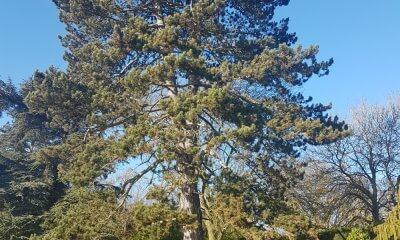
Understanding Tree Crown Reduction in Modern Property Management
Tree crown reduction is a precise arboricultural practice that involves selectively pruning branches to reduce the overall size of a tree’s canopy while maintaining its natural shape and structural integrity. In high-value residential and commercial landscapes, this technique is not merely aesthetic—it is a strategic investment that directly contributes to property value enhancement. By controlling tree growth and improving structural balance, crown reduction aligns landscaping with architectural harmony, creating a visually appealing and safer environment.
Unlike aggressive tree topping, which damages tree health, crown reduction preserves vitality while optimizing the tree’s scale in relation to the property. This refined approach delivers measurable benefits that extend far beyond curb appeal.
Boosting Curb Appeal with Structured Canopy Design
Visual Symmetry and Landscape Balance
A well-maintained tree canopy significantly elevates the visual appeal of any property. Overgrown trees can overshadow buildings, block natural light, and create an unkempt impression. Crown reduction introduces symmetry, allowing sunlight to filter through evenly while framing the property in a balanced and attractive manner.
Properties with thoughtfully managed greenery consistently attract higher buyer interest. Clean lines, unobstructed views, and proportionate landscaping contribute to a polished exterior that signals care and attention to detail—qualities that directly influence perceived property value.
Enhanced First Impressions for Buyers and Tenants
First impressions dictate market performance. When prospective buyers or tenants encounter a property with neatly reduced tree crowns, they associate it with lower maintenance risks and higher overall quality. This psychological advantage often translates into faster sales cycles and stronger negotiation leverage.
Increasing Property Value Through Safety Improvements
Reducing Structural Risks
Large, unmanaged tree canopies can pose significant hazards. Heavy branches may overhang roofs, power lines, or pathways, increasing the risk of storm damage or accidental breakage. Crown reduction mitigates these risks by removing excess weight and reinforcing branch structure.
Safer properties are inherently more valuable. Insurance assessments frequently consider tree-related risks, and properties with properly maintained trees may benefit from lower premiums and reduced liability exposure.
Storm Resistance and Long-Term Stability
Strategic pruning improves wind resistance by allowing air to pass through the canopy more efficiently. This reduces the likelihood of uprooting or branch failure during extreme weather conditions. Buyers recognize the importance of resilience, particularly in regions prone to storms, making crown reduction a key selling point.
Maximizing Natural Light and Energy Efficiency
Improved Sunlight Penetration
Dense tree canopies can block essential sunlight, leading to darker interiors and increased reliance on artificial lighting. Crown reduction opens up the canopy, allowing natural light to enter living spaces and outdoor areas more effectively.
Bright, naturally lit homes are more desirable and command higher market prices. Increased daylight not only enhances ambiance but also contributes to occupant well-being and productivity.
Energy Cost Optimization
By managing tree size and placement, crown reduction can support passive energy strategies. In colder months, increased sunlight helps warm interiors, reducing heating costs. In warmer seasons, strategically maintained trees still provide shade without excessive blockage, maintaining a comfortable balance.
Energy-efficient properties are highly attractive in competitive real estate markets, adding another layer of value.
Promoting Tree Health and Longevity
Preventing Disease and Decay
Overcrowded branches restrict airflow and create conditions conducive to fungal growth and pest infestations. Crown reduction eliminates weak, diseased, or crossing branches, promoting healthier growth patterns.
Healthy trees enhance landscape longevity, reducing the need for costly removals or replacements. Mature, well-maintained trees are valuable assets that can significantly increase property worth over time.
Encouraging Sustainable Growth
Controlled pruning stimulates stronger branch development and improved structural integrity. This ensures that trees remain stable and visually appealing for years, aligning with long-term property investment goals.
Creating Functional Outdoor Spaces
Expanding Usable Areas
Excessive canopy spread can limit the usability of gardens, patios, and driveways. Crown reduction reclaims these spaces, making them more functional for recreation, entertainment, or landscaping enhancements.
Properties with versatile outdoor areas are in high demand, particularly among buyers seeking lifestyle-oriented features.
Improved Accessibility and Visibility
Reduced tree crowns enhance visibility around the property, improving security and ease of navigation. Clear sightlines are especially valuable for driveways, walkways, and entry points, contributing to both safety and convenience.
Aligning Landscaping with Market Expectations
Modern Aesthetic Standards
Contemporary buyers favor clean, organized landscapes that complement architectural design. Crown reduction supports this preference by maintaining trees in proportion with the property’s scale and style.
A cohesive exterior presentation strengthens the overall brand of the property, making it stand out in listings and viewings.
Professional Maintenance Signals Value
Properties that demonstrate consistent, professional tree care are perceived as higher quality investments. Crown reduction reflects proactive maintenance, which reassures buyers about the condition of other property elements.
Conclusion: Strategic Tree Management as a Value Driver
Tree crown reduction is more than a maintenance task—it is a calculated enhancement strategy that delivers tangible returns. By improving aesthetics, increasing safety, optimizing energy efficiency, and promoting tree health, this practice directly elevates property value.
In competitive real estate markets, every detail matters. A refined canopy not only transforms the landscape but also positions the property as a premium offering. When executed with precision, crown reduction becomes a powerful tool for maximizing both immediate appeal and long-term investment potential.

 English
 Arabic
 French
 Spanish
 Portuguese
 Deutsch
 Dutch
Dutch
 Italiano
 Russian
 Romaian
 Portuguese (Brazil)
 Greek
Greek