


Plastic EPR Services in India: A Complete Compliance Guide
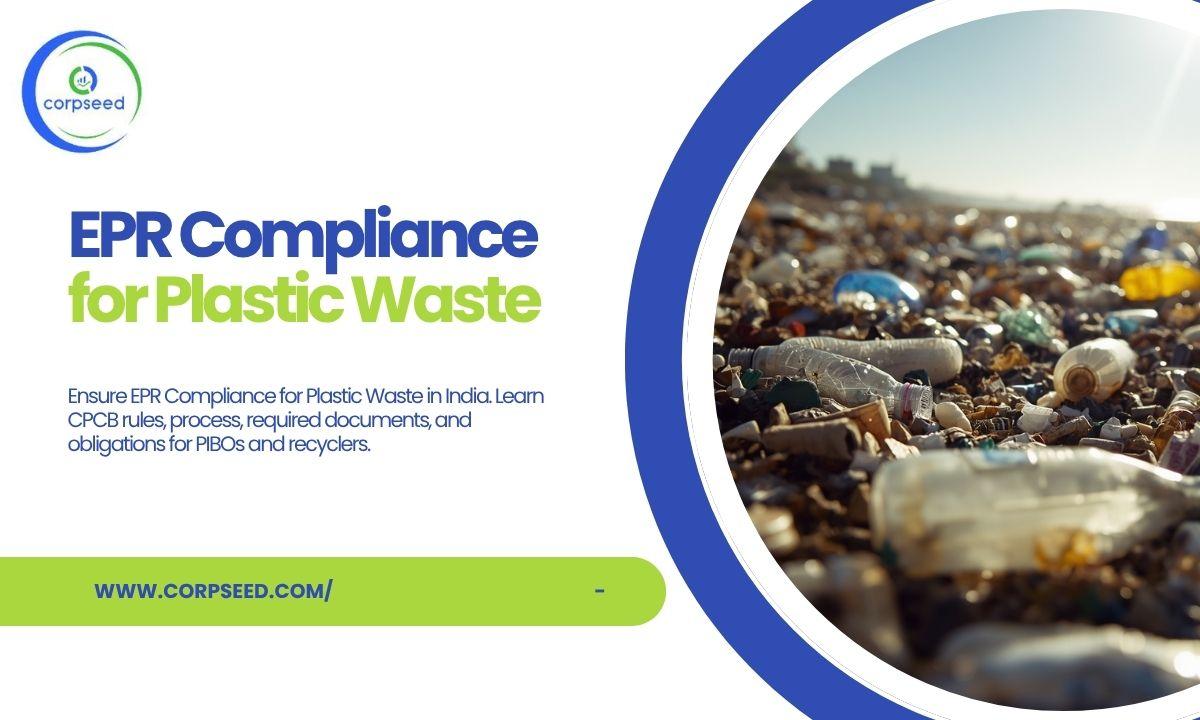
Plastic waste has become a major environmental concern in India, driven by rising consumption and packaging use. To address this issue, the government has made it mandatory for businesses to take responsibility for the plastic they introduce into the market. This is where plastic epr services play an important role.
Extended Producer Responsibility (EPR) requires producers, importers, and brand owners to manage plastic waste through proper collection, recycling, and disposal. If your business uses plastic packaging, understanding epr for plastic waste is essential for compliance and sustainable operations.
This guide explains the concept, process, and benefits of EPR in a simple and practical way.
What is Plastic EPR?
Extended Producer Responsibility (EPR) is a regulatory framework that holds businesses accountable for the plastic waste generated from their products.
Under India’s Plastic Waste Management Rules, businesses must:
- Register with the Central Pollution Control Board (CPCB)
- Meet annual recycling targets
- Ensure proper collection and environmentally sound disposal
Why Plastic EPR Services Are Important
EPR compliance involves multiple steps, documentation, and coordination. Professional plastic epr services help businesses manage this process efficiently.
Key Benefits:
- Ensures Compliance: Reduces the risk of penalties and legal action
- Saves Time and Effort: Experts handle documentation and approvals
- Supports Sustainability Goals: Promotes responsible waste management
- Enhances Brand Reputation: Builds trust among customers and stakeholders
With increasing plastic waste generation, proper compliance is critical for long-term business success.
Who Needs EPR for Plastic Waste?
EPR regulations apply to the following entities:
Producers
Manufacturers of plastic raw materials and packaging
Importers
Businesses importing plastic packaging or plastic-based products
Brand Owners
Companies selling products under their own brand using plastic packaging
Types of Plastic Covered Under EPR Rules
Plastic materials are categorized into:
- Rigid plastic (bottles, containers)
- Flexible plastic (carry bags, wrappers)
- Multi-layered plastic (MLP)
- Compostable plastic
Each category has different recycling targets and compliance requirements.
Step-by-Step Process of Plastic EPR Registration
Step 1: Document Preparation
Prepare the following documents:
- GST certificate
- PAN card
- Business registration proof
- Details of plastic packaging
Step 2: Online Registration
Apply through the CPCB EPR portal.
Step 3: EPR Plan Submission
Submit a plan that includes:
- Waste collection strategy
- Recycling methods
- Plan to meet EPR targets
Step 4: Approval
Authorities review the application and provide approval.
Step 5: Implementation and Reporting
- Execute the approved waste management plan
- Collaborate with authorized recyclers
- Submit annual compliance reports
Role of Plastic EPR Service Providers
EPR service providers help businesses handle compliance in a structured and efficient way.
Services Offered:
- Registration and documentation support
- EPR plan development
- Recycler and PRO network setup
- Filing annual returns and reports
- Ongoing compliance management
EPR Targets and Obligations
EPR targets are based on the quantity of plastic introduced into the market and must be achieved each year.
Key Points:
- Targets are calculated based on total plastic packaging placed in the market
- Obligations increase gradually over time
- Businesses must collect and recycle an equivalent amount of plastic waste
- Different plastic categories may have separate targets
- Proof of recycling must be obtained from authorized recyclers
- Annual compliance reports must be submitted to authorities
- Non-compliance may lead to penalties or environmental compensation
Example Targets:
- Year 1: Minimum 25% recycling
- Year 2: Minimum 50% recycling
- Year 3: Minimum 70% recycling
- Year 4 onwards: 100% compliance
These obligations ensure that businesses actively contribute to reducing plastic waste and promoting recycling.
Benefits of Plastic EPR Services
Regulatory Compliance
Ensures adherence to government rules
Cost Efficiency
Improves waste management planning and reduces long-term costs
Environmental Responsibility
Encourages recycling and reduces pollution
Business Growth
Enhances brand credibility and customer trust
Challenges in EPR for Plastic Waste
Businesses often face challenges such as:
- Complex compliance procedures
- Limited understanding of regulations
- Difficulty in finding authorized recyclers
- Frequent updates in policies
Professional plastic epr services help overcome these challenges effectively.
Best Practices for EPR Compliance
To ensure smooth compliance:
- Maintain accurate records of plastic usage
- Work with certified recyclers
- Stay updated with regulatory changes
- Use digital tools for monitoring and reporting
Example of EPR Implementation
A business dealing with packaged products should:
- Assess total plastic usage
- Register under CPCB
- Partner with authorized recyclers
- Meet annual recycling targets
- Submit compliance reports
This ensures proper compliance with epr for plastic waste regulations.
Why Choose Professional Plastic EPR Services?
Working with experts simplifies the compliance process and reduces risks.
Key Advantages:
- End-to-end compliance support
- Expert knowledge of regulations
- Faster approval process
- Reduced risk of penalties
Frequently Asked Questions
1. What are plastic EPR services?
Plastic EPR services help businesses manage plastic waste and comply with regulatory requirements.
2. Who must register under EPR?
Producers, importers, and brand owners using plastic packaging must register.
3. What happens if a company does not comply?
Non-compliance may result in penalties, fines, or legal action.
4. How long does EPR registration take?
The process usually takes 15 to 30 days.
5. Is EPR mandatory for all businesses?
Yes, any business introducing plastic packaging into the market must comply.
Conclusion
Plastic waste management is now a legal and environmental responsibility for businesses in India. By using professional plastic epr services, companies can ensure compliance, reduce environmental impact, and strengthen their brand position.
Implementing epr for plastic waste is not just about following regulations—it is about contributing to a cleaner and more sustainable future.

 English
 Arabic
 French
 Spanish
 Portuguese
 Deutsch
 Turkish
 Italiano
 Russian
 Romaian
 Portuguese (Brazil)
 Greek
Greek