


Vent Replacement: Complete Guide for Homeowners
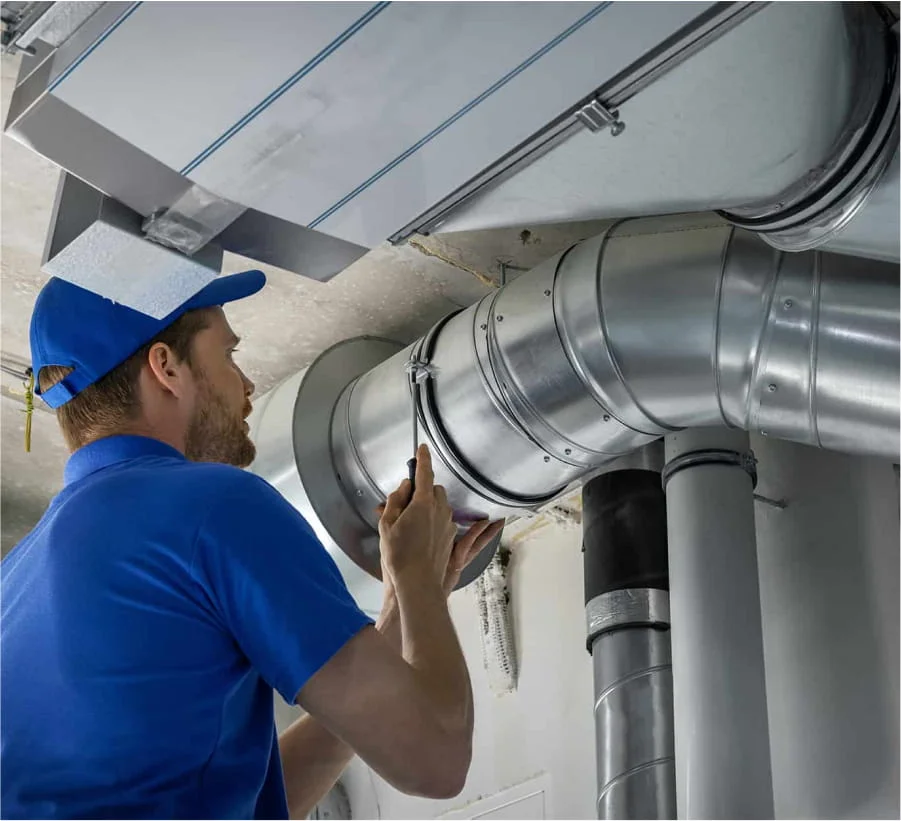
Ventilation is critical to maintaining a comfortable and safe home. Over time, vents can become damaged, clogged, or outdated, which may impact airflow and the efficiency of your HVAC system. Knowing when and how to perform vent replacement ensures your home stays comfortable, energy-efficient, and safe year-round.
Whether you’re upgrading old vents, fixing damage, or improving indoor air quality, understanding the ins and outs of vent replacement is essential.
Why Vent Replacement Is Important
Replacing vents isn’t just about aesthetics—it’s essential for your HVAC system’s performance and home safety. Some key reasons for vent replacement include:
-
Improved Airflow: Worn or blocked vents restrict air circulation.
-
Enhanced Energy Efficiency: Proper vents reduce strain on your HVAC system, lowering energy bills.
-
Better Indoor Air Quality: Old vents can harbor dust, mold, and allergens.
-
Aesthetic Upgrade: Modern vents improve the look of your home interior.
-
Safety and Durability: Broken or rusty vents can pose hazards and reduce system efficiency.
Regular vent replacement ensures your heating and cooling systems work optimally while maintaining a healthy living environment
Signs You Need Vent Replacement
Recognizing the signs of faulty or damaged vents helps you know when to schedule a vent replacement:
-
Uneven airflow in different rooms
-
Rusted or corroded metal vents
-
Cracked, warped, or broken vent covers
-
Excessive dust or debris buildup
-
Strange odors coming from vents
-
Outdated or unattractive vent designs
Early identification of these issues prevents further damage to your HVAC system and improves indoor comfort.
Types of Vents That May Need Replacement
Understanding the different types of vents helps when you consider vent replacement:
1. Floor Registers
-
Direct airflow from ducts to living spaces
-
Adjustable to control airflow volume
-
Often subject to wear and tear from foot traffic
2. Wall Vents
-
Installed in walls to distribute air evenly
-
Can be fixed or adjustable
-
Common in rooms with limited floor space
3. Ceiling Vents
-
Common for central air systems
-
Evenly distribute air from above
-
Often include directional louvers for airflow control
4. Return Air Grilles
-
Allow air to return to the HVAC system
-
Crucial for maintaining system pressure and efficiency
-
Usually larger than supply vents
Materials Used in Vent Replacement
When planning vent replacement, choosing the right material is crucial:
1. Metal Vents
-
Durable and long-lasting
-
Suitable for high-traffic areas
-
Can be painted to match décor
2. Plastic Vents
-
Lightweight and easy to install
-
Affordable
-
May become brittle over time
3. Wood Vents
-
Decorative and stylish
-
Ideal for interior design-focused upgrades
-
Requires proper sealing to avoid warping
Step-by-Step Guide to Vent Replacement
Replacing vents is often manageable as a DIY project. Here’s how to perform a vent replacement step by step:
Step 1: Gather Necessary Tools
-
Screwdriver (flathead or Phillips)
-
Measuring tape
-
Replacement vent
-
Cleaning supplies
Step 2: Remove Old Vent
-
Unscrew or unclip the existing vent
-
Carefully remove it from the duct or wall/floor opening
-
Clean the surrounding area from dust and debris
Step 3: Measure the Opening
-
Measure the old vent to ensure the new vent fits correctly
-
Double-check width and length for proper airflow
Step 4: Install the New Vent
-
Align the vent with the opening
-
Secure it with screws or clips as per manufacturer instructions
-
Adjust louvers for optimal airflow
Step 5: Test the Airflow
-
Turn on your HVAC system
-
Ensure air flows evenly through the new vent
-
Adjust vent settings if necessary
Tips for Choosing the Right Vent for Replacement
When you perform a vent replacement, consider these tips:
-
Style and Design: Choose vents that complement your home’s décor.
-
Functionality: Adjustable vents allow better control of airflow.
-
Material Selection: Metal for durability, plastic for affordability, wood for decoration.
-
Size Accuracy: Correct sizing ensures efficient airflow and easy installation.
-
Maintenance: Select vents that are easy to clean and remove for future upkeep.
Maintenance After Vent Replacement
Proper maintenance prolongs the life of your new vents:
-
Clean vent covers regularly to prevent dust buildup
-
Inspect vents periodically for signs of damage or warping
-
Ensure louvers and adjustment mechanisms function properly
-
Repaint or reseal wooden or metal vents as needed
-
Schedule HVAC system inspections annually to maintain optimal performance
Common Problems During Vent Replacement
Even with new vents, some issues may occur:
-
Improper Fit: Incorrect sizing can restrict airflow
-
Noise: Loose vents can rattle or vibrate
-
Dust Accumulation: Vents near high-dust areas may require frequent cleaning
-
Misalignment: Misaligned louvers may direct air unevenly
Ensuring professional installation or careful DIY work can prevent these common problems.
DIY vs. Professional Vent Replacement
When deciding whether to DIY or hire a professional for vent replacement, consider the following:
Advantages of Professional Installation
-
Accurate measurements and fit
-
Expert advice on vent placement and airflow optimization
-
Safe handling of ceiling, wall, or high-traffic vents
-
Prevents damage to HVAC ducts
Advantages of DIY
-
Saves labor costs
-
Simple projects can be completed quickly
-
Flexible timing for small vent replacements
Complex or high ceiling installations are best left to professionals to ensure safety and proper functionality.
FAQs About Vent Replacement
Q1: How often should I replace my vents?
A: Typically every 5–10 years, depending on wear, material, and system use. Replace sooner if damaged or corroded.
Q2: Can I paint vents instead of replacing them?
A: Yes, metal and wooden vents can be painted. Avoid painting plastic vents as it may cause warping.
Q3: How do I measure for a replacement vent?
A: Measure the length and width of the existing vent opening, not the old vent itself, for a proper fit.
Q4: Will vent replacement improve HVAC efficiency?
A: Yes, new vents reduce airflow restrictions, improve heating/cooling efficiency, and may lower energy bills.
Q5: Can I replace ceiling vents myself?
A: Yes, if safely accessible. For high ceilings, consider professional installation.
Q6: What materials are best for vent replacement?
A: Metal is durable for high-traffic areas, wood is decorative, and plastic is lightweight and cost-effective.
Q7: Can vent replacement improve air quality?
A: Yes, clean new vents reduce dust, allergens, and debris circulation in your home.
Conclusion
Performing a vent replacement is a practical way to enhance your home’s HVAC system, improve airflow, and upgrade interior aesthetics. Whether you choose a DIY approach or hire a professional, knowing when and how to replace vents ensures comfort, energy efficiency, and improved indoor air quality.

 Arabic
 French
 Spanish
 Portuguese
 Deutsch
 Turkish
 Dutch
Dutch
 Italiano
 Russian
 Romaian
 Portuguese (Brazil)
 Greek
Greek