


Why Some Products Don't Offer COD Option
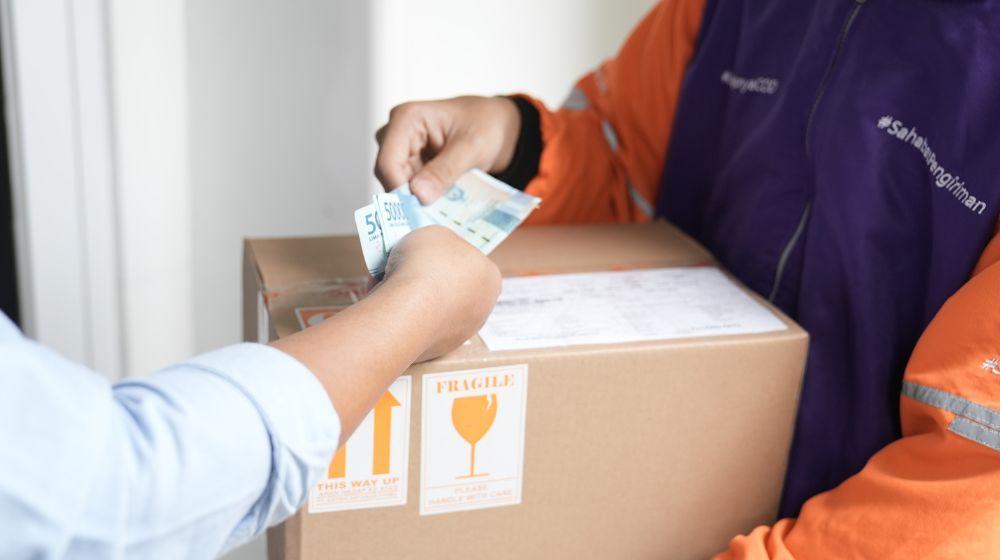
Cash on Delivery has long been a preferred payment method for online shoppers, particularly in markets like India where trust in digital payments is still building. Yet if you've shopped online recently, you may have noticed that certain products - expensive gadgets, international goods, or niche items simply don't come with this option. Ever wondered why? The absence of a COD service isn't arbitrary. There are several well-grounded reasons behind it.
1. High Rate of Order Returns and Refusals
One of the biggest challenges e-commerce businesses face with COD is the return-to-origin (RTO) problem. When customers place COD orders, there's no upfront financial commitment. This makes it easy to change their mind or simply refuse the package at the door.
For sellers, this means paying for both outward and return shipping, plus restocking costs. On high-value or bulky items, these losses can be severe. Businesses dealing in premium electronics, luxury goods, or heavy furniture often disable COD service specifically to filter out impulsive or non-serious buyers.
2. Perishable or Time-Sensitive Products
Products like fresh food, flowers, customised cakes, or event tickets have a very short delivery and validity window. If a customer refuses delivery or is unavailable, the product cannot be resold or returned to inventory. The seller incurs a total loss.
For such categories, prepaid orders ensure accountability. The buyer has already paid, making them far more likely to be available and ready to receive the package on time. Enabling COD service on perishables would be a financial risk most businesses simply can't afford to take.
3. International or Cross-Border Orders
Most international sellers and cross-border e-commerce platforms do not support COD service because of logistical complexity. Collecting cash across borders involves currency exchange, customs regulations, and third-party courier arrangements, all of which make it impractical.
Even domestic platforms that fulfil orders from international warehouses often skip COD to avoid the complications that arise when a package has already cleared customs and the buyer refuses it.
4. Customised and Made-to-Order Products
When a product is personalised engraved jewellery, custom apparel, or bespoke furniture, it has no resale value if returned. The seller has invested time, labour, and materials into creating something unique for a specific buyer.
Offering COD on such items would be a significant gamble. A single refusal means the seller is left with an unsellable product and a complete loss. Prepaid orders protect sellers from this risk and ensure customers are genuinely committed before production begins.
5. Seller or Platform Policies Based on Buyer History
Many e-commerce platforms use data intelligence to manage COD availability at the customer level. If a user has a history of frequently returning COD orders or repeatedly refusing deliveries, the platform may automatically disable the COD service for that account.
This is a smart, data-driven approach that reduces risk without penalising all buyers. It's why two customers ordering the same product might see different payment options at checkout.
6. Products with Low Margins
For budget products where the profit margin is razor-thin, the added cost of COD which includes cash handling fees charged by courier partners can erode profitability entirely. Many sellers in the grocery, stationery, or affordable fashion segment turn off COD specifically because the economics don't add up once logistics and handling fees are factored in.
7. Regulatory or Compliance Restrictions
Certain product categories such as prescription medicines, alcohol, financial instruments, or age-restricted content are subject to regulatory oversight. Authorities may mandate prepaid transactions to maintain a proper audit trail, making COD service legally non-compliant for these categories.
Final Thoughts
The absence of COD isn't always about distrust of the customer. More often, it's a business decision driven by logistics costs, product type, return risk, and compliance requirements. As digital payment infrastructure improves and buyer behaviour matures, the COD conversation will keep evolving, but for now, understanding these reasons helps explain why your favourite product sometimes leaves that option off the table.

 English
 Arabic
 French
 Spanish
 Portuguese
 Deutsch
 Dutch
Dutch
 Italiano
 Russian
 Romaian
 Portuguese (Brazil)
 Greek
Greek