When a production machine fails, everyone notices immediately.
Work stops.
Operators report the issue.
Maintenance teams respond quickly.
There's urgency because the problem is visible.
But airflow problems inside a Dust Collector system work very differently.
They build slowly.
And honestly, that's what makes them more dangerous in the long run.
At first, nothing feels seriously wrong.
The system still runs. Dust collection still happens. Production continues normally.
But small changes start appearing across the factory floor.
Dust settles more frequently near certain machines. Cleaning takes longer than before. Workers notice that some areas feel heavier during operation.
None of these signs seem critical individually.
So the factory adapts.
And over time, the reduced efficiency becomes normal without anyone realizing how much performance has changed.
This is one of the biggest reasons many factories continue operating with poor airflow for years.
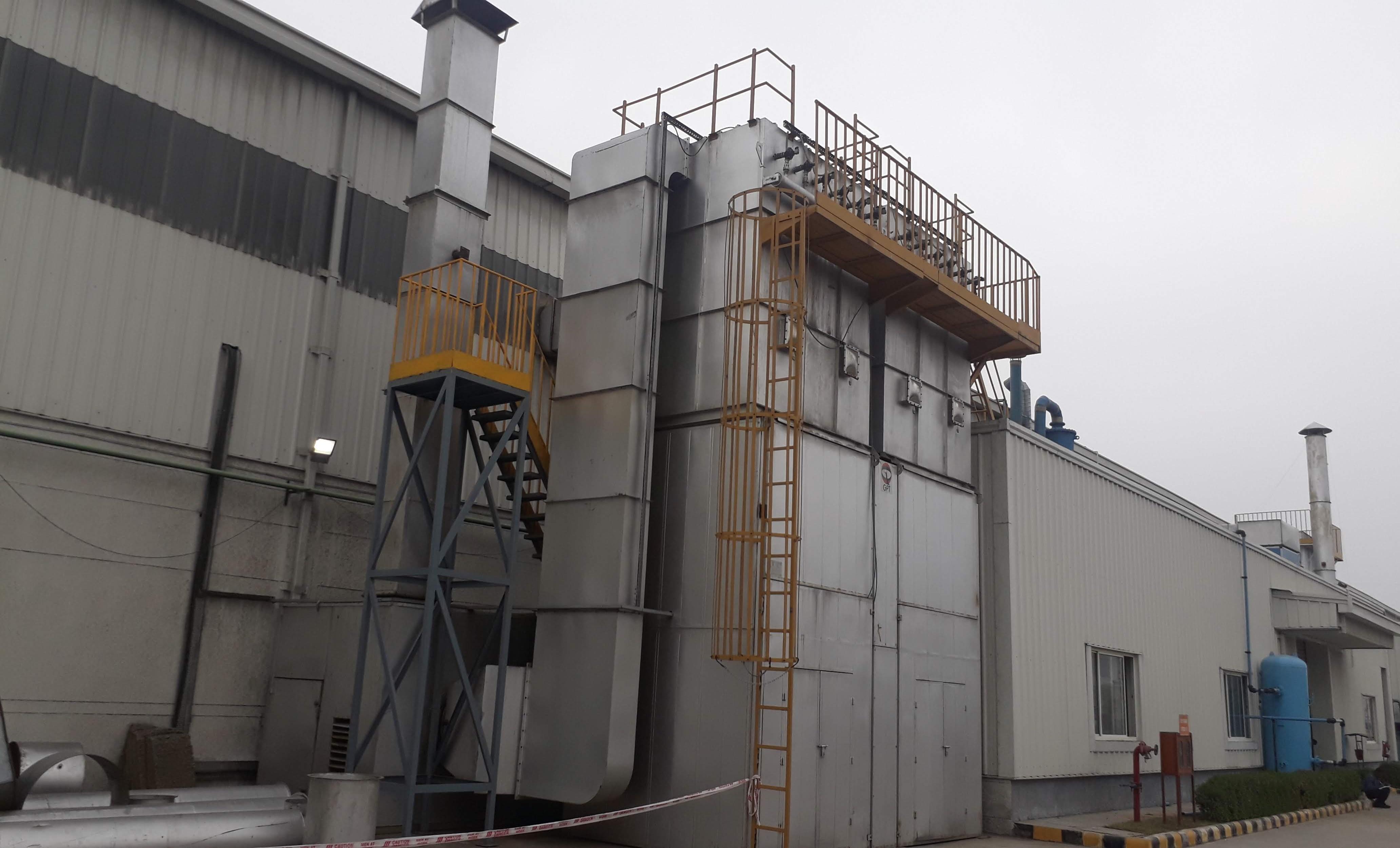
A Dust Collection System depends entirely on balanced airflow to capture and transport particles properly. If airflow weakens or becomes uneven, dust escapes before reaching the filtration system.
But unlike a machine breakdown, airflow loss doesn't create an immediate shutdown.
It creates gradual operational inefficiency.
That's why the issue often stays hidden until maintenance costs and downtime begin increasing noticeably.
Now let’s understand where these airflow problems usually begin.
The most common cause is filter loading.
Systems using Bag Filter or Pulse Jet Bag Filter technology collect enormous amounts of fine particles every day. As filters become loaded, airflow resistance increases.
The system has to work harder to pull air through the filters.
Slowly, suction efficiency drops.
Pulse Jet systems help maintain airflow because they clean filters automatically while running. But even automatic cleaning systems lose effectiveness if maintenance is ignored for too long.
Compressed air problems
Damaged filters
Improper cleaning cycles
All of these reduce airflow stability over time.
And again, because the drop happens gradually, factories rarely notice it early.
Another major issue is duct imbalance.
As production expands, factories often connect additional machines to the existing setup without redesigning airflow paths.
At first, the system appears capable of handling the extra load.
But gradually, airflow distribution changes.
Some machines receive strong suction while others become weak.
This creates uneven dust control across the facility.
And honestly, many factories blame “too much dust” when the real issue is airflow imbalance.
The blower itself also plays a huge role here.
Centrifugal Blowers generate the airflow required to move contaminated air through the system. But blowers perform efficiently only when airflow resistance remains balanced.
If ducts become restricted or filters overloaded, the blower works under higher strain conditions.
This increases energy consumption while reducing actual dust capture efficiency.
So the factory ends up paying more electricity costs for weaker performance.
Now let’s talk about particle type, because that changes airflow behavior significantly.
Heavy particles move differently from fine airborne dust.
If a system handles large material particles continuously without proper pre-separation, airflow problems develop much faster.
This is why many industries install a Cyclone Dust Collector before the main filtration stage.
It separates heavier particles early, reducing load on the filters and stabilizing airflow throughout the system.
Simple concept—but very effective for long-term performance.
Woodworking industries experience this challenge constantly.
A Wood Dust Collector handling sanding or cutting operations generates high particle volumes continuously. Without stable airflow, fine dust spreads rapidly across equipment and workspaces.
And because wood dust is lightweight, even small airflow losses become noticeable quickly.
Localized airflow issues are another hidden problem.
Some production areas naturally generate more dust than others. If the system isn’t balanced correctly, these zones become overloaded while other sections receive unnecessary suction.
Using a Portable Dust Collector for targeted high-dust areas often helps reduce stress on the central system while improving overall airflow balance.
Now here's something many factories underestimate:
Poor airflow affects worker behavior too.
When air quality feels inconsistent, workers unconsciously adapt.
They clean more frequently.
They avoid certain areas during peak production.
They slow down slightly in dusty environments.
These changes are subtle—but they affect productivity over time.
And honestly, workflow consistency matters more in manufacturing than many people realize.
There's also the maintenance side.
When airflow weakens, dust begins reaching areas it normally wouldn't.
Electrical panels collect contamination faster.
Motors require more cleaning.
Sensors become less reliable.
Again—not immediate failures.
Just increasing maintenance pressure month after month.
Now in industries where fumes or smoke exist alongside dust, airflow balance becomes even more important.
A Fume Extraction System working together with the dust collector depends on stable air movement across the facility.
If one system struggles, overall air quality drops even if the other system appears functional.
This is why industrial air management should always be viewed as a complete operational system—not isolated equipment.
One important thing worth understanding is this:
Most airflow problems are fixable before they become serious operational issues.
But only if they're identified early.
And honestly, factories usually wait too long because the symptoms develop so gradually.
This is where proper airflow evaluation becomes valuable.
GPT India works with industrial facilities to evaluate airflow efficiency, system balance, and filtration performance under real production conditions.
Because in many cases, the system itself isn't failing—the airflow simply isn't behaving the way it should anymore.
They are located at 59/2/1, Site 4, Industrial Area, Sahibabad, Ghaziabad, Uttar Pradesh, 201010. You can contact them at +91-9773500660 or info@gpt-india.com for airflow assessment and Dust Collector system evaluation.
And honestly, catching airflow problems early usually costs much less than dealing with long-term operational inefficiency later.
FAQs
Why are Dust Collector airflow problems difficult to notice?
Because performance drops gradually instead of causing immediate failure.
Do clogged filters reduce airflow significantly?
Yes, filter loading is one of the most common causes of airflow loss.
Can airflow imbalance increase maintenance costs?
Absolutely. Poor airflow allows dust to spread into machines and equipment.
Does factory expansion affect airflow performance?
Yes, adding machines without balancing airflow often creates system inefficiency.
Conclusion
A Dust Collector rarely stops working completely when airflow problems begin.
Instead, efficiency slowly decreases while maintenance, cleaning, and energy costs quietly increase in the background.
And honestly, that gradual decline is exactly why airflow problems become expensive if ignored for too long.




 English
 Arabic
 French
 Spanish
 Portuguese
 Deutsch
 Turkish
 Italiano
 Russian
 Romaian
 Portuguese (Brazil)
 Greek
Greek