


The Ultimate Guide to Ductwork Repairs: Everything Homeowners Need to Know
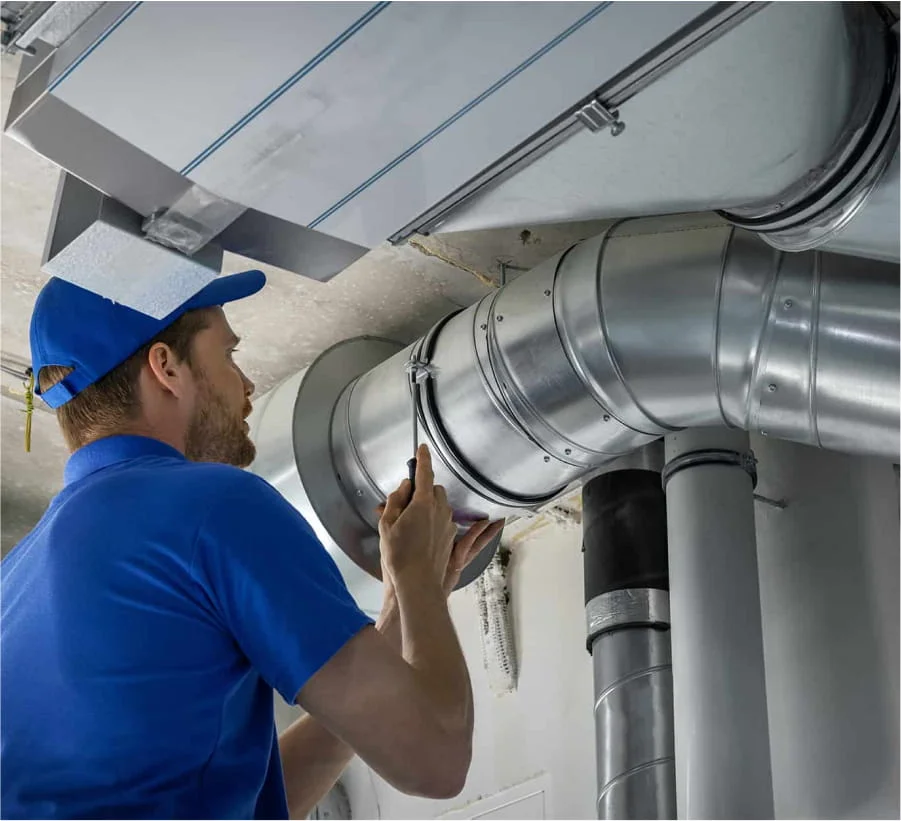
Your home’s HVAC system relies heavily on your duct system to distribute air efficiently. Over time, air ducts can develop leaks, corrosion, or blockages that affect heating, cooling, and indoor air quality. Understanding ductwork repairs is crucial for maintaining comfort, energy efficiency, and a healthy living environment. This guide will walk you through everything you need to know about ductwork repairs, including common issues, benefits, costs, maintenance tips, and FAQs.
What Are Ductwork Repairs?
Ductwork repairs involve fixing damaged or malfunctioning air ducts in your home or commercial space. Your duct system is a network of conduits that carry conditioned air from your HVAC system to each room. When ducts are compromised, the performance of your HVAC system decreases, energy bills rise, and indoor air quality suffers.
Ductwork repairs can include:
-
Sealing leaks
-
Fixing loose or disconnected ducts
-
Insulating exposed ductwork
-
Replacing damaged sections
Timely ductwork repairs ensure your HVAC system operates efficiently and safely.
Signs You Need Ductwork Repairs
Recognizing the need for ductwork repairs early can prevent costly HVAC problems and improve comfort. Common signs include:
-
High Energy Bills – Leaky ducts force your HVAC system to work harder.
-
Uneven Airflow – Some rooms feel too hot or too cold.
-
Visible Damage – Rust, corrosion, or disconnected ducts.
-
Excessive Dust or Allergies – Airborne contaminants enter your home through damaged ducts.
-
Unusual Noises – Whistling, banging, or rattling indicates loose or damaged ducts.
-
HVAC Short Cycling – Your system turns on and off frequently due to airflow issues.
Ignoring these signs can lead to decreased HVAC efficiency and higher energy costs.
Common Ductwork Problems That Require Repairs
1. Leaky Ducts
Leaky ducts are one of the most common problems. They waste energy, reduce airflow, and can allow dust and debris to enter the system. Ductwork repairs typically involve sealing the leaks with mastic or metal tape.
2. Disconnected or Loose Ducts
Over time, vibrations or poor installation can cause duct sections to disconnect. Air escapes before reaching the intended room, decreasing comfort and efficiency.
3. Rust and Corrosion
Metal ducts may rust due to moisture exposure, leading to weak spots or holes. These issues require patching or replacing sections of the ductwork.
4. Insulation Damage
Exposed or damaged duct insulation reduces HVAC efficiency. Repairs may include re-insulating ducts to prevent energy loss.
5. Blockages or Debris
Dust, insulation fragments, or pests can block ducts, reducing airflow and indoor air quality. Cleaning and minor repairs restore proper functionality.
Benefits of Timely Ductwork Repairs
Repairing your ducts promptly provides multiple advantages:
1. Energy Efficiency
Sealing leaks and fixing damaged ducts ensures air reaches all rooms, reducing HVAC strain and lowering energy bills.
2. Improved Indoor Air Quality
Fixing damaged ducts prevents dust, allergens, and mold from entering your living space.
3. Consistent Temperature
Properly repaired ducts maintain even temperatures throughout your home.
4. Extended HVAC Lifespan
Reducing strain on your HVAC system prevents premature wear and costly repairs.
5. Noise Reduction
Loose or vibrating ducts often create noise. Repairs reduce rattling, whistling, and banging sounds.
Types of Ductwork Repairs
The type of repair depends on the duct material and the nature of the problem:
-
Sealing Leaks
-
Mastic sealant or metal tape is used to close gaps.
-
Prevents energy loss and improves airflow.
Patching Holes
-
Small holes in sheet metal ducts can be patched with metal patches and sealant.
Replacing Damaged Sections
-
Severely damaged or rusted duct sections may require partial replacement.
Insulation Repairs
-
Replacing damaged insulation improves energy efficiency.
Reconnecting Loose Ducts
-
Disconnected or sagging ducts are properly reattached and sealed.
Steps Involved in Ductwork Repairs
Professional ductwork repairs ensure efficiency and safety. A typical repair process includes:
-
Inspection and Assessment
-
Professionals identify leaks, corrosion, blockages, and airflow issues.
Cleaning the Ducts
-
Remove debris and dust that could interfere with the repair.
Sealing and Patching
-
Apply mastic, tape, or patching material to leaks and holes.
Reconnecting and Securing Ducts
-
Loose ducts are reconnected and reinforced.
Insulating Exposed Ducts
-
Add or replace insulation to prevent energy loss.
Testing and Balancing
-
Ensure airflow is even and the HVAC system is performing optimally.
Cost of Ductwork Repairs
The cost of ductwork repairs depends on the type of duct, the extent of damage, and labor rates:
-
Sealing Small Leaks: $150–$500
-
Patching Sections: $200–$800
-
Replacing Sections: $500–$2,500
-
Full Ductwork Inspection and Cleaning: $300–$1,000
Investing in timely ductwork repairs can save you money by improving HVAC efficiency and reducing energy bills.
Maintenance Tips After Ductwork Repairs
Maintaining your ducts after repairs ensures long-lasting performance:
-
Regular Inspections
-
Check for new leaks or disconnected sections every 6–12 months.
Filter Replacement
-
Replace HVAC filters every 1–3 months to prevent debris buildup.
Duct Cleaning
-
Schedule professional cleaning every 3–5 years, or more often if you have allergies.
Seal Minor Leaks Promptly
-
Address small leaks quickly to prevent energy loss.
Monitor Energy Bills
-
A sudden spike may indicate a duct issue.
DIY vs. Professional Ductwork Repairs
DIY Repairs:
-
Pros: Lower cost, quick fixes for minor leaks or disconnected ducts.
-
Cons: Improper repair can reduce efficiency and void warranties.
Professional Repairs:
-
Pros: Proper sealing, insulation, and airflow testing; long-lasting results.
-
Cons: Higher upfront cost, but often cost-effective in the long run.
For most homes, professional ductwork repairs are recommended to ensure safety and efficiency.
Environmental Benefits of Ductwork Repairs
Repairing ducts improves energy efficiency, reducing environmental impact:
-
Lower Energy Use – Proper airflow reduces HVAC energy consumption.
-
Reduced Carbon Footprint – Less energy means fewer greenhouse gas emissions.
-
Cleaner Indoor Environment – Prevents mold and dust accumulation.
Lifespan of Repaired Ducts
The lifespan of repaired ducts depends on material and maintenance:
-
Flexible ducts: 10–15 years with proper repair
-
Sheet metal ducts: 20–30 years
-
Fiberglass board ducts: 15–20 years
Proper care, sealing, and cleaning extend the efficiency and lifespan of your duct system.
Common Mistakes to Avoid During Ductwork Repairs
-
Ignoring minor leaks – small leaks grow over time.
-
DIY full replacement without experience.
-
Using improper sealants or tape.
-
Skipping airflow testing.
-
Neglecting duct insulation.
FAQs About Ductwork Repairs
Q1: How do I know if my ducts need repairs?
A1: Signs include high energy bills, uneven airflow, visible damage, dust accumulation, and unusual HVAC noises.
Q2: Can I perform ductwork repairs myself?
A2: Small leaks or disconnected ducts can be DIY fixes, but professional repairs ensure efficiency and safety.
Q3: How much do ductwork repairs cost?
A3: Costs vary: small leaks $150–$500, patched sections $200–$800, larger replacements $500–$2,500.
Q4: How long do repairs take?
A4: Minor repairs can take a few hours, while extensive repairs may require 1–3 days.
Q5: Will repairs reduce my energy bills?
A5: Yes. Sealed and repaired ducts prevent energy loss and improve HVAC efficiency.
Q6: How often should ducts be inspected?
A6: Inspect every 6–12 months, or sooner if you notice airflow issues or high energy bills.
Q7: Does repairing ducts improve indoor air quality?
A7: Absolutely. Properly sealed and clean ducts prevent dust, allergens, and mold from circulating.
Q8: What is the best type of duct for repairs?
A8: Sheet metal ducts are durable and easy to repair, while flexible ducts may require more frequent maintenance.
Conclusion
Timely ductwork repairs are essential for a comfortable, efficient, and healthy home. Whether your ducts are leaking, disconnected, corroded, or blocked, addressing the issues promptly ensures energy savings, consistent temperatures, and improved indoor air quality. Hiring skilled professionals, choosing the right repair methods, and maintaining your ducts ensures long-lasting performance and a healthier living environment.
Invest in ductwork repairs today and enjoy better HVAC efficiency, lower energy bills, and cleaner indoor air.

 English
 Arabic
 French
 Spanish
 Portuguese
 Deutsch
 Turkish
 Dutch
Dutch
 Italiano
 Romaian
 Portuguese (Brazil)
 Greek
Greek