


Designing a Modern American Kitchen with European Flat-Panel Cabinets
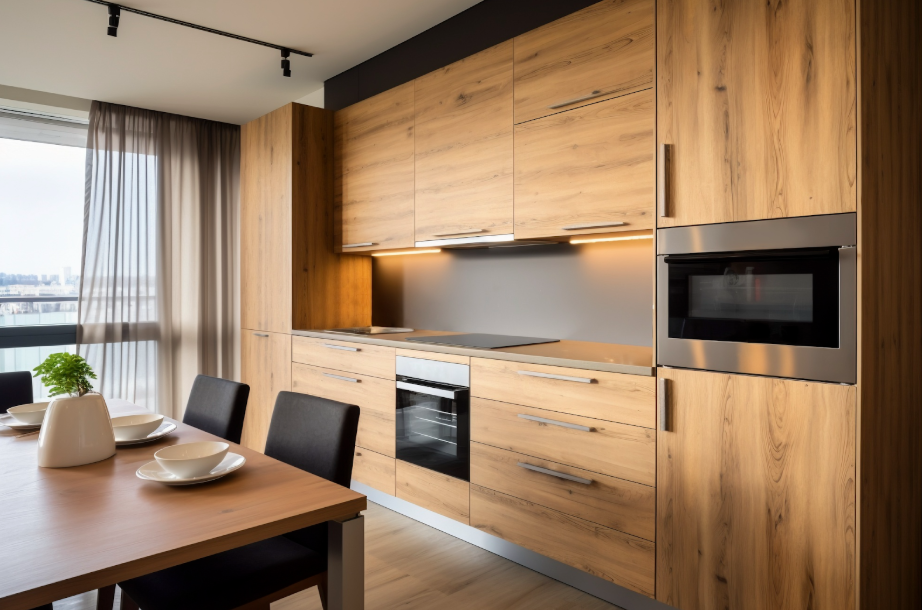
Today’s American kitchens must do more than look beautiful, they must support how people live. European flat-panel cabinets meet this demand by combining minimalist design with intelligent storage and frameless construction. This European approach has become a cornerstone of modern kitchen design across the United States.
In the San Jose and greater Bay Area, where modern architecture meets established homes, European flat-panel cabinets have become a preferred choice for homeowners and designers seeking efficiency without sacrificing style. The focus is no longer on whether to use European cabinetry, but on how to integrate it seamlessly into American layouts, appliances, and lifestyles.
The rise of European kitchen cabinets is not driven by aesthetics alone. Their popularity stems from a combination of thoughtful engineering, space optimization and alignment with contemporary lifestyles. As kitchens increasingly serve as social hubs, workspaces, and design focal points, cabinetry must deliver both visual clarity and everyday practicality.
Understanding European Flat-Panel Cabinet Construction
European style cabinetry is characterized by simplicity, precision and functionality. Unlike traditional designs that rely on decorative frames and raised panels, European cabinetry emphasizes flat surfaces, clean edges, and minimal ornamentation. This design philosophy supports open layouts and seamless transitions between kitchen zones.
Flat-panel cabinet doors, sometimes called slab doors, are the signature element of European kitchen design. Unlike raised-panel or shaker styles common in American kitchens, flat-panel doors have completely smooth surfaces with no grooves, bevels, or decorative molding. This simplicity makes them incredibly versatile, working equally well in ultra-modern lofts and transitional suburban homes.
When designing with flat-panel cabinets, the door itself becomes a canvas. Wood grain, lacquer finishes, matte textures, and even integrated handles transform simple flat surfaces into design statements without relying on ornamental details.
A key structural feature is frameless cabinets, which eliminate the face frame found in many traditional styles. This construction allows full access to cabinet interiors, making storage more efficient and layouts more flexible. Doors and drawers align cleanly, creating a unified look that feels intentional and refined. Euro-style cabinets also focus heavily on proportional balance. Everything from cabinet height to drawer spacing is carefully considered, ensuring the kitchen feels orderly without appearing rigid.
The Role of Flat-Front Cabinetry in Modern Kitchens
Flat-front cabinets play a major role in defining European-inspired kitchens. Their smooth surfaces eliminate visual clutter and allow other elements, such as lighting and countertops, to stand out. In modern kitchen design, this simplicity helps create calm, cohesive spaces that feel both functional and inviting.
Flat panel kitchen cabinets work especially well in open-plan homes where the kitchen flows into living or dining areas. Without heavy detailing, the cabinetry blends seamlessly into the broader interior design, reinforcing a minimalist kitchen aesthetic.
European flat panel cabinets are often paired with neutral tones or natural textures, supporting design trends that favor subtle contrast over bold ornamentation.
Why Frameless Construction Changes Everything
One of the most significant advantages of European style cabinets is their frameless construction. By removing the face frame, cabinet interiors become wider and more accessible. This extra space may seem minor, but it adds up across an entire kitchen, providing several additional inches of usable storage per cabinet.
Frameless cabinets also support modular cabinet design, allowing layouts to be customized with greater precision. Cabinets can be stacked, resized or reconfigured without compromising structural integrity. This flexibility is particularly valuable in contemporary homes where kitchens must adapt to changing needs. This seamless approach extends to other kitchen elements as well, discover how integrated kitchen sink and countertop combinations enhance the European aesthetic.
From a visual standpoint, frameless construction contributes to clean alignment and uniform spacing, reinforcing the sleek look that defines European kitchen cabinet design. When designing with European flat-panel cabinets, this construction method ensures that drawer fronts and door panels create perfect horizontal lines across the entire kitchen.
Matte Finishes and Minimal Hardware
Modern European kitchen cabinets often feature matte finishes that absorb light rather than reflect it. These finishes create a softer, more sophisticated appearance and help reduce fingerprints and glare. Matte surfaces work well in neutral palettes, reinforcing the understated elegance of European cabinetry.
Hardware choices further support the minimalist approach. Handle-free cabinets, push-to-open systems, and integrated pulls maintain uninterrupted cabinet surfaces. When hardware is used, it tends to be slim and understated, ensuring the cabinetry remains the visual foundation of the space rather than a decorative focal point.
This restraint allows designers to emphasize texture, lighting, and spatial flow instead of relying on ornamentation.
You should also check out How to Incorporate Kitchen Cabinet Hardware Trends Into Your Remodel.
Planning Storage Solutions in Flat-Panel Designs
European cabinetry places strong emphasis on smart kitchen storage. Interior organization is treated as an essential design element rather than an afterthought. Pull-out drawers, vertical storage systems and integrated organizers help maximize every inch of available space.
When designing with European flat-panel cabinets, the exterior simplicity contrasts beautifully with highly organized interiors. Deep drawer systems, pull-out pantries, and customized dividers ensure that the clean exterior doesn't sacrifice functionality. This approach allows flat-panel designs to accommodate the storage demands of American kitchens while maintaining their signature sleek appearance.
These solutions are particularly valuable in smaller kitchens, where efficient storage supports daily functionality without compromising style. Even larger kitchens benefit from this approach, as well-organized cabinetry enhances workflow and reduces visual clutter.
Smart kitchen technology is often integrated seamlessly into European cabinetry, including hidden appliance garages, charging drawers, and sensor-activated lighting that improves usability while maintaining a clean aesthetic.
For Bay Area Kitchens: Why European Flat-Panel Design Makes Sense
Silicon Valley homes, whether historic Victorians or modern townhomes, benefit particularly from European cabinetry's space-efficient design. In San Jose's competitive real estate market, kitchens with frameless European cabinets often command premium prices due to their modern appeal and superior storage capacity.
Open-plan layouts common in Bay Area new construction pair naturally with European style's clean lines and minimal visual disruption. The frameless construction also aligns with California's earthquake-conscious building standards, offering flexible installation that can accommodate structural requirements without sacrificing design integrity.
Bay Area homeowners also appreciate how European flat-panel cabinets bridge the gap between tech-forward minimalism and warm, livable spaces, a balance that defines Silicon Valley's design aesthetic.
Sustainability and Eco-Conscious Design
Sustainable cabinetry has become increasingly important in modern kitchen planning, and European cabinetry aligns naturally with eco-conscious kitchen design principles. Many systems incorporate FSC-certified materials and low-VOC MDF, supporting healthier indoor environments and responsible sourcing.
Sustainable cabinetry is not just about materials. European cabinet systems are often designed for longevity, with durable finishes and replaceable components that extend product life cycles. This approach reduces waste while delivering long-term value for homeowners.
The connection between sustainability and design is further reinforced through biophilic kitchen design, where natural textures, wood tones, and greenery complement the clean lines of European flat-panel cabinetry. When designing with flat panels, natural wood veneers and water-based finishes enhance both environmental responsibility and aesthetic warmth.
Customization and Modular Flexibility
Custom kitchen cabinetry is another reason European systems dominate modern design. Modular components allow kitchens to be tailored precisely to the space, whether it is a compact urban apartment or a spacious open-plan home.
Inset cabinets and specialized storage units can be integrated without disrupting the overall design language. This flexibility allows designers to meet specific functional needs while maintaining a cohesive look throughout the kitchen. The beauty of European flat-panel design lies in its adaptability, the same cabinet door style works equally well in a 100-square-foot galley kitchen or a 400-square-foot open-concept design.
Cabinet suppliers specializing in European systems often prioritize precision manufacturing, ensuring consistent quality and alignment across every component. This precision is essential when working with flat-panel cabinets, where even minor misalignments become visible on smooth, unadorned surfaces.
European Flat-Panel Cabinets vs. Traditional American Cabinetry
Understanding European style cabinets vs American style helps explain why European designs continue to gain market share. Traditional American cabinets typically use face-frame construction, decorative profiles, and visible hardware. While these features can feel warm and familiar, they often reduce interior storage space and limit layout flexibility.
European style cabinet construction prioritizes efficiency and visual clarity. By eliminating excess detailing, kitchens feel more spacious and easier to navigate. This difference becomes especially noticeable in contemporary homes where open layouts demand visual continuity.
The flat-panel door itself represents a fundamental design philosophy difference. Where American cabinet traditions celebrate craftsmanship through visible joinery and decorative details, European flat-panel design celebrates craftsmanship through perfect alignment, seamless finishes, and invisible engineering. Both approaches have merit, but flat-panel European cabinets align more closely with current kitchen cabinet trends that favor simplicity, adaptability, and integrated technology.
Luxury Appeal Without Excess
Luxury kitchen cabinets do not need ornate detailing to feel high-end. European cabinetry demonstrates that luxury can be achieved through precision, material quality, and thoughtful design. Smooth operation, seamless alignment, and durable finishes communicate quality in subtle but powerful ways.
Modern European kitchens often rely on contrast between textures rather than decoration. Matte flat-panel cabinetry may be paired with stone countertops, warm wood accents, or statement lighting to create depth without visual noise. The simplicity of flat-panel doors allows other design elements, a dramatic range hood, sculptural pendant lights, or a stunning backsplash, to become focal points without competing with busy cabinet details.
This restrained approach allows kitchens to age gracefully, remaining relevant even as trends evolve. Also explore this guide on The Best Kitchen Cabinets Renovation Ideas for Efficiency and Style.
How European Flat-Panel Design Supports Modern American Living
European style cabinetry is well suited to modern lifestyles where kitchens must perform multiple roles. From entertaining guests to working from home, the kitchen has become a multifunctional space that demands adaptability.
Modular cabinet systems allow layouts to evolve over time, accommodating new appliances or changing storage needs. Integrated technology enhances convenience without disrupting design. The result is a kitchen that feels intuitive, efficient, and visually calm, qualities that American homeowners increasingly prioritize.
The flat-panel aesthetic also photographs beautifully, an important consideration in an era where kitchens are frequently shared on social media and can impact home resale value. Clean lines and uncluttered surfaces create a timeless backdrop that appeals to broad audiences.
These qualities explain why European kitchen cabinets manufacturers continue to influence global design standards and why homeowners increasingly seek European style cabinetry near me when planning renovations.
Conclusion
Designing a modern American kitchen with European flat-panel cabinets is about more than selecting sleek doors, it's about creating a space that honors European precision while serving American lifestyles. By focusing on clean lines, smart storage, and seamless integration, flat-panel cabinets transform everyday kitchens into sophisticated, highly functional spaces.
European style cabinetry has earned its place at the forefront of modern kitchen design through clean aesthetics, intelligent engineering, and sustainable practices. For Bay Area homeowners seeking authentic European cabinetry, the challenge often lies in finding suppliers who truly understand this design philosophy and can adapt it to American needs.
FMD Cabinets has specialized in bringing European-quality cabinetry to San Jose and the greater Bay Area. Our direct import relationships eliminate middleman costs while ensuring access to the latest European innovations in frameless construction, modular design, and integrated storage solutions. The Matinno collection reflects this approach with flat-panel doors, customizable interiors, and refined finishes designed for modern U.S. homes.
Schedule a free consultation to experience European cabinetry with our design team. We’ll help you apply European design principles to create a kitchen that balances beauty, functionality, and long-term value, perfectly adapted to American living.
FAQs
1. What is European style cabinetry?
European style cabinetry features frameless construction, flat-front doors, and minimal detailing. It prioritizes efficiency, clean lines, and modern aesthetics, making it ideal for contemporary kitchen layouts.
2. What is the difference between American and European kitchens?
American kitchens often feature face-frame cabinets and decorative elements, while European kitchens focus on frameless construction, minimalist design, and efficient use of space.
3. Are European cabinets good for small kitchens?
Yes. Frameless construction and smart storage solutions make European cabinetry ideal for maximizing space in smaller kitchens without sacrificing functionality or style.
4. Do European cabinets work in traditional homes?
European cabinetry can work in traditional homes when paired with warm materials and subtle finishes, creating a balanced blend of modern and classic elements.
5. Does European cabinetry work with Bay Area building codes?
Yes. European frameless systems meet California building standards and often exceed them in durability. FMD's installation partners are familiar with Bay Area requirements.

 English
 Arabic
 French
 Spanish
 Portuguese
 Deutsch
 Turkish
 Dutch
Dutch
 Italiano
 Russian
 Romaian
 Portuguese (Brazil)