


Epoxy Floor Coating: Waterproofing in the Philippines for Warehouses
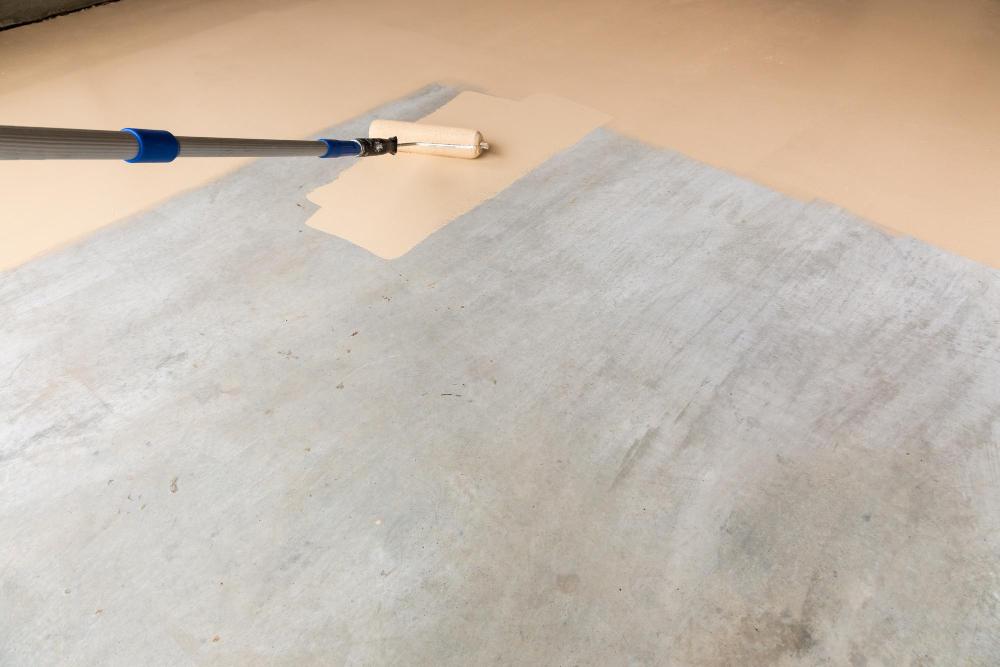
Maintaining a dry and safe storage facility can be a hefty challenge for business owners dealing with unpredictable tropical weather. This is why investing in quality epoxy floor coating, as waterproofing in the Philippines, is a smart move for protecting expensive inventory from the constant threat of ground moisture. It provides that seamless barrier that stops water from seeping through concrete slabs and damaging your assets.
What is Epoxy Floor Coating?
Epoxy is a specialized resurfacing material made from a mix of resin and hardening chemicals. When these two parts combine, they create a plastic-like surface that bonds tightly to the existing concrete floor of a warehouse. The result is a hard, durable layer that can withstand heavy machinery while remaining completely liquid-proof.
Why Do Warehouses Need Waterproofing?
Concrete is naturally porous, meaning it acts like a sponge that pulls moisture up from the soil underneath the building. Without a protective layer, this dampness can lead to mold growth on wooden pallets and rust on metal equipment or shelving. Waterproofing stops this capillary action, keeping the indoor environment dry and stable for sensitive goods.
Why is Humidity a Factor for Philippine Warehouses?
The high level of moisture in the air typically creates condensation, forming on cold concrete floors during the rainy season. This "sweating" effect creates slippery surfaces that pose a major safety risk for workers and forklift operators. An epoxy coating helps manage this moisture. Not to mention, it’s also much easier to dry and maintain.
Why Should You Choose Epoxy Over Regular Paint?
Standard floor paint is thin and can easily flake away when heavy pallets are dragged across the surface. Once the paint chips, water can enter the concrete and start to lift the rest of the coating from the bottom up. Epoxy is much thicker and stronger, providing a long-term solution that does not require frequent touch-ups or repairs.
How Does the Application Process Begin?
The first step involves a deep cleaning of the concrete to remove any old oils, dust, or previous coatings. Most professionals use a method called diamond grinding to roughen the surface so the epoxy can grab onto the floor more effectively. This preparation is the most important part of the job because a dirty floor will cause the coating to peel later on.
How is the Epoxy Mixed and Applied?
Workers carefully measure the resin and hardener to make sure the chemical reaction happens exactly as intended. Once mixed, the liquid is poured onto the floor and spread using squeegees and rollers to achieve an even thickness throughout the warehouse. The material remains workable for a short time, so the team needs to work quickly and efficiently to cover the entire area.
How Long Does the Curing Process Take?
Most epoxy floors need at least twenty-four hours of drying time before people can walk on them safely. For heavy warehouse traffic like forklifts and trucks, it is best to wait a full week for the chemicals to reach their maximum hardness. Rushing the process can lead to permanent tire marks or dents in the surface that ruin the waterproof seal.
How to Maintain an Epoxy Floor?
Cleaning a coated warehouse floor is simple because dirt and spills stay on top of the surface instead of soaking in. You only need a soft broom and a damp mop with a mild soap to keep the floor looking new and performing well. Avoiding harsh acidic cleaners will prevent the glossy finish from becoming dull or cloudy over time.
How to Handle Concrete Cracks Before Coating?
Any existing cracks or holes in the warehouse floor must be filled with a specialized epoxy filler before the main coat goes down. These gaps are prime spots for water to enter, so sealing them creates a truly continuous waterproof barrier across the entire room. Once the filler dries, it is sanded flat to make sure the final floor looks smooth and professional.
How Does Lighting Improve with Epoxy?
The glossy finish of a high-quality epoxy coating reflects light much better than dull, grey concrete. This extra brightness makes the warehouse safer for employees and reduces the need for expensive overhead lighting during the day. A brighter workspace also makes it easier to spot small spills or leaks before they become a bigger problem.
How to Choose the Right Color and Texture?
Warehouses often use different colors of epoxy to mark out safety zones, walking paths, or storage areas for specific items. You can also add slip-resistant grains to the wet epoxy to provide extra grip in areas that are prone to getting wet. This customization helps organize the workflow while keeping the entire facility protected from water damage.
When Should You Call a Professional Contractor?
Applying epoxy over a large warehouse area requires specialized equipment and a team that understands the local climate. Professionals can test the moisture levels in your concrete to determine if a moisture vapor barrier is needed before the topcoat. This expert assessment helps you avoid a failed application that could cost thousands of pesos to fix.
Key Takeaway
Protecting your warehouse from the elements starts with a floor that can resist constant moisture and heavy use. When you opt for high-quality epoxy coating as waterproofing in the Philippines, you’re preserving both your building and your products. Because this investment results in a cleaner, safer, and more efficient workspace that stands up to the toughest tropical conditions.

 English
 Arabic
 French
 Spanish
 Portuguese
 Deutsch
 Turkish
 Dutch
Dutch
 Italiano
 Romaian
 Portuguese (Brazil)
 Greek
Greek