


Why Retrofitting is Essential for Commercial Buildings
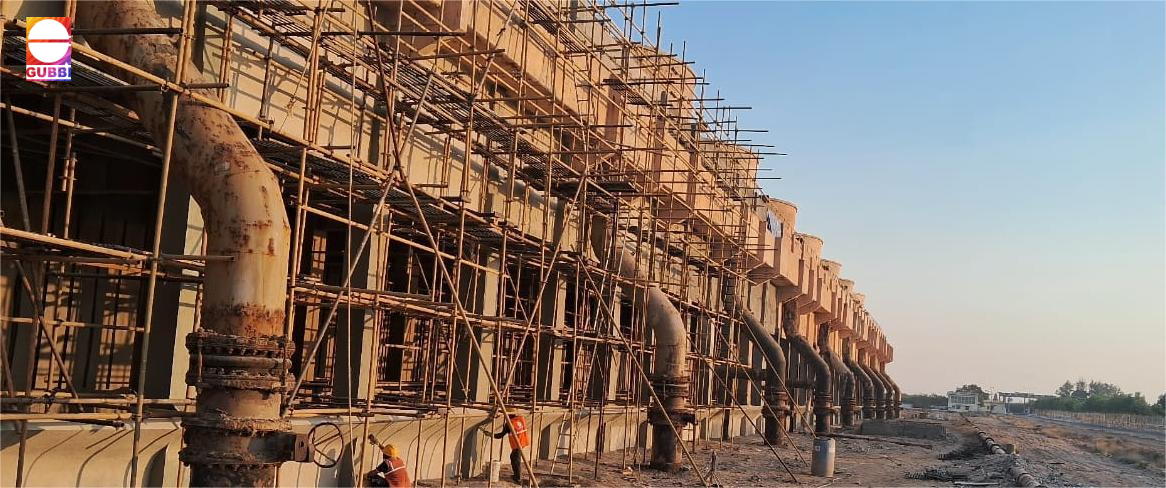
Modern buildings are expected to withstand increasing structural loads, environmental stress, ageing, and changing functional requirements. Many older structures begin showing signs of deterioration after years of exposure to moisture, corrosion, foundation settlement, seismic movement, or poor maintenance. In such situations, demolition is not always the best solution. Structural retrofitting and rehabilitation of structures provide a practical method to restore safety, improve strength, and extend the service life of buildings without complete reconstruction.
Understanding Structural Retrofitting
Structural retrofitting refers to the process of upgrading an existing structure to improve its load-carrying capacity, seismic resistance, durability, and overall performance. Buildings may require retrofitting because of ageing concrete, design deficiencies, increased usage loads, environmental damage, or construction defects. Instead of demolishing the structure, engineers strengthen the weak elements using advanced rehabilitation techniques designed for long-term structural safety and reliability.
The process involves detailed structural inspection, damage assessment, non-destructive testing, and engineering analysis before selecting the suitable strengthening method. Depending on the condition of the building, retrofitting may include concrete jacketing, steel reinforcement, epoxy injection, micro concrete repair, FRP wrapping, or foundation strengthening. The goal is to restore structural integrity while minimizing disruption to the occupants and maintaining the original functionality of the structure.
Why Buildings Require Retrofitting
Buildings naturally deteriorate over time because of environmental exposure, moisture penetration, corrosion of reinforcement steel, and repeated loading cycles. In many cases, structures constructed decades ago were not designed according to current seismic or safety standards. As urban development increases, many buildings are also subjected to additional floors, equipment loads, or modifications that exceed their original design capacity.
Visible cracks, concrete spalling, rust stains, slab deflection, and water leakage are early signs of structural distress. Ignoring these symptoms can lead to severe structural damage and expensive repairs later. Timely rehabilitation helps prevent structural failure and ensures occupant safety. Retrofitting is particularly important for industrial plants, parking structures, bridges, schools, hospitals, and high-rise residential buildings exposed to heavy usage and environmental wear.
Retrofitting of Column for Structural Stability
Columns are among the most critical structural members in any building because they transfer loads from slabs and beams directly to the foundation. When columns weaken due to corrosion, overloading, seismic activity, or poor construction practices, the overall stability of the structure becomes vulnerable. Retrofitting of columns is therefore one of the most effective ways to restore building safety and improve load-bearing performance.
Several advanced techniques are used for column strengthening based on the severity of damage and structural requirements. Reinforced concrete jacketing increases the cross-sectional area and enhances compressive strength. Steel jacketing improves confinement and ductility in heavily loaded columns. Carbon fiber wrapping provides high tensile strength without adding significant dead load. These methods improve structural durability while extending the service life of existing buildings effectively.
Concrete Jacketing in Structural Rehabilitation
Concrete jacketing is one of the most commonly used rehabilitation techniques for strengthening weak columns, beams, and structural walls. In this process, additional reinforcement steel and high-strength concrete are added around the existing member. This increases the structural capacity and improves resistance against axial loads, bending, and seismic forces. Concrete jacketing is widely used in residential, industrial, and commercial building retrofitting projects.
The method is highly effective for structures affected by corrosion, inadequate reinforcement detailing, or increased load requirements. Proper surface preparation, bonding agents, reinforcement anchoring, and quality concrete placement are essential for successful rehabilitation. Engineers also conduct load analysis to ensure compatibility between the old and new structural systems. With proper execution, concrete jacketing significantly improves the building’s strength, stiffness, and long-term structural performance.
Carbon Fiber Wrapping for Modern Retrofitting
Carbon Fiber Reinforced Polymer systems have transformed the field of structural strengthening because of their lightweight nature, high tensile strength, and corrosion resistance. Carbon fiber wrapping is commonly used for retrofitting columns, beams, slabs, and bridge components where additional strength is required without increasing the member size. The method is fast, efficient, and suitable for structures requiring minimal operational disruption during repair work.
The wrapping process involves surface preparation, epoxy bonding, and application of carbon fiber sheets around the structural member. These sheets improve confinement, shear resistance, and flexural capacity. Carbon fiber retrofitting is especially beneficial in seismic strengthening projects because it enhances ductility and energy absorption. It is widely preferred for industrial plants, parking structures, and commercial buildings where conventional strengthening methods may be difficult to implement efficiently.
Seismic Retrofitting for Earthquake Resistance
Seismic retrofitting is essential for buildings located in earthquake-prone regions. Older structures often lack modern seismic detailing, making them vulnerable during ground movement. Earthquake-resistant retrofitting improves the building’s ability to absorb seismic forces and prevents catastrophic structural failure. Strengthening techniques are selected after detailed structural analysis and seismic vulnerability assessment conducted by experienced structural engineers.
Common seismic retrofitting methods include shear wall addition, steel bracing systems, base isolation techniques, beam-column joint strengthening, and FRP wrapping. These methods enhance lateral stability and improve structural ductility during seismic events. Proper seismic rehabilitation not only protects human life but also reduces economic losses associated with building collapse. Many commercial and residential property owners now prioritize seismic strengthening as part of long-term infrastructure safety planning.
Importance of Structural Rehabilitation in Old Buildings
Many old buildings possess architectural, commercial, or historical importance, making demolition impractical or financially unfeasible. Structural rehabilitation helps restore deteriorated structures while preserving their functional and aesthetic value. Rehabilitation techniques address concrete damage, reinforcement corrosion, foundation settlement, water leakage, and structural instability. This process ensures that ageing buildings continue to remain safe and operational for many additional years.
Older structures often face challenges related to outdated construction materials and changing usage demands. Through detailed structural audits and rehabilitation planning, engineers identify weak structural elements and recommend suitable repair strategies. Rehabilitation not only improves safety but also enhances occupant comfort, durability, and overall building performance. Timely intervention prevents small structural defects from developing into major failures that could compromise the entire building system.
Benefits of Building Retrofitting
Buildings Retrofitting provides multiple technical and financial advantages compared to complete demolition and reconstruction. One of the biggest benefits is cost efficiency, as strengthening existing structures requires significantly less investment than building a new facility. Retrofitting also reduces construction waste and minimizes environmental impact, making it a sustainable solution for modern infrastructure management and urban development projects.
Another important advantage is reduced downtime during repair activities. Many retrofitting techniques can be executed while portions of the building remain operational. Structural strengthening also increases the building’s resale value and ensures compliance with updated safety regulations. Enhanced seismic resistance, improved durability, reduced maintenance expenses, and extended service life make retrofitting an ideal long-term investment for residential, industrial, and commercial property owners across various sectors.
Common Signs That a Building Needs Retrofitting
Many building owners fail to recognize the early warning signs of structural deterioration until severe damage becomes visible. Cracks in columns, beams, and slabs are among the most common indicators of distress. Uneven floors, sagging slabs, exposed reinforcement bars, rust stains, and water seepage often signal underlying structural issues that require immediate engineering evaluation and rehabilitation measures.
In industrial structures, excessive vibration, machinery load increases, and chemical exposure can also weaken structural components over time. Buildings located near coastal environments may experience accelerated reinforcement corrosion due to salt exposure. Conducting periodic structural audits and non-destructive testing helps detect hidden damage before it becomes dangerous. Early retrofitting intervention significantly reduces repair costs and prevents operational disruptions caused by severe structural failures.
Role of Professional Structural Engineers
Structural retrofitting requires technical expertise, precise calculations, and detailed execution planning. Professional structural engineers play a crucial role in identifying damage mechanisms, analyzing structural behavior, and selecting suitable strengthening techniques. Every building has unique structural characteristics, and improper retrofitting methods can lead to additional stress concentrations or ineffective repairs that compromise long-term performance.
Experienced engineering firms use advanced assessment methods including rebound hammer testing, ultrasonic pulse velocity testing, core testing, and structural modeling to evaluate existing conditions accurately. Reliable rehabilitation solutions are based on scientific analysis rather than temporary patchwork repairs. Many property owners trust experienced companies like Gubbi Civil Engineers Limited for specialized structural rehabilitation projects because of their expertise in strengthening aging and damaged concrete structures efficiently.
Future of Retrofitting and Rehabilitation
As urban infrastructure continues to age, the demand for structural retrofitting and rehabilitation services is expected to grow rapidly. Increasing awareness about earthquake safety, infrastructure sustainability, and long-term maintenance is driving property owners toward preventive strengthening solutions. Modern technologies such as fiber-reinforced polymers, self-healing materials, advanced structural monitoring systems, and high-performance repair mortars are improving rehabilitation efficiency significantly.
Government regulations and safety standards are also encouraging periodic structural audits and retrofitting of vulnerable buildings. Smart rehabilitation planning helps cities preserve existing infrastructure while reducing environmental impact associated with demolition waste. With advancements in engineering materials and construction technologies, retrofitting is becoming a more reliable, economical, and sustainable solution for maintaining safe and durable buildings in rapidly growing urban environments.
Retrofitting of columns, building strengthening, and structural rehabilitation are essential processes for ensuring the safety, stability, and durability of ageing structures. Whether the issue involves seismic vulnerability, concrete deterioration, overloading, or reinforcement corrosion, timely structural intervention can prevent serious damage and extend the building’s service life effectively. Modern retrofitting techniques offer cost-effective and sustainable alternatives to complete reconstruction.
From concrete jacketing and carbon fiber wrapping to seismic strengthening and corrosion repair, structural rehabilitation solutions are transforming the way engineers preserve infrastructure. Proper inspection, professional engineering analysis, and high-quality execution are critical for successful retrofitting outcomes. As infrastructure demands continue increasing, retrofitting will remain one of the most important engineering solutions for maintaining structurally safe, efficient, and long-lasting buildings.

 English
 Arabic
 French
 Spanish
 Portuguese
 Deutsch
 Turkish
 Dutch
Dutch
 Russian
 Romaian
 Portuguese (Brazil)
 Greek
Greek