A healthy lawn adds value to a property and improves outdoor comfort. Regular grass care also helps reduce weeds, dry patches, and uneven growth. Many homeowners struggle to keep their yards looking fresh throughout the year because weather and soil conditions can change often. With the right care plan, it becomes easier to maintain a green and balanced lawn in every season.
Why Routine Lawn Maintenance Matters
Grass needs regular attention to stay healthy. Skipping mowing, watering, or feeding can weaken the lawn over time. Thin grass allows weeds to spread faster and can lead to soil problems. Routine maintenance keeps the yard thick and attractive.
Healthy lawns also improve drainage. Strong roots help absorb water and reduce standing puddles after rain. A well-maintained yard can also create a better outdoor area for children, pets, and family gatherings. Consistent care prevents costly repairs later.
Mowing Practices That Support Lawn Growth
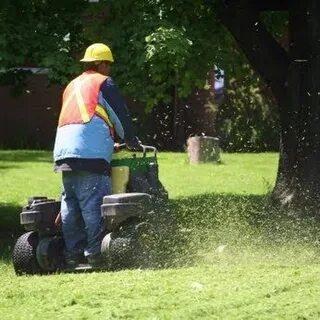
Mowing is one of the most important parts of yard maintenance. Cutting grass too short can damage the roots and dry out the soil. Keeping the correct mowing height helps the grass stay strong during hot weather.
Sharp mower blades also make a difference. Dull blades tear grass instead of cutting it cleanly. Torn grass may turn brown and become weak. It is helpful to mow on a regular schedule to avoid stressing the lawn.
Different grass types may need different mowing heights. Warm-season grasses often grow faster during the summer months. Adjusting mowing habits throughout the year can improve lawn appearance and growth.
Watering Methods for Better Results
Watering too much or too little can damage grass. Deep watering helps roots grow stronger below the surface. Shallow watering often causes weak roots and dry spots.
Early morning is usually the best time to water a lawn. Cooler temperatures reduce evaporation and allow the soil to absorb moisture. Evening watering may leave the lawn damp for too long and increase the chance of disease.
Rainfall should also be considered when setting a watering schedule. Overwatering can lead to fungus and muddy areas. Balanced watering keeps the lawn healthier and more durable.
Soil Health and Lawn Nutrition
Healthy soil supports healthy grass. Nutrients in the soil affect color, thickness, and growth. Lawns may become pale or weak when nutrients are missing.
Fertilizers help replace nutrients lost through mowing and weather changes. Applying the right fertilizer at the correct time supports lawn recovery and growth. Soil testing can also help identify nutrient problems before they become serious.
Aeration is another useful method for improving soil conditions. Small holes in the soil allow water, air, and nutrients to reach the roots more easily. This process can reduce soil compaction and encourage thicker grass.
Managing Weeds Before They Spread
Weeds compete with grass for sunlight, water, and nutrients. If left untreated, they can quickly take over large sections of a lawn. Prevention is often easier than removing established weeds later.
Proper mowing and watering can reduce weed growth naturally. Thick grass leaves less room for weeds to grow. Regular inspections also help identify weed problems early.
Many homeowners look for Weed Control Services when weeds become difficult to manage. Professional treatments can target unwanted growth while protecting healthy grass. Timely weed care helps maintain a cleaner and more even lawn.
Seasonal Lawn Care Adjustments
Every season brings different lawn care needs. Spring is often the time for fertilizing, aeration, and cleanup after winter weather. Summer may require extra watering and careful mowing because of heat stress.
Fall is important for strengthening the lawn before colder temperatures arrive. Overseeding during this season can improve lawn thickness. Winter care may include limiting foot traffic on frozen grass to avoid damage.
Changing maintenance habits throughout the year helps protect the lawn from stress. Seasonal adjustments also support steady growth and better long-term results.
Common Lawn Problems Homeowners Face
Brown patches are one of the most common lawn complaints. These areas may result from poor watering, pet damage, insects, or disease. Identifying the cause early helps prevent further damage.
Uneven grass growth can also affect lawn appearance. Soil quality, shade, and mowing patterns may contribute to this issue. Some lawns may need reseeding to restore balance.
Pests can also create serious lawn problems. Grubs and insects feed on grass roots and weaken the yard. Professional inspections can help detect pest activity before major damage occurs.
Benefits of Professional Lawn Support
Many homeowners have busy schedules and limited time for yard care. Professional lawn teams can handle mowing, fertilizing, watering plans, and treatment schedules. This saves time and helps maintain consistent results.
Experienced lawn specialists understand local soil and climate conditions. They can recommend treatments based on the specific needs of the property. Professional care may also reduce the risk of overwatering or fertilizer misuse.
Searching for Lawn Care Service near me often helps property owners find dependable local support for routine lawn maintenance. Reliable lawn services can improve the appearance and condition of outdoor spaces throughout the year.
Outdoor Appearance and Property Value
A clean lawn creates a strong first impression. Green grass and trimmed edges can improve the overall appearance of a property. Well-kept outdoor areas also make homes feel more inviting.
Property value may increase when landscaping is maintained properly. Buyers often notice the condition of the yard before viewing the inside of a home. Healthy lawns can help properties stand out in competitive markets.
Commercial properties also benefit from lawn maintenance. Clean outdoor areas create a more professional appearance for customers and visitors. Consistent care reflects positively on the property owner.
Eco-Friendly Lawn Care Habits
Environmentally friendly lawn care methods are becoming more popular. Using less water and avoiding unnecessary chemicals can reduce environmental impact. Composting grass clippings is one simple way to support healthier soil naturally.
Native grass types may also require less maintenance and watering. These grasses are often more resistant to local weather conditions. Choosing suitable grass varieties can lower maintenance needs over time.
Organic lawn products are another option for homeowners seeking safer treatments. These products may reduce exposure to harsh chemicals while supporting healthy grass growth. Sustainable lawn care practices can benefit both the yard and the environment.
Conclusion
Maintaining a healthy lawn takes regular effort throughout the year. Proper mowing, watering, soil care, and weed management all play a major role in keeping outdoor spaces attractive. Addressing lawn issues early can prevent long-term damage and improve overall property appearance.
For homeowners and property owners in Canyon Lake, TX, and nearby areas, Reagan Cattle Co Inc. provides dependable lawn maintenance solutions designed to keep yards healthy and well-managed in every season.




 English
 Arabic
 French
 Spanish
 Portuguese
 Deutsch
 Turkish
 Italiano
 Russian
 Romaian
 Portuguese (Brazil)
 Greek
Greek