


Duct Repairs: Complete Guide to Efficient HVAC Duct Maintenance and Fixes
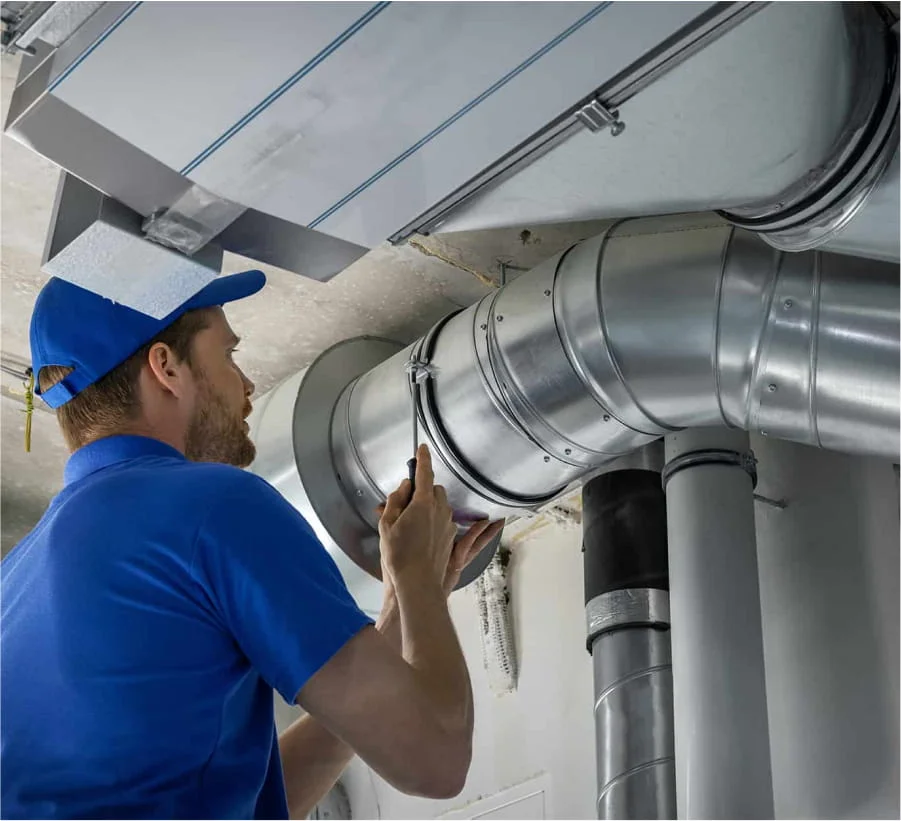
Your HVAC system relies on ductwork to distribute air efficiently. Over time, ducts can develop leaks, become disconnected, or accumulate dust and debris, leading to inefficient heating or cooling. Timely duct repairs ensure your system works optimally, keeps your energy bills low, and maintains indoor comfort.
This comprehensive guide covers common duct issues, repair methods, maintenance tips, cost expectations, and FAQs, giving homeowners the knowledge to make informed decisions.
Why Duct Repairs Are Important
-
Improved Energy Efficiency
Leaky ducts allow conditioned air to escape, forcing your HVAC system to work harder. Proper duct repairs help maintain airflow and reduce energy consumption. -
Enhanced Indoor Air Quality
Damaged ducts can let dust, allergens, and mold enter your living spaces. Repairing them ensures cleaner, healthier air throughout your home. -
Balanced Heating and Cooling
Faulty ducts can cause uneven temperatures in different rooms. Repairs restore proper airflow, ensuring comfort in every space. -
Reduced HVAC Wear and Tear
A well-maintained duct system reduces strain on your HVAC equipment, extending its lifespan and reducing repair costs
Common Duct Problems That Require Repair
1. Leaks and Holes
Leaks in ducts reduce system efficiency and increase energy bills. Common causes include poor installation, wear and tear, or accidental damage.
2. Disconnected Duct Sections
Sections of ductwork can come apart over time, leading to significant air loss and uneven heating or cooling.
3. Blockages and Obstructions
Dust, debris, and even small animals can block ducts, reducing airflow and causing system strain.
4. Rust and Corrosion
Metal ducts are prone to rust in humid environments, leading to leaks and structural weakness.
5. Poor Insulation
Insufficient insulation on ducts, especially in unconditioned spaces, can cause temperature loss and energy waste.
6. Noisy Ductwork
Loose or damaged ducts can rattle or create whistling sounds when air moves through the system.
Signs You Need Duct Repairs
-
Uneven heating or cooling in different rooms
-
Increased energy bills despite normal usage
-
Dust accumulation or unexplained allergens
-
Visible holes, rust, or disconnected ducts
-
Strange noises from vents or duct runs
-
Weak airflow or low pressure
Identifying these signs early can prevent bigger problems and costly HVAC repairs.
DIY vs Professional Duct Repairs
DIY Duct Repairs
Small leaks, minor disconnections, or loose insulation can sometimes be repaired at home using:
-
Foil HVAC tape
-
Mastic sealant
-
Duct clamps or straps
-
Replacement insulation
Tips for DIY:
-
Turn off the HVAC system before working
-
Wear protective gear for dust and debris
-
Avoid standard duct tape — it loses adhesion over time
Professional Duct Repairs
Complex problems such as extensive leaks, rusted metal, or inaccessible ductwork require professional expertise. Licensed technicians can:
-
Conduct detailed duct inspections
-
Identify hidden leaks with pressure testing or smoke tests
-
Perform repairs with long-lasting materials
-
Balance airflow and system efficiency
Step-by-Step Guide to Common Duct Repairs
1. Identify the Problem
Check all duct sections for visible damage, leaks, or loose connections. Listen for unusual sounds and feel for cold or warm spots.
2. Clean the Ducts
Before sealing, clean the ducts to remove dust and debris. This ensures the repair material adheres properly.
3. Seal Small Leaks
Use mastic sealant or foil HVAC tape to cover holes and cracks. Ensure an airtight seal around all joints.
4. Reconnect Disconnected Ducts
Secure loose sections with sheet metal screws, straps, or metal tape. Insulate exposed areas to prevent energy loss.
5. Replace Damaged Sections
For rusted or broken duct segments, cut out the damaged section and replace it with a new piece of matching ductwork. Seal and insulate the joints properly.
6. Test the System
Turn the HVAC system back on and check airflow, temperature consistency, and sound. Adjust if necessary.
Materials and Tools Needed for Duct Repairs
-
Foil HVAC tape (UL 181 rated)
-
Mastic sealant and brush
-
Sheet metal screws and drill
-
Replacement duct sections
-
Insulation wraps
-
Gloves, dust mask, and safety glasses
-
Measuring tape and duct cutter
Having the right tools ensures a secure and long-lasting repair.
Costs of Duct Repairs
Costs vary depending on the extent of the damage and the materials used. Typical ranges include:
|
Repair Type |
Estimated Cost (USD) |
|
Small leaks & sealing |
$100 – $300 |
|
Duct insulation repair |
$150 – $500 |
|
Moderate leaks or re-connection |
$200 – $800 |
|
Major replacement sections |
$500 – $2,000+ |
|
Professional inspection & cleaning |
$200 – $600 |
DIY repairs reduce costs but may not fix underlying problems or ensure system efficiency
Maintenance Tips to Avoid Frequent Duct Repairs
-
Regular Inspection
Check ducts at least once a year for signs of wear, leaks, or damage. -
Clean Filters and Ducts
Replace HVAC filters every 1–3 months and schedule professional duct cleaning every 3–5 years. -
Seal and Insulate
Properly seal joints and insulate ducts in unconditioned areas to prevent energy loss. -
Avoid Physical Damage
Keep heavy objects and storage away from exposed ductwork to avoid dents and disconnections. -
Monitor System Performance
Unusual noises, fluctuating temperatures, or increased energy bills can indicate duct issues early.
Environmental and Energy Benefits of Duct Repairs
-
Reduced energy waste and lower utility bills
-
Less strain on HVAC systems, extending lifespan
-
Improved indoor air quality
-
Lower carbon footprint due to efficient heating and cooling
FAQs About Duct Repairs
Q1: How often should ducts be inspected?
A1: At least once a year, especially before peak heating or cooling seasons.
Q2: Can I repair ducts myself?
A2: Small leaks and minor insulation issues can be DIY fixes, but major problems require professional service.
Q3: What is the difference between foil tape and duct tape?
A3: Foil HVAC tape is UL 181 rated and heat-resistant, suitable for ducts; regular duct tape degrades over time and should not be used.
Q4: How do I know if my ducts have leaks?
A4: Signs include uneven airflow, higher energy bills, dust accumulation, and cold/hot spots. Professionals can also perform pressure tests.
Q5: How much does duct repair cost?
A5: Minor repairs start around $100, while major replacements can exceed $2,000 depending on damage and system size.
Q6: Can duct repairs improve HVAC efficiency?
A6: Yes. Properly sealed and insulated ducts reduce energy loss and improve heating and cooling performance.
Q7: Is duct cleaning necessary before repair?
A7: Yes, cleaning removes debris that can interfere with sealants and ensures better airflow after repair.
Conclusion
Duct repairs are a crucial aspect of maintaining an efficient, healthy, and comfortable HVAC system. By addressing leaks, blockages, disconnections, and insulation issues promptly, homeowners can save on energy bills, improve indoor air quality, and extend the life of their HVAC system. Whether you choose DIY solutions for minor issues or hire a professional for comprehensive repairs, understanding duct repairs ensures your system operates at peak performance year-round.

 English
 Arabic
 French
 Spanish
 Portuguese
 Deutsch
 Turkish
 Dutch
Dutch
 Italiano
 Russian
 Romaian
 Greek
Greek