


How Embroidery Digitizing Transforms Artwork into Perfect Stitches
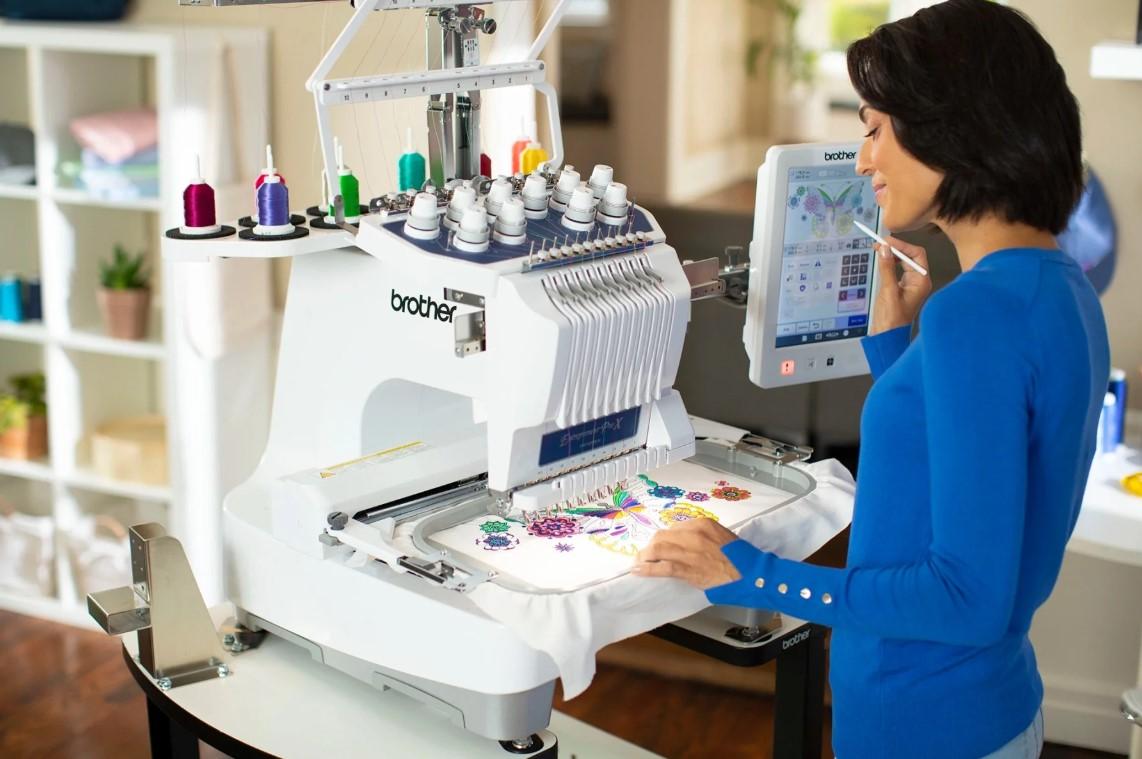
Turning a beautiful digital design or hand-drawn logo into actual embroidery that looks crisp and professional on fabric is genuinely exciting. Embroidery digitizing makes this magic happen by converting your artwork into detailed stitch instructions that machines can follow perfectly. Without it, even the best-looking image can result in puckered fabric, broken threads, or disappointing coverage.
Embroidery digitizing acts as the crucial bridge between creative ideas and high-quality finished products. It takes flat artwork and builds a smart roadmap of stitches, densities, directions, and color changes so every needle movement creates clean, durable, and eye-catching results. Whether you work with apparel brands, custom gifts, or personal projects, understanding this process helps you appreciate why some embroidery looks premium while other pieces fall flat.
What Embroidery Digitizing Actually Is
Embroidery digitizing is the art and science of transforming images, logos, or illustrations into stitch data files. Digitizers use specialized software to plot every single stitch by hand or with smart assistance. They decide the type of stitch, its length, angle, density, and order so the final embroidery matches the original vision while working well with real fabric and thread.
This process goes far beyond simple tracing. Good digitizing accounts for how different fabrics stretch, how threads pull and interact, and how the design will look when viewed from a normal distance. It respects the physical limitations of embroidery while pushing creative boundaries to produce outstanding results.
The Step-by-Step Transformation Process
The journey begins with strong source artwork. High-resolution images with clean lines and good contrast give digitizers the best foundation. Once the design is ready, the process moves through several important stages.
First comes the underlay. This hidden foundation layer stabilizes the fabric and creates a smooth base for visible stitches. Different designs and materials need different underlay patterns — some use grid styles, others edge walks or zigzags. A solid underlay prevents distortion and helps the design sit beautifully on the garment.
Next, digitizers add outline stitches, often using satin stitches for smooth, glossy borders and lettering. They carefully adjust width and spacing so text remains readable and shapes stay crisp. For larger areas, fill stitches like tatami or patterned fills provide solid coverage while allowing breathability and flexibility.
Throughout the process, experts apply pull compensation to counteract the natural movement of fabric and thread tension. This adjustment keeps circles round, letters properly shaped, and overall designs true to the original artwork.
Key Decisions That Determine Stitch Quality
Digitizing involves hundreds of small but important choices. Stitch density controls how heavy or light the embroidery feels. Too much density creates stiff, puckered results. Too little leaves thin, patchy areas. Skilled digitizers find the sweet spot that delivers rich coverage while keeping the garment comfortable.
Stitch direction and angle also play a big role. Varying angles in fill areas prevents unwanted fabric pull and adds subtle visual texture. Color sequencing helps minimize thread jumps and trims, making production more efficient and reducing loose threads.
For lettering, digitizers pay special attention to column width and connections between letters. Small adjustments here make the difference between readable professional text and muddy, filled-in letters.
How Digitizing Improves Precision and Durability
Professional embroidery digitizing creates consistency that manual methods simply cannot match. Every stitch follows a precise plan, resulting in sharp edges, balanced coverage, and excellent registration between colors. This precision makes logos look clean and professional from every angle.
Durability gets a major boost too. Well-digitized designs hold up through repeated washing and normal wear because the stitches are properly anchored and balanced. Underlay works with the top stitches instead of against them, reducing the chance of threads breaking or designs cracking over time.
The right digitizing also prevents common problems like birdnesting, thread breaks during production, and fabric distortion. Machines run smoother, which means fewer interruptions and higher quality output.
Adapting Designs for Different Fabrics and Products
One of the most valuable aspects of embroidery digitizing is its ability to adapt to real-world materials. A design digitized for a heavyweight hoodie needs different settings than one meant for lightweight performance shirts or textured caps. Experienced digitizers adjust density, underlay, and compensation based on fabric stretch, thickness, and surface texture.
This customization ensures the embroidery enhances the garment rather than fighting it. On stretchy knits, flexible underlays keep designs stable without restricting movement. On sturdy twill, firmer settings create bold, structured results that hold their shape.
The same principle applies to product types. A left-chest logo requires different considerations than a large back design or a small name on a cap. Good digitizing makes each application look intentional and perfectly suited to its purpose.
Creative Opportunities Through Smart Digitizing
Far from limiting creativity, quality embroidery digitizing actually expands it. Digitizers can create beautiful textures, gradients, and layered effects that add depth and interest to designs. Techniques like 3D puff embroidery become reliable when properly digitized.
Brands gain freedom to use more colors, finer details, or complex illustrations while still achieving excellent stitch quality. This flexibility allows for truly unique pieces that stand out in competitive markets and create strong emotional connections with customers.
Common Challenges and Smart Solutions
Even with great digitizing, challenges can appear. Highly detailed artwork sometimes needs simplification to work well at embroidery sizes. Tiny elements that look sharp on screen can blur when stitched small. Skilled digitizers know when and how to simplify while preserving the design’s spirit.
Color limitations also require creative thinking. While digital art supports millions of colors, embroidery works best with thoughtful palettes. Good digitizing balances visual impact with practical production needs.
Testing remains the best way to overcome challenges. Physical samples on actual fabric reveal issues that digital previews might miss. Multiple rounds of review and adjustment lead to outstanding final results.
Tips for Getting the Best Results
Start with clean, high-resolution artwork. Provide clear information about intended fabric, garment type, and final size. The more details you share, the better the digitizing team can tailor the file to your needs.
Request stitch simulations and physical samples before full production. These checkpoints catch potential issues early and save time and materials in the long run. Be open to suggestions — experienced digitizers often spot opportunities to improve readability or efficiency.
Think long-term. Create versatile files that work across multiple sizes and products so you can reuse them efficiently for future collections or orders.
The Impact on Modern Custom Branding
In today’s market, quality embroidery helps brands stand out and justify premium pricing. Professional embroidery digitizing delivers the consistency and polish that customers notice and remember. It turns basic garments into powerful brand ambassadors that people actually want to wear.
As personalization trends grow, digitizing becomes even more valuable. The ability to quickly adapt designs for individual names, special editions, or regional variations gives brands a real competitive edge while maintaining high quality standards.
Embroidery digitizing transforms good artwork into perfect stitches by combining technical precision with creative understanding. It respects both the artistic vision and the physical realities of fabric and thread, resulting in beautiful, durable embroidery that elevates any product.
Whether you are launching a new apparel line, creating custom team gear, or producing promotional items, investing in quality digitizing pays off through superior results and satisfied customers. The process may happen behind the scenes, but its impact shows clearly in every well-stitched piece.
Take time to prepare strong designs and work with professionals who truly understand embroidery digitizing. Your artwork deserves to shine in thread, and the right approach ensures it does exactly that — beautifully, consistently, and impressively.
The next time you see a crisp, vibrant embroidered logo that feels just right, remember the careful digitizing work that made it possible. That transformation from pixels to perfect stitches is what turns ordinary items into treasured favorites.

 English
 Arabic
 French
 Portuguese
 Deutsch
 Turkish
 Dutch
Dutch
 Italiano
 Russian
 Romaian
 Portuguese (Brazil)
 Greek
Greek