


How SAP Business Technology Platform Simplifies Complex SAP Integration Scenarios

Introduction to SAP Integration Challenges
Let’s be honest, enterprise systems today are like a tangled web. Businesses use multiple applications, cloud platforms, on-premise systems, and third-party tools. Connecting all of them smoothly? That’s where SAP Integration becomes both critical and complicated.
The Growing Complexity of Enterprise Systems
Organizations no longer rely on a single ERP. They operate with CRM tools, HR systems, analytics platforms, supply chain software, and more. Each system generates valuable data.
Why Traditional Integration Methods Fall Short
Point-to-point traditional architecture tends to work in the beginning, but as things evolve these solutions become very brittle and difficult to maintain. Any minor change you make could potentially cause your entire system to fail. It’s like constructing a house of cards — cool to look at, but very easy to knock down.
What is SAP Business Technology Platform?
SAP Business Technology Platform (SAP BTP) is an all-in-one space that combines a variety of features, including: data management, analytics, application development, and integration. It serves as a digital foundation for contemporary businesses.
Core Components of SAP BTP
SAP BTP includes database services, analytics tools, application development environments, and most importantly, integration capabilities that simplify connectivity across systems.
Role of SAP Integration Suite
Within SAP BTP, the Integration Suite plays a central role. It offers tools like API management, cloud integration, and event mesh. Instead of building custom connectors from scratch, businesses can leverage ready-to-use integration content.
Understanding SAP Integration in Modern Enterprises
Today’s integration landscape isn’t just about connecting two systems. It’s about managing entire ecosystems.
Cloud-to-Cloud Integration
Companies often use multiple cloud platforms. SAP BTP enables seamless cloud-to-cloud integration without heavy coding. This ensures data flows smoothly between SaaS applications.
On-Premise to Cloud Connectivity
Many enterprises still rely on legacy on-premise systems. SAP BTP bridges the gap between old infrastructure and modern cloud solutions securely.
Hybrid Landscape Management
Most businesses operate in hybrid environments. SAP BTP provides centralized monitoring and governance, making complex integration manageable and transparent.
Key Features That Simplify SAP Integration
Prebuilt Integration Content
Why reinvent the wheel? SAP BTP offers prepackaged integration flows for popular SAP and non-SAP applications. This accelerates deployment and reduces technical effort.
API Management Capabilities
APIs are like digital messengers. SAP BTP allows organizations to create, manage, and secure APIs efficiently, ensuring reliable communication between systems.
Event-Driven Architecture
Instead of waiting for scheduled data transfers, event-driven integration reacts in real time. When something changes in one system, others update instantly.
Low-Code and No-Code Tools
Not every integration should require deep coding expertise. SAP BTP provides intuitive interfaces that allow faster configuration, empowering business users and developers alike.
Real-World SAP Integration Scenarios
Integrating SAP S/4HANA with Third-Party Applications
Businesses often connect SAP S/4HANA with CRM, eCommerce, or logistics platforms. SAP BTP ensures smooth data exchange without disrupting operations.
Data Synchronization Across Departments
Finance, HR, and supply chain teams need consistent data. Integration ensures everyone works with the same real-time information.
Automating Business Processes
Manual data entry wastes time and increases errors. With proper integration, workflows become automated, efficient, and accurate.
Benefits of Using SAP Business Technology Platform
Reduced Complexity
Instead of managing dozens of connections separately, SAP Business Technology Platform centralizes integration.
Faster Deployment
Prebuilt connectors and templates accelerate project timelines.
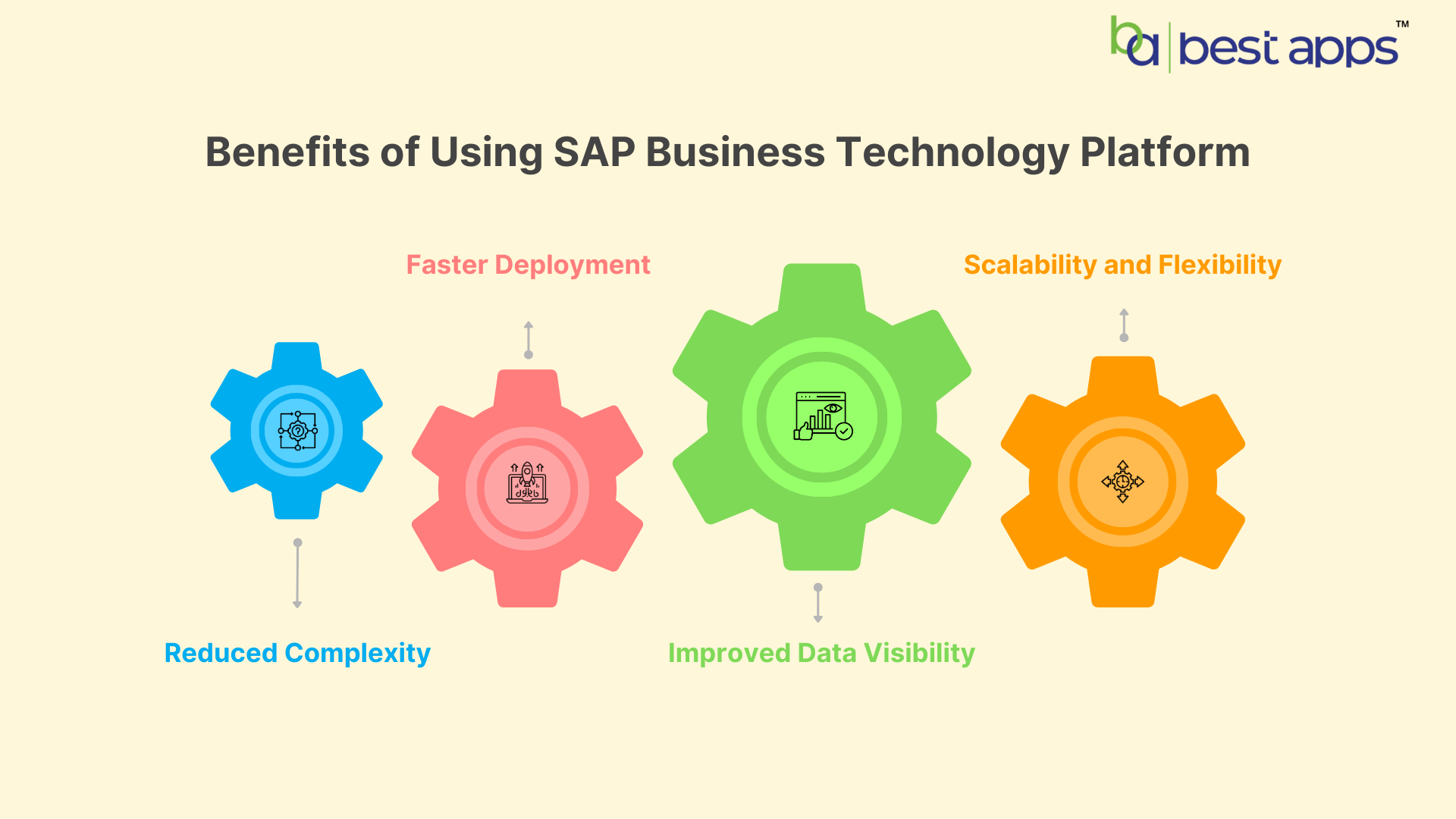
Improved Data Visibility
Integrated systems provide unified reporting and analytics.
Scalability and Flexibility
As businesses grow, SAP BTP scales effortlessly—supporting new applications and integrations.
Best Practices for Successful SAP Integration
Start with a clear integration strategy. Identify business-critical systems first. Use prebuilt content where possible. Monitor integrations continuously. And most importantly, align integration goals with business outcomes not just technical objectives.
Conclusion
Complex SAP integration scenarios don’t have to feel overwhelming. With SAP Business Technology Platform, organizations gain a structured, scalable, and intelligent approach to connecting their digital ecosystem. Instead of juggling disconnected systems, businesses create a unified landscape where data flows freely, processes run smoothly, and growth becomes sustainable. In today’s fast-moving digital world, simplified integration isn’t just helpful, it’s essential.
For More Information:
Why Businesses Choose SAP Analytics Cloud for Smarter SAP Business Solutions
Why SAP S4 HANA Requires Strong SAP Support for Long-Term Success
How OpenText Services Empower Top IT Solution Providers to Deliver Enterprise Success

 English
 French
 Spanish
 Portuguese
 Deutsch
 Turkish
 Dutch
Dutch
 Italiano
 Russian
 Romaian
 Portuguese (Brazil)
 Greek
Greek