


Brainspotting and Somatic Therapy: Healing Trauma Through Mind-Body Connection
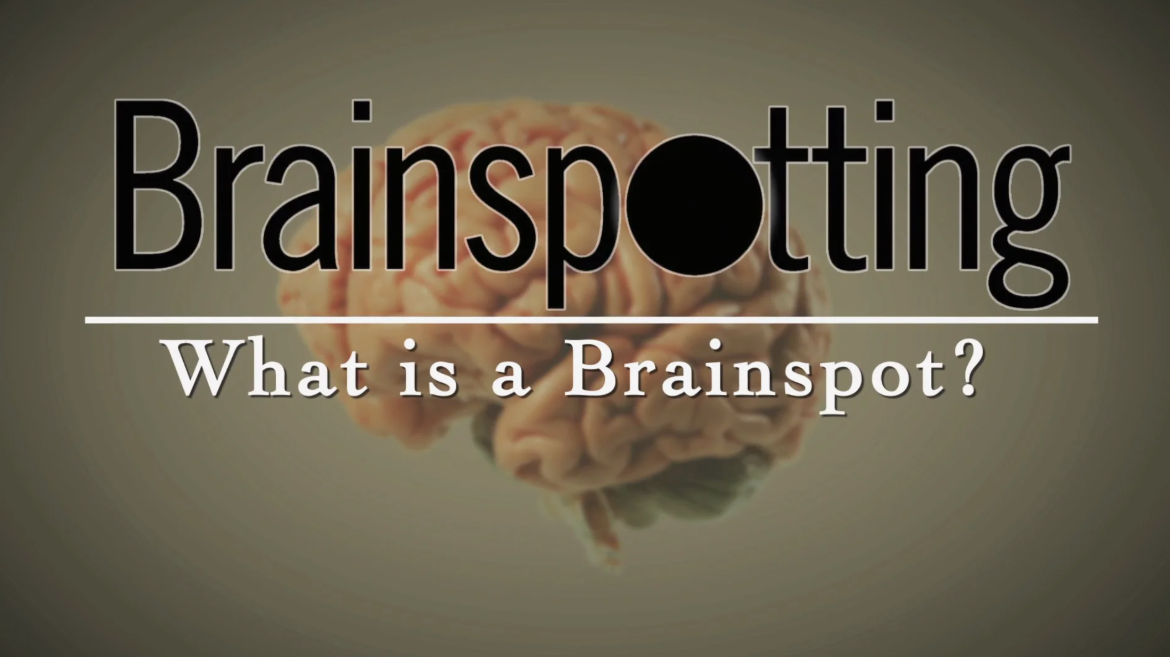
Brainspotting and Somatic Therapy are two modern, body-centered approaches to mental health treatment that focus on the deep connection between the mind and the body. Unlike traditional talk therapy, which primarily emphasizes thoughts and verbal processing, these methods work with the nervous system, emotions stored in the body, and unconscious patterns that often cannot be fully accessed through conversation alone.
As interest in trauma-informed care grows, both Brainspotting and Somatic Therapy have gained attention for their ability to help people process difficult experiences such as anxiety, PTSD, chronic stress, and emotional dysregulation. While they differ in technique, they share a central belief: psychological healing is incomplete without engaging the body.
Understanding the Mind-Body Connection in Therapy
Modern neuroscience supports the idea that emotional experiences are not only “thoughts in the mind” but also physiological events stored throughout the nervous system. When a person experiences trauma, the body often enters survival states such as fight, flight, or freeze. If those responses are not fully processed, they can become “stuck,” leading to symptoms like panic attacks, muscle tension, emotional numbness, or chronic anxiety.
Both Brainspotting and Somatic Therapy are designed to access and release these stored survival responses. Rather than focusing only on recounting events, they guide individuals to notice what is happening inside their bodies and allow the nervous system to complete interrupted stress cycles.
What Is Brainspotting?
Brainspotting is a therapeutic approach developed in 2003 by psychotherapist David Grand. It is based on the idea that where a person looks affects how they feel. The method uses specific eye positions—called “brainspots”—to access unprocessed trauma in the subcortical brain.
During a Brainspotting session, a therapist helps a client locate an eye position that activates emotional or physical sensations connected to a distressing memory or feeling. Once identified, the client maintains focus on that spot while noticing internal experiences such as tension, emotion, or body sensations.
The theory behind Brainspotting suggests that these eye positions correlate with activity in deeper brain regions involved in emotion and trauma storage, such as the amygdala and midbrain structures. By maintaining focus, the brain is believed to naturally process and release unresolved material.
Key features of Brainspotting include:
- Minimal verbal discussion compared to traditional therapy
- Use of eye position to access emotional material
- Deep focus on internal bodily and emotional experiences
- Emphasis on the client’s natural healing capacity
Brainspotting is often used for trauma, anxiety, performance blocks (such as in athletes or artists), and emotional overwhelm.
What Is Somatic Therapy?
Somatic Therapy is an umbrella term for therapeutic approaches that focus on the body as a primary pathway for healing psychological distress. The word “somatic” refers to the body, and this approach is grounded in the idea that trauma is stored not just in memory but in physical sensation and nervous system patterns.
Somatic Therapy can include various techniques such as:
- Body awareness exercises
- Breathwork and grounding practices
- Movement and posture exploration
- Titration (processing trauma in small, manageable amounts)
- Pendulation (moving between comfort and discomfort safely)
A core goal of Somatic Therapy is to help individuals reconnect with bodily sensations in a safe and controlled way. Many people who have experienced trauma disconnect from their bodies as a form of protection. Somatic Therapy gently restores this connection so that the nervous system can regulate itself more effectively.
Unlike purely cognitive approaches, Somatic Therapy does not treat emotions as abstract ideas. Instead, it views emotions as physical experiences that can be observed, felt, and released.
Key Differences Between Brainspotting and Somatic Therapy
While Brainspotting and Somatic Therapy share common foundations in trauma-informed care, they differ in their techniques and focus.
1. Method of Accessing Trauma
- Brainspotting uses eye position and visual focus to access stored emotional material.
- Somatic Therapy uses body awareness, movement, and sensation tracking.
2. Level of Structure
- Brainspotting is more structured, often guided by the therapist’s identification of “brainspots.”
- Somatic Therapy is more flexible and may vary widely depending on the practitioner.
3. Role of Awareness
- Brainspotting emphasizes sustained visual focus while processing internal experiences.
- Somatic Therapy emphasizes shifting attention between bodily sensations and emotional states.
4. Verbal Processing
- Brainspotting typically involves less verbal discussion.
- Somatic Therapy may include more dialogue but still prioritizes bodily awareness.
Despite these differences, both approaches aim to help the nervous system complete unfinished emotional responses and restore balance.
How These Therapies Support Trauma Healing
Trauma is not only a psychological event—it is a physiological imprint. When someone experiences overwhelming stress, the body may not complete its natural response cycle. This can leave the nervous system in a prolonged state of alertness or shutdown.
Both Brainspotting and Somatic Therapy help address this by:
- Increasing awareness of bodily sensations
- Allowing suppressed emotions to surface safely
- Supporting nervous system regulation
- Reducing hyperarousal (anxiety, panic)
- Reducing hypoarousal (numbness, dissociation)
Over time, individuals often report feeling more grounded, emotionally stable, and connected to themselves. These therapies can also improve resilience, meaning the body becomes better at recovering from stress in the future.
Who Can Benefit From These Approaches?
These methods are often used for individuals experiencing:
- Post-traumatic stress disorder (PTSD)
- Generalized anxiety
- Chronic stress or burnout
- Emotional dysregulation
- Grief and loss
- Performance anxiety (athletes, performers, professionals)
They can also be helpful for people who feel stuck in traditional talk therapy or who struggle to verbalize their emotions.
However, because both approaches can bring up strong emotional and physical responses, they are typically conducted with trained professionals who can ensure safety and stabilization throughout the process.
Limitations and Considerations
While promising, Brainspotting and Somatic Therapy are not “quick fixes.” Trauma healing is often gradual and nonlinear. Some individuals may experience emotional discomfort as buried material surfaces.
It is also important to note that research on Brainspotting, while growing, is still less extensive than more established therapies like Cognitive Behavioral Therapy (CBT). Somatic Therapy, as a broad category, includes many methods with varying levels of scientific validation.
Because of this, these approaches are often used as part of an integrative treatment plan rather than a standalone solution.
Conclusion
Brainspotting and Somatic Therapy represent a shift in modern mental health care toward understanding the body as an essential part of emotional healing. By working with physical sensations, nervous system responses, and deep brain processes, these therapies aim to address trauma at its roots rather than only its surface symptoms.
As awareness of mind-body integration continues to grow, these approaches are likely to play an increasingly important role in helping individuals recover from trauma, reduce anxiety, and build greater emotional resilience.

 English
 Arabic
 French
 Portuguese
 Deutsch
 Turkish
 Dutch
Dutch
 Italiano
 Russian
 Romaian
 Portuguese (Brazil)
 Greek
Greek